


Strom Chemisch Speichern: The Key to Unlocking a Flexible and Renewable Energy Future
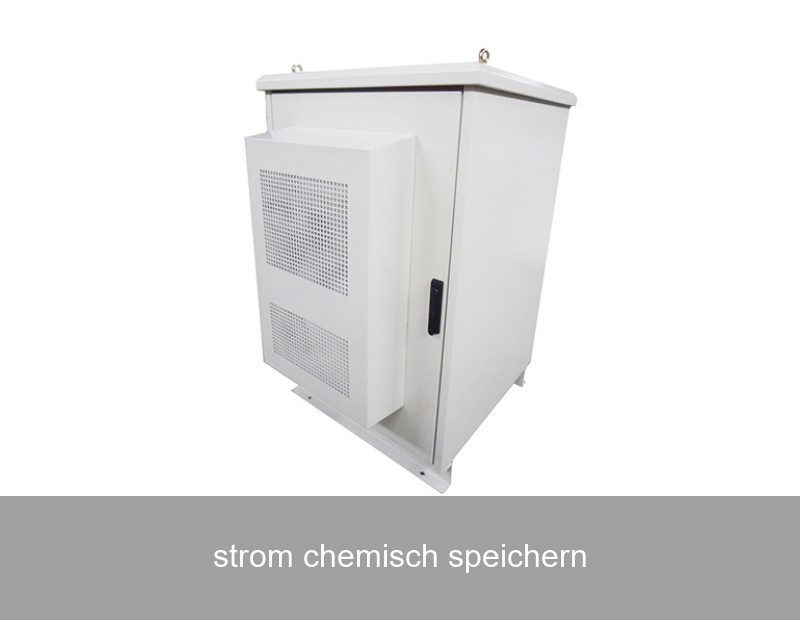
Imagine a world where the sun doesn't shine for days, or the wind simply stops blowing. For our modern grids powered increasingly by renewables, this isn't a dystopian fantasy—it's a daily operational challenge. The solution to this intermittency lies in one powerful concept: strom chemisch speichern, or storing electricity through chemical means. This technology is the cornerstone of the energy transition, allowing us to capture surplus green energy and release it precisely when needed. As a global leader in advanced energy storage, Highjoule has been at the forefront of transforming this chemical potential into reliable, grid-stabilizing power since 2005.
Table of Contents
- What is Chemical Energy Storage?
- The Grid Challenge: Why We Can't Rely on Sunshine Alone
- Battery Breakdown: The Workhorses of Chemical Storage
- Beyond Lithium-Ion: The Future of Long-Duration Storage
- Highjoule's Intelligent Solutions for Every Sector
- Real-World Impact: A Case Study from Germany
- Making the Choice: Is Chemical Storage Right for Your Project?
What is Chemical Energy Storage?
At its core, strom chemisch speichern refers to technologies that convert electrical energy into chemical energy, store it, and then reconvert it back to electricity on demand. It's a sophisticated version of the simple battery in your remote control, scaled up to power homes, factories, and even entire communities. The most prevalent form today is the lithium-ion battery, but the chemical storage family is diverse, including flow batteries, hydrogen electrolysis, and even advanced lead-carbon systems. The principle remains constant: using reversible chemical reactions to manage the ebb and flow of electrical power, making renewable energy sources like solar and wind truly dispatchable.
The Grid Challenge: Why We Can't Rely on Sunshine Alone
Let's look at the data. In 2023, renewables generated over 30% of global electricity, a record high. However, this success creates a new problem: volatility. On a bright, windy afternoon in California or Northern Germany, solar and wind farms can produce more electricity than the grid can immediately consume. Conversely, on a calm, cloudy evening, generation can plummet just as demand peaks. This mismatch leads to grid instability, price spikes, and, paradoxically, the curtailment (wasting) of clean energy. The phenomenon is clear: without storage, a high-renewables grid is like a car with an accelerator but no brakes or gears.
The Data Behind the Demand
| Challenge | Impact Without Storage | How Chemical Storage Helps |
|---|---|---|
| Renewable Overgeneration | Curtailment of clean energy; lost revenue | Captures excess for later use, maximizing ROI |
| Evening Demand Peak | Reliance on fossil-fuel "peaker" plants | Dispatches stored clean energy, reducing emissions |
| Grid Frequency Fluctuations | Risk of blackouts; equipment damage | Provides millisecond-response frequency regulation |
Battery Breakdown: The Workhorses of Chemical Storage
When people think of strom chemisch speichern, lithium-ion batteries are often the first image that comes to mind. And for good reason. Their high energy density, falling costs, and efficiency make them ideal for a wide range of applications. But it's not just about the battery cells themselves; it's about the intelligent system that manages them. A modern Battery Energy Storage System (BESS) is an integrated marvel of power conversion, thermal management, and, most critically, sophisticated software.
This is where Highjoule's expertise shines. Our GridSynergy commercial & industrial and HomePower residential systems aren't just boxes of batteries. They are AI-driven energy platforms. Our proprietary energy management system (EMS) constantly analyzes weather forecasts, electricity tariffs, and consumption patterns to autonomously decide when to store, when to discharge, and when to provide grid services. This intelligence turns a simple storage asset into a strategic financial and operational tool.

Image Source: Unsplash - Professional monitoring is key to safe and efficient chemical storage operation.
Beyond Lithium-Ion: The Future of Long-Duration Storage
While lithium-ion dominates for short to medium duration (2-8 hours), the quest for affordable long-duration storage (10+ hours to seasonal) is driving innovation in other chemical pathways. Two promising technologies are:
- Flow Batteries (e.g., Vanadium Redox): These store energy in liquid electrolytes held in external tanks. Their power and energy ratings are decoupled, meaning you can easily scale storage duration by simply using larger tanks. They offer exceptional cycle life and are inherently safe from thermal runaway, making them suitable for large-scale, stationary grid applications.
- Power-to-Gas (Hydrogen): This is the ultimate form of strom chemisch speichern for seasonal storage. Excess electricity is used to split water into hydrogen and oxygen via electrolysis. The hydrogen can then be stored underground for months and later used in fuel cells to generate electricity or fed into industrial processes. The European Union's hydrogen strategy highlights its critical role in decarbonizing sectors beyond power.
Highjoule's Intelligent Solutions for Every Sector
At Highjoule, we don't believe in a one-size-fits-all approach. The optimal chemical storage solution depends entirely on the application's specific needs for power, duration, footprint, and budget. Our portfolio is designed to meet this spectrum:
- For Homes & Communities (Residential/Commercial): Our HomePower Stack series provides seamless integration with rooftop solar. It empowers homeowners to achieve up to 80% energy independence, protect against outages, and reduce bills through intelligent time-of-use optimization.
- For Businesses & Industry (C&I): The GridSynergy Modular platform is our flagship C&I solution. It helps factories, data centers, and office parks manage demand charges, provide backup power, and participate in grid-balancing programs, often paying for itself within a few years.
- For Utilities & Developers (Grid-Scale): Our UtilityCore systems are engineered for the most demanding applications. These turnkey solutions provide frequency regulation, renewable firming, and transmission deferral, acting as a flexible and non-wires alternative to traditional grid upgrades.
Real-World Impact: A Case Study from Germany
Let's move from theory to practice with a concrete example from Bavaria. A mid-sized manufacturing plant with a 2 MW rooftop solar array faced a classic dilemma: their solar production peaked at midday, but their energy consumption and grid costs peaked in the early morning and evening. They were exporting cheap solar power and buying expensive grid power, all while facing steep "Leistungspreise" (demand charges) for their short-term power draws.
The Solution: Highjoule deployed a 1.5 MWh GridSynergy Modular BESS integrated with their existing solar infrastructure. Our EMS was programmed with the plant's load profile and Germany's complex electricity market data.
- Self-Consumption of Solar: Increased from 35% to over 85%.
- Demand Charges: Reduced by an average of 40% by peak shaving.
- Grid Revenue: Earned approximately €28,000 by providing primary control reserve (PCR) to the German grid operator—a service our BESS performs automatically in the background.
- ROI: The project's simple payback period is projected at just under 6 years, thanks to the combined value streams.

Image Source: Unsplash - Combined solar and storage at an industrial site, similar to the German case study.
This case exemplifies the multi-faceted value of modern strom chemisch speichern. It's not just backup; it's an active financial asset that optimizes energy flows in real-time.
Making the Choice: Is Chemical Storage Right for Your Project?
So, how do you navigate this landscape? The key is to start with your objectives. Are you aiming for energy independence, cost reduction, revenue generation, or sustainability goals? The answer will guide the technology choice, system sizing, and business model. Factors like available space, local grid regulations, and incentive programs (like the U.S. Investment Tax Credit for storage) play a crucial role.
Partnering with an experienced provider like Highjoule is critical. Our technical experts work with you from initial feasibility study through design, integration, and long-term performance monitoring, ensuring your chemical storage investment delivers maximum value for decades.
Ready to Explore Your Potential?
The journey to harnessing the power of strom chemisch speichern begins with a single question: What energy challenge is holding your business or community back from a more resilient, sustainable, and cost-effective future?
 Inquiry
 Online Chat