


How Much Does a Sunglass Panel Cost? A Clear Guide to BIPV and Solar Aesthetics
You're considering solar, but the standard blue-black panels clash with your building's design. You've heard about sleek, dark, uniform options often called "sunglass panels" and your first question is likely: how much does a sunglass panel cost? The answer isn't a simple price per watt. This premium aesthetic, part of Building-Integrated Photovoltaics (BIPV), involves a different value proposition. It's not just about energy; it's about architecture, curb appeal, and sustainable design. As a leader in intelligent energy storage, Highjoule often partners with architects and developers on projects where aesthetics and performance are equally critical. Let's demystify the costs and considerations.
Table of Contents
What Are "Sunglass Panels"?
Colloquially, "sunglass panels" refer to solar modules with a uniform, dark, often black-on-black appearance. Unlike standard panels with visible silver grid lines and a blueish anti-reflective coating, these use black frames, black backsheets, and monocrystalline silicon cells with specialized coatings that minimize light reflection. The result is a sleek, low-profile look that blends seamlessly with dark rooftops or modern architectural designs.
It's a step into the world of Building-Integrated Photovoltaics (BIPV), where the solar element is a design feature, not an afterthought. For commercial properties, hotels, and high-design residential projects, this aesthetic alignment can be a decisive factor. It turns a functional asset into a statement of sustainability and modern design.
The Technology Behind the Aesthetic
The sleek look comes from specific manufacturing choices. Monocrystalline "mono PERC" cells are the standard for efficiency and dark hue. To hide the grid lines, manufacturers use "shingled" cell layouts (where cells overlap like roof shingles) or apply thin, dark busbars. While slightly less efficient than their more reflective counterparts due to higher heat absorption, the efficiency gap has narrowed significantly, making them a powerful and beautiful choice.
Key Factors Influencing "Sunglass Panel" Cost
Asking "how much" is like asking the cost of a car—it depends on the model, features, and installation. Here’s what drives the price of premium solar aesthetics.
- Panel Type & Brand: Standard all-black modules carry a 10-20% premium over standard panels. Truly integrated BIPV solutions (like solar glass facades or roof tiles) can be 2-3 times more expensive.
- System Size & Complexity: Larger systems benefit from economies of scale. Complex roof shapes or facade integrations require more labor and custom mounting, increasing costs.
- Installation Labor: Handling premium, often larger-format panels requires more care. Integrating them flawlessly into a roof plane or structure is skilled work.
- Location & Incentives: Costs vary by region due to labor rates and market competition. In the US, the federal Investment Tax Credit (ITC) can reduce net cost by 30%. Many European countries offer similar subsidies or favorable feed-in tariffs for aesthetically integrated systems.
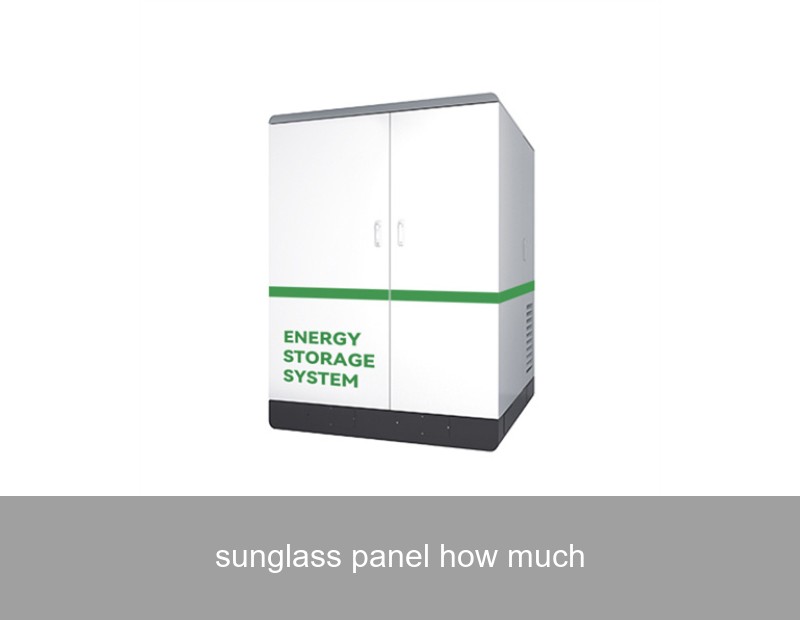
- Balance of System (BOS): This includes inverters, wiring, and mounting. For a premium look, hidden rail systems or custom brackets add to the cost. Crucially, to maximize the value of every kilowatt-hour your beautiful panels produce, pairing them with a smart battery system is key. This is where a partner like Highjoule adds immense value. Our HES Series Commercial & Industrial Battery Energy Storage Systems (BESS) are designed to work seamlessly with premium solar arrays, storing excess daytime production for use during peak evening hours, maximizing self-consumption and ROI.
The Price Range: From Premium to Bespoke
Let's translate this into numbers. For a typical installation in the US or Europe, consider these estimates (before incentives):
| System Type | Estimated Cost per Watt (USD/EUR) | Typical 10kW System Cost (Before Incentives) | Key Characteristics |
|---|---|---|---|
| Standard Polycrystalline Solar | $2.50 - $3.00 / €2.30 - €2.80 | $25,000 - $30,000 | Blue hue, visible grid lines, cost-effective. |
| All-Black "Sunglass" Panels | $2.90 - $3.50 / €2.70 - €3.30 | $29,000 - $35,000 | Sleek, uniform black appearance, higher efficiency monocrystalline cells. |
| Full BIPV (e.g., Solar Roof Tiles) | $4.50 - $7.00+ / €4.20 - €6.50+ | $45,000 - $70,000+ | Fully integrated, replaces roofing material, highest aesthetic value. |
Note: Prices are highly variable and depend on location, specific products, and project scope. Always get multiple detailed quotes.

Image Source: Unsplash (Photographer: Andreas Gücklhorn). Shows the aesthetic integration of dark solar panels.
Case Study: A Boutique Hotel in Southern Spain
Let's look at a real-world example. A 5-star boutique hotel in Andalusia planned a renovation with a strict mandate: enhance sustainability without compromising the historic facade's character. The solution was a hybrid system.
- Challenge: Generate on-site power for extensive guest amenities and pool heating while maintaining architectural integrity.
- Solution: 85kW of high-efficiency all-black panels installed on the large, flat service roof (hidden from guest view). This was coupled with a Highjoule HES-100 battery storage system (100kWh capacity) and intelligent energy management software.
- Cost & Data: The all-black solar array carried a ~15% premium over standard panels, adding approximately €9,000 to the project. However, the integrated Highjoule BESS allowed the hotel to:
- Store cheap solar energy for use during high-price evening peaks, reducing grid consumption by 68%.
- Participate in grid flexibility services, generating new revenue streams.
- Ensure backup power for critical loads, enhancing guest experience.
- Outcome: The combined system paid for itself in under 7 years. The aesthetic requirement was met, and the hotel gained a powerful marketing story as a "fully energy-independent heritage property," allowing them to command a room rate premium. The project data is cited in a International Renewable Energy Agency (IRENA) case study archive on tourism and renewables.
Maximizing Value with Integrated Energy Systems
This case highlights a crucial insight: the true question isn't just "how much does a sunglass panel cost?" but "what is the total value of an integrated smart energy system?" Premium panels are one component. To unlock their full financial and operational potential, they should be part of a holistic system.
This is Highjoule's expertise. For over 18 years, we've specialized in designing systems where generation, storage, and consumption are intelligently coordinated. Our HI-OS energy management platform acts as the brain, deciding when to store solar energy, when to use it, and when to sell it back to the grid for maximum profit—especially valuable in European markets with dynamic pricing.
For residential clients who value aesthetics, pairing beautiful panels with a discreet, high-performance Highjoule Home Energy Vault creates a complete, resilient, and cost-saving home energy ecosystem. The storage system ensures no solar energy goes to waste, dramatically increasing the utilization of the power generated by your investment in premium panels.

Image Source: Unsplash (Photographer: Kindel Media). Represents a modern home energy storage setup.
Is the Investment in Sunglass Panels Worth It For You?
So, should you choose the premium aesthetic? Consider this framework:
- Choose All-Black Panels if: Architectural design, curb appeal, or property value are top priorities. You're in a visible location (urban infill, historic district, high-end residential). The cost premium is justified by non-energy benefits like brand image or planning permission compliance. You plan to pair it with smart storage to maximize ROI.
- Standard Panels May Suffice if: Pure cost-per-watt and maximum energy output are the only drivers. The installation is on a secondary building or a roof not visible from the street. Budget constraints are the primary limiting factor.
Ultimately, the calculus is shifting. As the National Renewable Energy Laboratory (NREL) efficiency charts show, the performance gap is minimal, and the material cost differences are shrinking. The aesthetic and property value benefits are becoming harder to ignore.
The Role of Policy and Future Trends
In many European cities, new building codes are moving towards "positive energy" standards, where aesthetics and generation must merge. This regulatory push, detailed in reports from bodies like the International Energy Agency (IEA), will make BIPV and premium solar aesthetics not just a luxury, but a commonplace component of responsible construction.
Given that your energy system is a 25+ year investment, what value do you place on a solution that looks as good as it performs, and how will you ensure every bit of its clean energy production is put to optimal use in your home or business?
 Inquiry
 Online Chat