


Unlocking Efficiency: Your Guide to Choosing a Reliable Supplier of DC Solar Kit
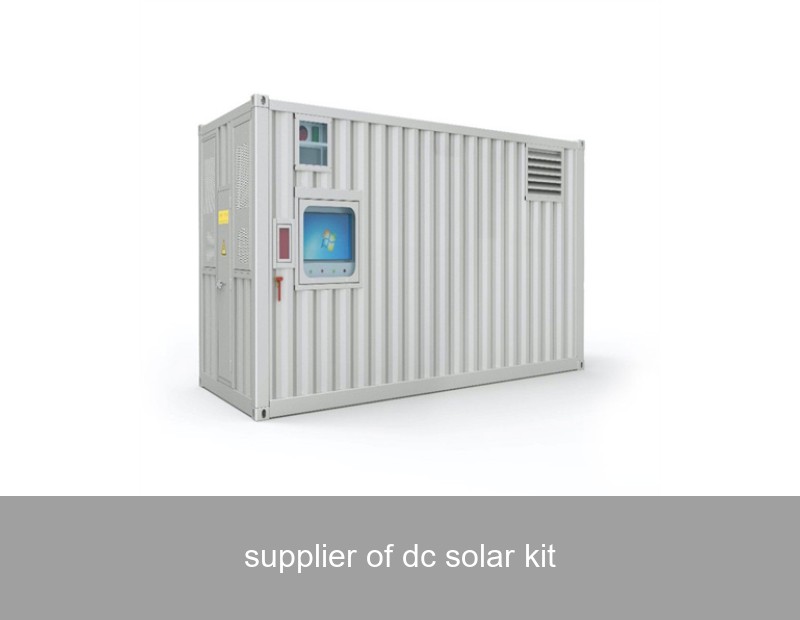
If you're exploring solar energy, you've likely encountered the term "DC solar kit." But what exactly is it, and why is the choice of your supplier of DC solar kit so critical for the long-term performance of your system? Simply put, a DC (Direct Current) solar kit is a pre-engineered package that generates, stores, and manages solar energy in its native DC form. Unlike traditional AC-coupled systems that immediately convert solar power to AC, a DC-coupled architecture minimizes conversions, a design choice that can significantly boost overall efficiency. As a seasoned expert in renewable energy systems, I've seen how the right technology partner can make the difference between a good and a truly outstanding solar investment. Let's delve into the world of DC-coupled solar and discover what you should look for.
The Power Behind the Panels: Key Components of a DC-Coupled System
A high-quality DC solar kit is more than just panels and a battery. It's a symphony of integrated components designed to work in perfect harmony. When evaluating a supplier of DC solar kit, ensure their solution includes these core elements:
- Solar Panels (PV Modules): The primary energy harvesters. Quality here affects everything.
- DC-Coupled Hybrid Inverter/Charger: The intelligent heart of the system. It manages the DC power from the panels, conditions it for the battery, and converts it to clean AC power for your home or business. This single device often replaces multiple components.
- DC-Connected Battery Storage: Energy storage like lithium-ion phosphate (LiFePO4) batteries are connected directly to the inverter's DC bus. This direct path is the source of the efficiency gain.
- Mounting System & Hardware: The physical backbone that ensures durability and safety.
- Energy Management System (EMS): The brain. Advanced software that optimizes energy flow, self-consumption, and can even provide grid services.
Companies that truly understand system integration, like Highjoule, design these components to communicate seamlessly from the start, preventing compatibility headaches and maximizing lifespan.
Why Choose DC Coupling? The Efficiency Advantage
The main event: efficiency. Think of energy conversion like translating a book. Each conversion (AC to DC or DC to AC) is like a translation step, and with each step, a few words (watts) are lost. Here’s the data-driven breakdown:
- Traditional AC-coupled system with battery: Solar DC → Inverter → AC (for home use) → Another Inverter → DC (to charge battery). To use the battery: Battery DC → Inverter → AC. That's multiple conversion steps with losses at each stage.
- Modern DC-coupled system: Solar DC → Charge Controller → Battery DC. To use it: Battery DC → Inverter → AC. One conversion for use, often zero for storage.
This streamlined path can reduce round-trip energy losses by 2-5% compared to AC-coupled systems. Over a system's 20+ year lifespan, that captured energy adds up to a substantial amount of free electricity you would have otherwise wasted. For commercial operations with larger loads, this efficiency gain translates directly to a faster payback period and lower operational costs.
Case Study: A Bavarian Farm's Energy Transformation
Let's look at a real-world example from Southern Germany. A mid-sized dairy farm with high, consistent energy demand for cooling and automation sought energy independence and cost control. They partnered with a local installer using a Highjoule DC-coupled solar kit, the Highjoule HPS Series.
The Challenge: High daytime load, need for nighttime operation, and a desire to utilize a large rooftop space effectively.
The Solution: A 45 kWp solar array was connected to a Highjoule HPS-50 hybrid inverter and 60 kWh of Highjoule's proprietary battery storage, all on a DC bus.
The Data-Driven Outcome (First Year):
| Metric | Result |
|---|---|
| System Efficiency | 94.5% round-trip efficiency recorded |
| Self-Consumption | Increased from ~30% (estimated with AC system) to 82% |
| Grid Import Reduction | Reduced by 76% year-over-year |
| Payback Period | Estimated at 6.8 years, aided by the German EEG scheme and saved costs. |

The farm now operates its critical cooling systems primarily on solar, even after sunset, and has significantly insulated itself from volatile energy prices. This case underscores how the right supplier of DC solar kit provides not just hardware, but a measurable performance outcome.
Choosing the Right Supplier of DC Solar Kit: Beyond the Box
So, how do you select a partner? Look for these markers of a true solution provider:
- System Integration Expertise: Do they design the inverter, battery, and software together? Integrated systems from a single vendor, like Highjoule's offerings, ensure reliability and simpler warranty support.
- Software & Smart Features: Can the system be monitored and controlled via an app? Does it offer smart load management or grid-support functions? Intelligence is key to value.
- Compliance & Certification: For the US and EU markets, certifications like UL 9540 (US) and IEC 62619 (EU) for batteries, and relevant grid codes for inverters, are non-negotiable for safety and permission to operate.
- Technical Support & Warranty: A 10+ year product warranty and accessible, knowledgeable support are indicators of a company that stands behind its technology.
Highjoule's Intelligent DC-Coupled Solutions
At Highjoule, our journey since 2005 has been focused on advancing efficient storage solutions. We've applied this deep expertise to our DC solar kit offerings. Our HPS (Hybrid Power Station) Series is engineered as a unified system. The hybrid inverter is natively designed for DC coupling with our modular LiFePO4 batteries, and our EnergyOS platform provides intuitive control and advanced grid-interactive features. For us, being a leading supplier of DC solar kit means providing a seamless, high-performance package that empowers installers and gives end-customers peace of mind. We focus on the complex system integration so you can focus on harnessing the sun's power simply and effectively.

The Future of Solar is DC-Coupled
The trend in renewable energy is clear: maximize self-consumption and system value. With the rise of electric vehicles (which also use DC power) and the need for grid resilience, the inherent efficiency and control of DC-coupled systems make them a cornerstone of future-proof energy infrastructure. As noted by researchers at the National Renewable Energy Laboratory (NREL), DC-coupled systems can offer significant advantages in cost and performance for new construction and storage-centric retrofits.
Is your current solar setup losing precious energy through unnecessary conversions? What would a 5% boost in your system's efficiency mean for your annual energy bills or sustainability goals?
 Inquiry
 Online Chat