


Finding Your Perfect Supplier of Elite Solar and Storage Solutions
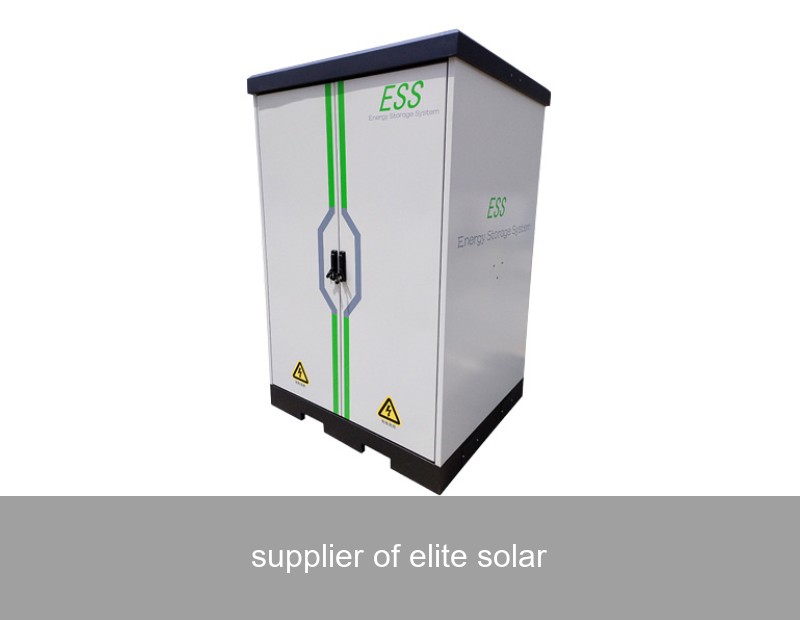
You've made the decision. The logic is irrefutable: harnessing the sun's power for your business or home is no longer just an eco-friendly gesture; it's a strategic move for energy independence, cost control, and sustainability. But here's where many stumble. The market is flooded with options, from budget panels to premium promises. How do you navigate from a simple "solar installer" to a true, reliable supplier of elite solar and battery storage systems? The difference isn't just in the hardware; it's in the intelligence, longevity, and holistic support behind it.
Table of Contents
The Phenomenon: Beyond the Panel
Walk through any neighborhood with solar adoption, and you'll see a common sight: rooftops adorned with panels. Yet, talk to the homeowners, and you'll hear varied stories. Some revel in near-zero electricity bills and seamless backup during outages. Others express frustration with underperformance, confusing monitoring apps, or a lack of support when the inverter has a fault. This divergence highlights the core issue. Purchasing a solar system is not like buying an appliance. It's a 25+ year investment in a complex, interactive energy asset. The common mistake is focusing solely on the cost per watt of the panels, while the real value—and risk—lies in the system design, component synergy, and the long-term partnership with your supplier of elite solar technology.

An elite system integrates generation, storage, and smart management seamlessly.
The Data: Why Elite Systems Outperform
Let's talk numbers. According to a 2023 report by the National Renewable Energy Lab (NREL), the levelized cost of solar has dropped dramatically, but system performance degradation and operational inefficiencies can erode 15-25% of expected financial returns over a system's lifetime. Where does this loss occur?
- Mismatched Components: Pairing high-efficiency panels with a low-tier inverter that can't handle the output curve optimally.
- Passive Systems: Installations that produce energy but lack the intelligence to shift consumption or store excess effectively, missing out on time-of-use savings.
- Battery Degradation: Using standard, non-optimized batteries for daily cycling can lead to premature capacity loss, sometimes within the first 5-8 years.
An elite supplier focuses on the total system yield, not just the peak panel output. This means designing for your specific load profile, weather patterns, and utility rate structure.
The Case Study: A German Manufacturing Plant's Journey
Consider the challenge faced by a mid-sized automotive parts manufacturer near Stuttgart, Germany. Their goals: reduce reliance on volatile grid prices, achieve CO2 reduction targets for supply chain compliance, and ensure uninterrupted production during grid instability.
Their initial proposal from a standard vendor was a 500 kWp rooftop array. The numbers looked good on paper. However, a deeper audit revealed a flaw: the factory's energy consumption peaked in the early morning and evening, misaligned with solar noon. A system without storage would still force them to buy expensive peak power.
They partnered with Highjoule as their supplier of elite solar and storage. The solution was integrated:
| Component | Highjoule Specification | Rationale |
|---|---|---|
| Solar Array | 550 kWp, bifacial modules | Capture reflected light in snowy winters, exceeding nameplate rating. |
| Inverter System | Highjoule H6 Hybrid Inverter Series | Grid-forming capability, allowing parts of the plant to "island" during outages. |
| Storage | Highjoule IntelliBESS 500 kWh Containerized System | Lithium Iron Phosphate (LFP) chemistry for daily cycling, with predictive software to optimize charge/discharge against day-ahead energy prices. |
| Software | Highjoule EnergyOS™ Platform | AI-driven forecasting and real-time control, integrating with the plant's Building Management System. |
The Results (18 Months Post-Installation):
- 86% reduction in grid energy consumption during peak price hours.
- 72% overall energy cost savings versus the previous year.
- Projected 100% ROI in under 7 years, beating the initial 10-year projection.
- The system automatically provided backup power during two brief grid faults, preventing an estimated €120,000 in production line stoppage.
The Insight: The Hallmarks of an Elite Supplier
So, what separates a true partner from a mere vendor? Based on industry benchmarks and two decades of experience at Highjoule, we identify these non-negotiable traits:
1. Holistic System Architecture, Not Piecemeal Parts
An elite supplier designs from the battery outwards. They ask: "What are your resilience and financial goals?" first, then design the solar array, storage, and software to meet them. Every component is selected for interoperability and longevity.
2. Proprietary Intelligence is Key
Hardware is becoming commoditized. The true value lies in the software that governs it. Look for suppliers with their own advanced energy management systems (EMS) that can perform predictive analytics, participate in grid services (where available), and provide transparent, actionable insights.
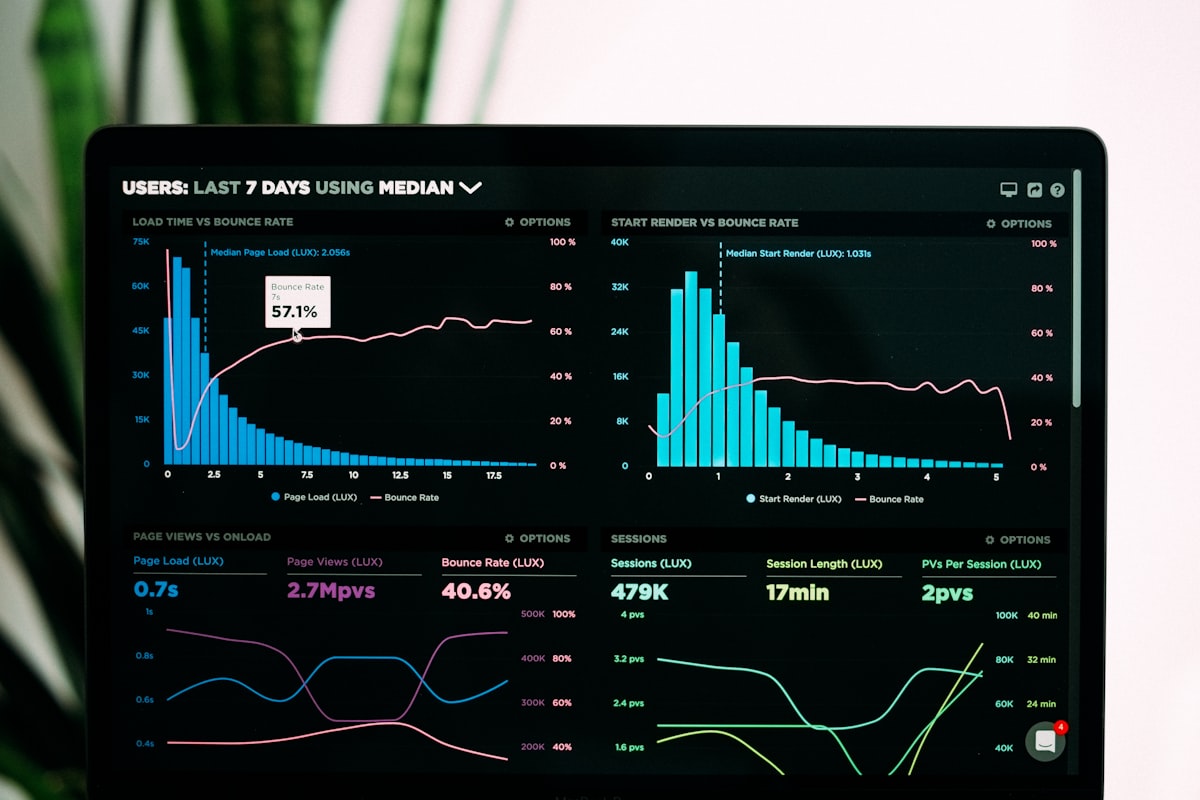
Clear, actionable data is the cornerstone of an elite energy system.
3. Long-Term Partnership Over Transaction
Elite systems require elite support. This includes proactive monitoring, over-the-air software updates to enhance features, and a clear service-level agreement (SLA). Your supplier should act as a long-term steward of your energy asset's performance.
Highjoule's Approach: Intelligence Meets Resilience
Founded in 2005, Highjoule has evolved from a component specialist to a global supplier of elite solar and storage solutions. Our philosophy is built on the principle of Adaptive Energy Resilience. We don't just sell systems; we deliver intelligent energy ecosystems that learn and adapt.
For our commercial and industrial clients across Europe and North America, this means the Highjoule IntelliBESS platform. These containerized or modular battery systems feature our proprietary LFP battery packs, designed for 10,000+ cycles, and are governed by our EnergyOS™ platform. EnergyOS can integrate weather data, utility pricing APIs, and on-site generation to make real-time decisions that maximize financial return.
For residential and smaller commercial sites, our H-Series Hybrid Systems offer the same elite intelligence in a scalable package. The integrated Highjoule Home Manager app gives users unparalleled control and visibility, turning a solar + storage system into an active financial tool. For instance, in markets like California or Texas, where time-of-use rates are extreme, our systems are programmed to dispatch stored energy during the 4-9 pm "peak peril" window, delivering the highest possible bill savings.
Our role as a supplier of elite solar extends to ongoing grid support. Our systems are capable of providing frequency regulation and voltage support, contributing to community grid stability—a feature increasingly valued by utilities and microgrid operators. You can learn more about these grid services from the U.S. Department of Energy's Grid Modernization initiative.
Your Next Step: Questions to Ask
The journey to energy independence is a significant one. As you evaluate potential partners, move beyond price-per-watt and ask the deeper questions that reveal a supplier's true caliber:
- "Can you show me a detailed simulation of my load profile against your system's proposed output and storage dispatch, using last year's actual weather data?"
- "What is the expected degradation curve of your battery system under daily cycling, and what is the warranty guarantee on throughput capacity (kWh) over time?"
- "How does your energy management software integrate with future technologies, like EV charging fleets or additional generators?"
- "What is your protocol for proactive system monitoring and alerting, and what are the typical response times for a performance issue?"
At Highjoule, we welcome these questions. They are the very conversations that lead to optimal, resilient, and high-yield energy systems. The landscape of energy is shifting from centralized consumption to decentralized production and intelligence. The question is no longer if you should invest in solar and storage, but with whom you will partner to build your elite energy future.
What specific energy challenge—be it demand charge reduction, 24/7 resilience, or achieving net-zero—is most critical for your operation in the next 18 months?
 Inquiry
 Online Chat