


Finding the Right Supplier of a Solar 10 kW System: A Guide to Powering Your Energy Independence
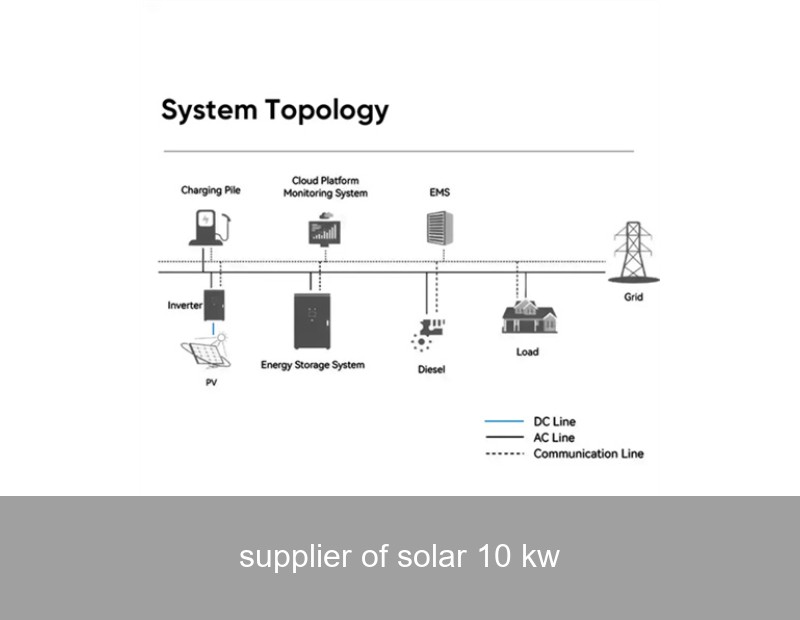
So, you've decided to take a significant step towards energy independence and are looking at a solar 10 kW system. That's an excellent choice for many homes and small businesses. But here's the crucial part many overlook: the supplier of solar 10 kW solutions you choose is just as important as the decision to go solar itself. A 10 kW system isn't just a collection of panels; it's a sophisticated energy ecosystem. The right partner ensures it delivers reliable, efficient, and safe power for decades. This article will guide you through what to look for, why the underlying technology matters, and how to ensure your investment truly pays off.
Table of Contents
What Exactly is a 10 kW Solar System?
A 10 kilowatt (kW) solar photovoltaic (PV) system is designed to generate approximately 10,000 watts of electricity under ideal peak sunlight conditions. In practical terms, depending on your location in Europe or the US, it can produce between 11,000 to 15,000 kWh of clean electricity annually. For context, the average U.S. household consumes about 10,600 kWh per year (source: U.S. EIA), making a 10 kW system a powerful solution for offsetting most, if not all, of a typical home's energy needs, especially when paired with storage.

A well-installed 10 kW system seamlessly integrates into a home's design. (Image: Unsplash)
Why Your Choice of Supplier is Critical
Phenomenon: The solar market is booming, and with it comes a flood of installers and equipment suppliers. It's tempting to go with the lowest bid. However, the long-term performance, safety, and financial return of your system hinge on the quality and expertise of your supplier of solar 10 kw equipment and design.
Data: Studies have shown that system performance can vary by over 20% based on installation quality, component matching, and ongoing monitoring. A poor-quality inverter or incorrectly sized battery can degrade system output and even pose safety risks.
The PAS Framework: Navigating the Solar Supplier Landscape
Problem
You want clean, affordable, and reliable power. You see rising energy bills and grid instability. A standard solar setup might generate power during the day, but what about evenings, peak rate periods, or during a grid outage? Without intelligent storage and management, you're only solving half the problem.
Agitation
Many suppliers focus solely on panel count and price per watt. They might offer a "10 kW package" with generic components that aren't optimized to work together. This can lead to clipped energy production (where your inverter can't handle all the power your panels produce), inefficient battery cycling, and a lack of system-level intelligence. You're left with a static system in a dynamic energy environment, missing out on savings and control.
Solution
The solution is a holistic approach. You need a supplier of solar 10 kw systems that thinks in terms of an integrated energy platform, not just a PV installation. This means:
- Intelligent Inverters: The brain of the system, converting DC to AC while managing grid interaction.
- High-Cycle Life Batteries: For storing excess solar energy, not just for backup but for daily self-consumption optimization.
- Smart Energy Management (EMS): Software that learns your usage patterns, responds to time-of-use rates, and can even participate in grid services.
This integrated approach is where companies like Highjoule excel. As a global leader in advanced energy storage systems since 2005, Highjoule doesn't just supply batteries; we provide the core intelligence for modern solar-plus-storage systems. Our H-Energy Hub is a modular, scalable battery storage solution designed to seamlessly integrate with leading 10 kW-scale solar inverters, transforming a simple solar array into a resilient and smart home energy system.
Real-World Impact: A Case Study from Bavaria, Germany
Let's look at a concrete example. The Müller family in rural Bavaria installed a 10.5 kW solar system in 2020. Initially, their self-consumption rate was only 35%, meaning they were exporting most of their solar power to the grid for a modest feed-in tariff while buying expensive power at night.
The Upgrade: In 2022, they partnered with a Highjoule-certified installer to add a Highjoule H-Energy Hub 10 with 13.8 kWh of storage capacity.
The Data-Driven Results (after 12 months):
| Metric | Before Storage | After Highjoule Storage | Change |
|---|---|---|---|
| Self-Consumption Rate | 35% | 85% | +143% |
| Grid Electricity Purchased | 4,200 kWh/year | 950 kWh/year | -77% |
| Bill Savings (Estimated) | €850/year | €1,900/year | +€1,050/year |
The system also provided uninterrupted power during several short grid outages, protecting their home office. This case illustrates that the true value of a solar investment is unlocked by pairing it with smart storage from a specialized supplier of solar 10 kw energy management systems.

A clean, professional battery installation is key for safety and performance. (Image: Unsplash)
Beyond the Panels: The Heart of a Modern 10 kW System
When evaluating a supplier of solar 10 kw packages, drill down into these core components:
1. The Inverter Technology
Opt for hybrid inverters that have built-in pathways for battery storage and grid management. Look for features like multiple Maximum Power Point Trackers (MPPTs) for handling different roof orientations.
2. The Battery Storage Specs
- Usable Capacity: Ensure you're quoted on usable energy, not total capacity.
- Depth of Discharge (DoD): A higher DoD (e.g., 90%) means you can use more of the battery's stated capacity.
- Cycles & Warranty: A 10-year warranty guaranteeing a high percentage of remaining capacity (e.g., 70% after 10 years) is a sign of quality.
3. The Software & Monitoring
Can you control your system from an app? Does it allow for time-based control to avoid peak tariffs? Can it receive firmware updates to improve functionality over time? Highjoule's PowerSync EMS platform, for instance, offers this level of control and future-proofing.
How Highjoule Fits Into Your Solar Project
As a homeowner or business owner, you likely won't buy directly from Highjoule. Instead, you will work with a qualified solar installer. However, the installer's choice of technology partner defines your system's capabilities. Highjoule serves as the premium supplier of solar 10 kw system intelligence and storage hardware to a network of certified, expert installers across Europe and North America.
When your installer recommends Highjoule, they are bringing you:
- Proven Grid Services Readiness: Our systems are designed to potentially participate in virtual power plants (VPPs), a future revenue stream.
- Unmatched Safety: With cell-level monitoring, advanced thermal management, and UL/IEC certified designs, safety is engineered into every unit.
- Scalability: Start with what you need now. The modular H-Energy Hub design allows you to easily expand storage capacity later as your needs grow.
By choosing an installer who partners with Highjoule, you are ensuring the core of your energy system is built on a foundation of over 15 years of deep storage expertise.
Key Questions to Ask Your Potential Solar 10 kW Supplier
Arm yourself with these questions during consultations:
- "Do you offer integrated solar-plus-storage systems, and what battery technology partners do you work with?"
- "Can you provide a detailed simulation of my energy production, self-consumption, and bill savings with and without battery storage?"
- "What is the specific make and model of the hybrid inverter and battery you're proposing? What are their key specifications (warranty, efficiency, DoD)?"
- "How does the system management software work? Can I set preferences for backup power, cost savings, or environmental goals?"
- "Can you share a reference case study or data from a similar installation in my area?"

A professional installer should clearly explain your system's performance data. (Image: Unsplash)
Your journey to a 10 kW solar system is an investment in your future energy security and sustainability. By focusing on finding a knowledgeable supplier of solar 10 kw systems who prioritizes integrated, intelligent design with quality components like those from Highjoule, you're not just buying panels—you're building a resilient, adaptive, and truly smart energy asset for your property.
What energy goal is most important for you to achieve with your solar investment: total energy independence, maximizing financial return, or ensuring backup resilience during outages?
 Inquiry
 Online Chat