


Finding the Right Supplier of Solar Load Management Solutions for Your Energy Independence
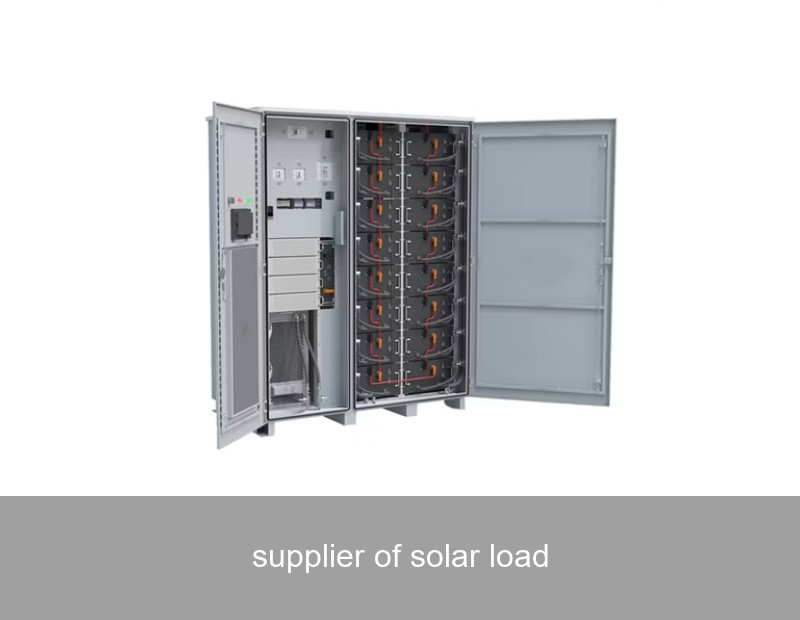
Imagine your solar panels are working at peak performance under the midday sun, but your facility is only using a fraction of that power. Where does the excess energy go? Traditionally, it was fed back to the grid, often for minimal compensation. Today, the game has changed. The key to unlocking true energy independence and maximizing your solar investment isn't just generating power—it's intelligently managing the solar load. This is where choosing an expert supplier of solar load management and storage solutions becomes critical. It's the difference between having solar panels and owning a resilient, cost-optimized energy ecosystem. For businesses and homeowners across Europe and the US, this shift from simple generation to smart consumption is the cornerstone of a sustainable and economically savvy energy strategy.
Table of Contents
The Challenge: Solar Energy's Intermittency Problem
Let's face it: the sun doesn't shine on a strict 9-to-5 schedule. This creates a fundamental mismatch between solar generation and energy load (your consumption patterns). Residential demand often peaks in the early morning and evening, while commercial facilities may have high, constant daytime loads. This mismatch leads to two costly scenarios:
- The Midday Export Glut: Surplus solar energy is exported to the grid at low, wholesale rates.
- The Evening Grid Dependence: As the sun sets, you're forced to buy back expensive electricity from the grid.
This cycle erodes your return on investment. According to the U.S. Department of Energy, effective integration of solar power requires solutions that address this temporal imbalance. Simply put, without management, a significant portion of your solar potential is wasted.
The Solution: Intelligent Solar Load Management & Storage
This is where a sophisticated supplier of solar load solutions enters the picture. The goal is to align consumption with production. Think of it as a sophisticated energy conductor, orchestrating three main strategies:
- Load Shifting: Using stored solar energy during peak grid price periods.
- Peak Shaving: Preventing short-term spikes in grid demand that trigger high utility charges.
- Increased Self-Consumption: Maximizing the use of your own generated solar power on-site.
A robust Battery Energy Storage System (BESS) is the heart of this operation. It acts as a buffer, capturing the midday surplus for use when you need it most. But the real intelligence comes from the software—the energy management system (EMS) that decides when to charge, discharge, hold, or even participate in grid services.

Image: A modern commercial solar and storage installation. Source: Unsplash
Key Components from a Modern Supplier
When evaluating a supplier of solar load management systems, look for an integrated offering. It's not just about selling boxes; it's about providing a cohesive system.
| Component | Role | What to Look For |
|---|---|---|
| High-Cycle Life Batteries | The core storage medium (e.g., Li-ion LFP). | Safety (LFP chemistry), longevity (10+ year warranty), depth of discharge. |
| Hybrid or AC-Coupled Inverters | Converts DC from solar/batteries to usable AC power; manages energy flow. | High efficiency (>98%), seamless grid-to-backup transition, modular scalability. |
| Energy Management System (EMS) | The "brain" that optimizes for cost, consumption, or resilience. | AI-driven forecasting, user-configurable settings, open API for integration. |
| Monitoring & Control Platform | Provides visibility and control via web or app. | Real-time data, performance alerts, customizable reports. |
Case Study: A German Bakery's Recipe for Resilience
Consider the real-world example of "Bäckerei Schmidt," a mid-sized bakery in Bavaria, Germany. Their challenge was twofold: high electricity costs from energy-intensive ovens and refrigeration, and grid reliability concerns.
- Previous Setup: 100 kW rooftop solar, no storage.
- Problem: Only 35% self-consumption rate. They baked mostly at night, buying grid power, while exporting solar power at low feed-in tariffs.
- Solution: Partnering with a qualified supplier of solar load solutions, they installed a 120 kWh LFP battery system with an intelligent EMS configured for their specific load profile.
- Results (12 months post-installation):
- Self-consumption rate increased from 35% to over 80%.
- Grid energy costs reduced by 68%.
- The system provides seamless backup power for critical refrigeration, preventing spoilage during grid outages.
- Estimated payback period: Under 7 years, enhanced by Germany's support for storage systems.
This case highlights how targeted solar load management transforms a business's energy model from passive to proactive.
Choosing Your Supplier of Solar Load Solutions
Selecting a partner is about more than product specs. Ask these critical questions:
- Do you offer a full, integrated system or just components? Compatibility is key to performance and warranty.
- What is your software's capability? Can it adapt to changing utility rates (like dynamic Time-of-Use in California) or participate in grid service programs?
- Can you provide detailed modeling and ROI analysis for my specific load profile? Avoid generic promises.
- What is your long-term service and support model? Look for remote monitoring and proactive maintenance offerings.

Image: An energy management system dashboard providing real-time insights. Source: Unsplash
The Highjoule Approach: Beyond the Hardware
At Highjoule, with nearly two decades of experience since 2005, we understand that being a leading supplier of solar load solutions means delivering certainty. Our systems, like the Highjoule H-Series Commercial ESS, are engineered for intelligence and durability. We pair this hardware with our OptiFlow EMS, a platform that uses predictive algorithms to not just react to, but anticipate your energy needs and market price signals.
For a dairy farm in the Netherlands, this meant configuring a system to prioritize chilling operations using stored solar power during peak grid times. For a microgrid in California, it meant designing a system that could island from the grid during Public Safety Power Shutoffs. Our role is to be your energy architect, designing a system that fits your unique load profile, geographic context, and financial goals. We provide the tools to turn your solar array into a dispatchable energy asset.
Ready to Transform Your Solar Investment?
The journey from a simple solar generator to an intelligent, load-managing energy producer is the defining energy upgrade of this decade. It begins with a conversation about your specific patterns, challenges, and ambitions. What does your current solar production curve look like, and how would reshaping it impact your bottom line and sustainability goals?
 Inquiry
 Online Chat