


Switching to Solar Power: A Smart Guide to Energy Independence and Cost Savings
You've likely noticed your electricity bill creeping up, season after season. Perhaps you're also thinking more about your home's or business's environmental footprint. These are the very real, everyday phenomena pushing thousands of households and companies across Europe and the U.S. to explore a powerful solution: switching to solar power. But the journey from considering solar to truly achieving energy independence involves a crucial, often overlooked component: intelligent energy storage. Let's explore how this transition works and why the right storage system is the key to unlocking solar's full potential.
Table of Contents
The Phenomenon: More Than Just Panels on a Roof
When people think of switching to solar power, the image is almost always of shiny photovoltaic (PV) panels. And while panels are the essential fuel harvesters, they only tell half the story. The sun doesn't shine on demand. Your energy needs, however, don't pause at sunset or on cloudy days. This creates a fundamental mismatch: you're producing the most clean energy in the middle of the day when you might be out at work, and producing little to none in the evening when you're home, cooking, heating, and watching TV.
Without a way to capture that midday surplus, you end up exporting it to the grid for a small feed-in tariff, only to buy back expensive power from your utility a few hours later. This dynamic limits your savings and keeps you tethered to the traditional grid. The true goal of switching to solar power isn't just to generate green energy—it's to use it on your own terms, maximizing self-consumption and building resilience.

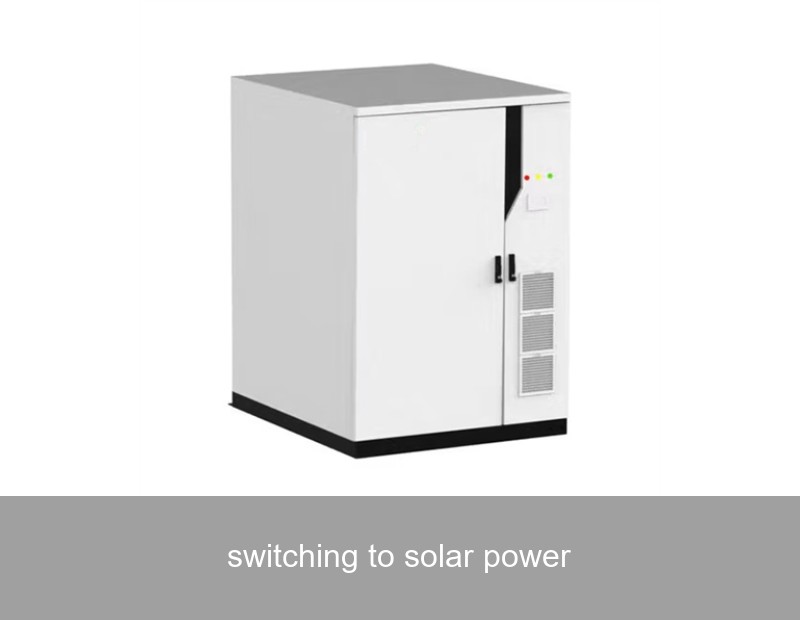
Image: Solar panels capture the sun's energy, but an intelligent battery system ensures it's available when you need it most.
The Data: Why Storage is the Game-Changer
The numbers make a compelling case. According to the U.S. Department of Energy, the cost of solar PV has dropped by over 70% in the last decade. However, the financial and practical benefits skyrocket when paired with storage. A typical home solar system without a battery might achieve 30-50% self-consumption (using your own solar power directly). The rest is sent to the grid.
Add a high-performance battery energy storage system (BESS), and that figure can jump to 70% or even exceed 90%. This directly translates to steeper reductions in your electricity bill and a faster return on investment. For businesses, this is even more critical, as demand charges and time-of-use rates can make grid power prohibitively expensive during peak operational hours.
| System Type | Average Self-Consumption | Grid Dependence at Night | Bill Savings Potential |
|---|---|---|---|
| Solar Only | 30-50% | High | Moderate |
| Solar + Basic Battery | 60-80% | Medium | High |
| Solar + Intelligent BESS (e.g., Highjoule) | 80-95%+ | Low to Zero* | Very High |
*Depending on system sizing and energy management.
A Real-World Case Study: The Munich Bakery
Let's look at a concrete example from our operations in Europe. A traditional family-run bakery in Munich, Germany, was facing crippling energy costs. Their ovens, refrigeration, and lighting operated from pre-dawn until evening, with sharp peaks in the morning. Their existing solar array covered only a fraction of their daytime needs, and they were subject to high commercial grid rates.
Highjoule engineers designed and installed a tailored commercial energy storage system integrated with their existing solar PV. The system included our HJ-Stack Commercial Series battery units and our Smart Energy Hub for advanced management.
- The Challenge: Reduce peak grid demand, maximize solar use, and ensure power stability for sensitive baking equipment.
- The Solution: A 100 kWh Highjoule BESS, programmed to charge from excess solar and during low-cost, off-peak night hours.
- The Result: The system now powers the bakery's intense morning rush entirely from stored energy. They have cut peak grid demand by over 40% and increased their on-site solar consumption from 35% to 88%. The project is on track to pay for itself in under 5 years, all while guaranteeing the ovens never flicker during a grid fluctuation.
This case underscores that switching to solar power is most effective as a holistic system upgrade, not just a panel installation.
The Highjoule Solution: Intelligent Storage for Real Life
Founded in 2005, Highjoule has evolved into a global leader by focusing on this exact principle: solar generation must be paired with smart storage. Our products are designed to be the intelligent heart of your energy ecosystem, whether for a home, a business, or a community microgrid.
For residential customers in the U.S. and Europe, our HomePower Series is more than just a battery. It's an integrated energy manager. Its AI-driven software learns your household's patterns, weather forecasts, and utility rate schedules. It automatically decides when to store solar energy, when to power your home, and when to sell back to the grid for maximum profit—all accessible via a simple smartphone app.

For commercial & industrial (C&I) applications, our HJ-Stack Modular System offers scalable power and capacity. Businesses can start with a foundational unit and expand as needs grow. This system is crucial for demand charge management, backup power for critical operations, and participating in grid services, turning an energy cost center into a potential revenue stream.
Our Smart Energy Hub platform ties everything together, providing seamless control over solar, storage, and grid interaction. It's this commitment to intelligent, efficient, and sustainable power solutions that has made Highjoule a trusted partner for those serious about switching to solar power.
What Sets a Highjoule System Apart?
- Adaptive Learning Software: Maximizes economics based on your unique usage and local tariffs.
- Scalable & Modular Design: Start with what you need and expand your storage capacity without hassle.
- Robust Safety & Longevity: Built with premium LiFePO4 battery chemistry for enhanced safety, cycle life, and stable performance across a wide temperature range.
- Grid Services Ready: In supported markets, your system can contribute to grid stability, potentially generating additional income.
Making the Switch: Key Considerations
So, you're ready to explore switching to solar power with storage. Here’s a practical ladder to climb:
- Audit Your Energy Usage: Review your last 12 months of utility bills. Identify your baseline consumption and peak demand. This is the blueprint for sizing your system.
- Understand Local Policies: Research net metering rules, feed-in tariffs, and any incentives or rebates for solar-plus-storage in your region (like the Residential Clean Energy Credit in the U.S.).
- Choose the Right Partner: Look for an installer with expertise in integrated solar-and-storage systems, not just panels. They should model your future consumption and savings with storage in mind.
- Think Long-Term: Consider future needs—an electric vehicle, a home addition, or expanding your business. Your storage system should be able to grow with you.
The transition to renewable energy is accelerating. As noted by the International Energy Agency (IEA), solar PV is set to dominate global capacity additions. The next logical step in this evolution is the widespread adoption of storage to make that energy reliable and truly your own.
What's the first question you would ask an energy specialist to assess if your home or business is ready for a smart solar-plus-storage system?
 Inquiry
 Online Chat