


Why Your Telco Power Supplier Choice is the Backbone of Network Reliability and Sustainability
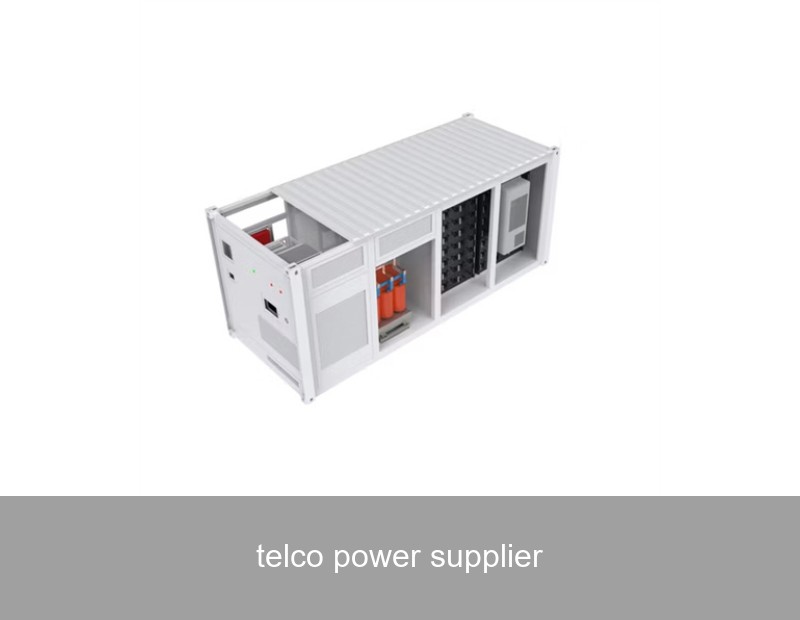
In our hyper-connected world, a dropped call or a slow data stream is more than an annoyance—it's a potential business crisis. Behind the seamless operation of every cell tower and data center lies a critical, often overlooked component: the telco power supplier. This isn't just about electricity from the grid; it's about a sophisticated, resilient power ecosystem that keeps networks online 24/7. As telecom operators face soaring energy costs, stringent carbon reduction goals, and escalating demand for data, the traditional approach to power is undergoing a radical transformation. The modern telco power supplier is no longer just a utility provider but a strategic partner in building resilient, efficient, and sustainable network infrastructure.
Table of Contents
- The Mounting Pressure on Telecom Power Infrastructure
- The Data Reality: Cost, Consumption, and Carbon
- Case Study: A European Operator's Grid-Independence Journey
- The Modern Solution: Integrated Energy Storage Systems (ESS)
- Highjoule's Role: Intelligent Power Solutions for Telecoms
- Future-Proofing Networks: Key Trends and Technologies
The Mounting Pressure on Telecom Power Infrastructure
Think about the last time you experienced a network outage. Frustrating, wasn't it? For telecom operators, such events damage reputation and revenue. The power challenges are multifaceted:
- Grid Instability: Aging infrastructure in many regions leads to increasing frequency and duration of power outages, directly threatening network uptime.
- Energy Price Volatility: The recent energy crisis in Europe underscored how fluctuating wholesale electricity prices can devastate operational budgets. Telecom networks are among the largest industrial energy consumers.
- 5G & Edge Expansion: Deploying 5G and edge computing sites massively increases power density. A single 5G macro site can consume up to 70% more power than its 4G predecessor, often in locations with limited grid capacity.
- Sustainability Mandates: Both corporate ESG commitments and regulatory frameworks (like the EU's Green Deal) are pushing operators to dramatically reduce carbon emissions and integrate renewable energy.
The traditional model of grid power backed by diesel generators is becoming economically and environmentally unsustainable. This is where the evolution of the telco power supplier concept begins—from providing kilowatt-hours to delivering holistic power resilience and intelligence.
The Data Reality: Cost, Consumption, and Carbon
Let's look at the numbers. The telecom industry accounts for approximately 2-3% of global energy consumption, a figure projected to grow with data traffic. According to a GSMA report, energy costs can represent up to 40% of a mobile network operator's operational expenditure (OPEX). Furthermore, diesel generators, the traditional backup solution, are not only carbon-intensive but also require maintenance and fuel logistics, adding complexity and cost.
This creates a powerful business case for change. The goal is threefold: slash OPEX, achieve net-zero targets, and guarantee 99.999% (five-nines) availability. The solution lies in decoupling network reliability from an unreliable grid through smart, renewable-integrated storage systems.
Case Study: A European Operator's Grid-Independence Journey
A leading mobile network operator in Southern Europe faced critical challenges. Over 300 of its remote mountain and rural cell sites suffered from frequent grid outages, relying on diesel generators that were costly and emission-heavy. Their annual energy costs for these sites were soaring, and carbon emissions were off track for EU compliance.
The Solution: The operator partnered with a next-generation telco power supplier ecosystem. They deployed integrated solar-plus-storage microgrids at each site. Each system included:
- High-efficiency photovoltaic (PV) panels
- Intelligent lithium-ion battery energy storage systems (BESS) with advanced thermal management
- An energy management system (EMS) for predictive control
The Results (18-month post-deployment):
| Metric | Outcome |
|---|---|
| Diesel Fuel Use | Reduced by 94% |
| Site OPEX | Lowered by 70% |
| Carbon Emissions | Reduced by 130 tons per site annually |
| Grid Independence | Sites achieved 85% renewable self-sufficiency |
| Reliability | Uninterrupted service despite grid failures |
This case demonstrates that reimagining the power supply is not a future concept but a present-day, high-ROI imperative. 
The Modern Solution: Integrated Energy Storage Systems (ESS)
At the heart of this transition is the Battery Energy Storage System (BESS). A modern BESS for telecom is far more than a battery; it's the intelligent core of site power. Key capabilities include:
- Peak Shaving: The BESS discharges during periods of high grid electricity prices, dramatically cutting demand charges.
- Renewable Smoothing: It stores excess solar or wind energy for use when generation is low, maximizing green energy utilization.
- Seamless Backup: Provides instantaneous power during grid outages, eliminating the need for generators to kick in for short disruptions.
- Grid Services: In some markets, aggregated storage networks can provide grid stabilization services, creating a new revenue stream.
Choosing the right BESS technology is critical. Lithium-ion phosphate (LFP) chemistry, for instance, has become the standard for telecom due to its long cycle life, safety, and excellent performance across a wide temperature range.
Highjoule's Role: Intelligent Power Solutions for Telecoms
This is where Highjoule, as a global leader in advanced energy storage since 2005, steps in. We understand that a telecom operator's needs extend far beyond hardware. Our approach is to be your comprehensive telco power supplier partner, offering:
- Highjoule HPS Series for Telecom: Our containerized and modular BESS solutions are engineered for harsh outdoor environments. They feature integrated climate control, high-cycle LFP batteries, and compatibility with all major renewable inputs and existing site infrastructure.
- Athena Energy Management Platform: Our proprietary, AI-driven software is the brain of the operation. It performs predictive analytics, optimizes energy flow based on weather forecasts and tariff schedules, and provides remote, real-time monitoring and control of thousands of distributed sites from a single dashboard.
- End-to-End Service: From initial site assessment and financial modeling to system design, installation, and lifelong maintenance, Highjoule provides a single point of accountability. We ensure your transition to resilient power is smooth and sustainable.
For a major US operator deploying edge data centers, Highjoule's systems provided not just backup, but daily cost savings through peak shaving, integrating seamlessly with their on-site solar arrays and reducing their reliance on the grid by over 60%.

Future-Proofing Networks: Key Trends and Technologies
The evolution continues. The most forward-thinking operators are exploring:
- Vehicle-to-Grid (V2G) for Telecom: Using the batteries of electric fleet vehicles as a temporary backup power source for network sites.
- Second-Life EV Batteries: Repurposing batteries from electric vehicles for less demanding stationary storage applications in telecom, promoting a circular economy. The International Energy Agency notes the growing potential of this market.
- AI and Machine Learning: Advanced algorithms will further optimize energy dispatch, predict equipment failures before they happen, and autonomously manage entire networks of virtual power plants (VPPs).
The relationship with your telco power supplier is fundamentally changing. It's moving from a transactional cost center to a strategic partnership focused on resilience, sustainability, and smart operational excellence.
Is your network's power strategy still built for the past, or is it ready to support the massive growth and sustainability demands of the next decade? What would achieving 100% renewable power at your most remote site do for your brand and your bottom line?
 Inquiry
 Online Chat