


Telecom Cabinets for Sale: Your Guide to Uninterrupted, Sustainable Connectivity
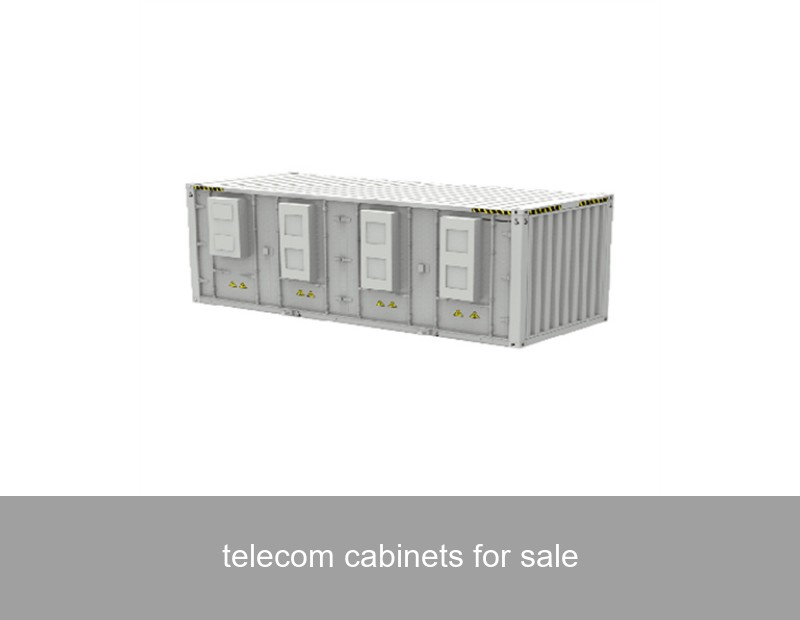
When you search for "telecom cabinets for sale", you're likely looking for more than just a metal box. You're seeking the resilient heart of a network node—a solution that ensures 24/7 connectivity in an increasingly digital world. But in today's landscape, a cabinet is no longer just about housing equipment. The real question is: how do you power it reliably, efficiently, and sustainably? As a product technology expert at Highjoule, I've seen the industry evolve from simple enclosures to intelligent energy hubs. Let's explore why your next telecom cabinet purchase should be a strategic decision for energy resilience.
The Unsung Hero of Connectivity: Telecom Cabinets
Telecom cabinets, those ubiquitous green or gray boxes on our street corners, are the silent workhorses of modern communication. They house the critical switching, routing, and fiber optic equipment that brings us high-speed internet, crystal-clear calls, and seamless mobile data. Their performance is non-negotiable. Yet, their most vulnerable point isn't the tech inside—it's the power that feeds it.
The Silent Power Problem: Why Grid Reliance is a Risk
Traditionally, these cabinets are connected directly to the main electrical grid, with a battery backup system meant to bridge short outages. But this model is showing its cracks. Climate change is increasing the frequency and severity of extreme weather events, leading to more prolonged power cuts. An aging grid infrastructure, both in Europe and the US, adds another layer of vulnerability. Relying solely on diesel generators is not only carbon-intensive but also requires refueling, which can be impossible during widespread disruptions.
This phenomenon creates a critical business and service risk. When a cabinet goes dark, a whole neighborhood or business district can lose connectivity. The result? Frustrated customers, lost productivity, and potential safety issues.
The Modern Energy Challenge for Telecom Infrastructure
- Grid Instability: Increasing outages due to storms, heatwaves, and infrastructure strain.
- Rising Energy Costs: Operational expenditure (OPEX) for power is a significant and growing line item.
- Sustainability Mandates: Network operators face strict carbon reduction targets and ESG goals.
- Space & Scalability: Adding more traditional backup in a confined cabinet space is a major challenge.
Data Don't Lie: The Cost of Downtime
Let's talk numbers. A study by the Ponemon Institute found that the average cost of a data center outage has soared to nearly $9,000 per minute. While a single street cabinet outage may not reach that scale, the aggregate impact across a network is staggering. For a telecom operator, downtime translates directly into:
| Impact Area | Consequence |
|---|---|
| Service Level Agreements (SLAs) | Financial penalties and contract breaches. |
| Customer Churn | Subscribers switching to more reliable competitors. |
| Brand Reputation | Perceived as an unreliable service provider. |
| Emergency Services | Potentially life-threatening communication failures. |
Case Study: A European Network Operator's Wake-Up Call
A major fiber-to-the-home (FTTH) provider in Southern Europe experienced this firsthand. After severe flooding caused a 48-hour grid failure in a suburban area, over 200 of their standard telecom cabinets—reliant on batteries and distant generators—failed within 8 hours. The result was a communications blackout affecting 15,000 homes and businesses.
The Data: The incident cost the operator an estimated €450,000 in emergency response, customer compensations, and regulatory fines. More importantly, their churn rate in that region spiked by 300% the following quarter.
The Solution & Outcome: They partnered with Highjoule to pilot a retrofit program. We integrated our CubeStack Modular Battery Energy Storage Systems (BESS) into their new and existing "telecom cabinets for sale" procurement. These compact, lithium-ion phosphate (LFP) based systems were configured for solar hybridization. A single 10kWh CubeStack module, paired with a small rooftop solar panel, can keep a critical cabinet node operational for over 72 hours off-grid. In the 18 months since deployment across 500 sites, these hybrid-powered cabinets have maintained 100% uptime through multiple grid disturbances, saving an estimated €1.2M in potential outage costs and reducing carbon emissions by 85 tonnes.

Image: A modern street cabinet concept with integrated solar. Source: Unsplash (Representative image)
Beyond Backup: The Smart, Sustainable Power Hub
The future of the telecom cabinet is as an intelligent, grid-interactive asset. Imagine a cabinet that doesn't just consume power but manages it:
- Peak Shaving: Drawing from its battery during periods of high grid electricity prices to reduce OPEX. Renewable Integration: Seamlessly using solar PV to charge batteries and power equipment directly.
- Grid Services: In the future, aggregated cabinets could provide frequency regulation services to the grid, creating a new revenue stream.
This transforms a cost center into a strategic, sustainable asset. When you evaluate "telecom cabinets for sale" today, you must consider this energy intelligence layer.
The Highjoule Solution: Intelligent Energy for Critical Infrastructure
At Highjoule, we don't sell cabinets. We empower them. For nearly two decades, we've specialized in making energy storage smart, safe, and sustainable. Our solutions are designed to integrate seamlessly with leading telecom cabinet manufacturers or to retrofit existing infrastructure.
For telecom operators, we offer the Highjoule NEXUS Platform—a comprehensive energy management system. When you procure your next generation of cabinets, specify them with NEXUS-ready integration. The platform includes:
- CubeStack BESS: Our modular, containerized lithium-ion battery systems provide scalable, long-duration backup power. Their compact form factor is ideal for the space-constrained telecom environment.
- Smart Hybrid Inverter: Manages power flow between grid, solar, battery, and the critical load with millisecond precision.
- Cloud-Based EMS: Provides real-time monitoring, predictive analytics, and remote control of your entire distributed energy asset fleet from a single dashboard. You can see the state of charge, performance, and health of every cabinet's power system instantly.
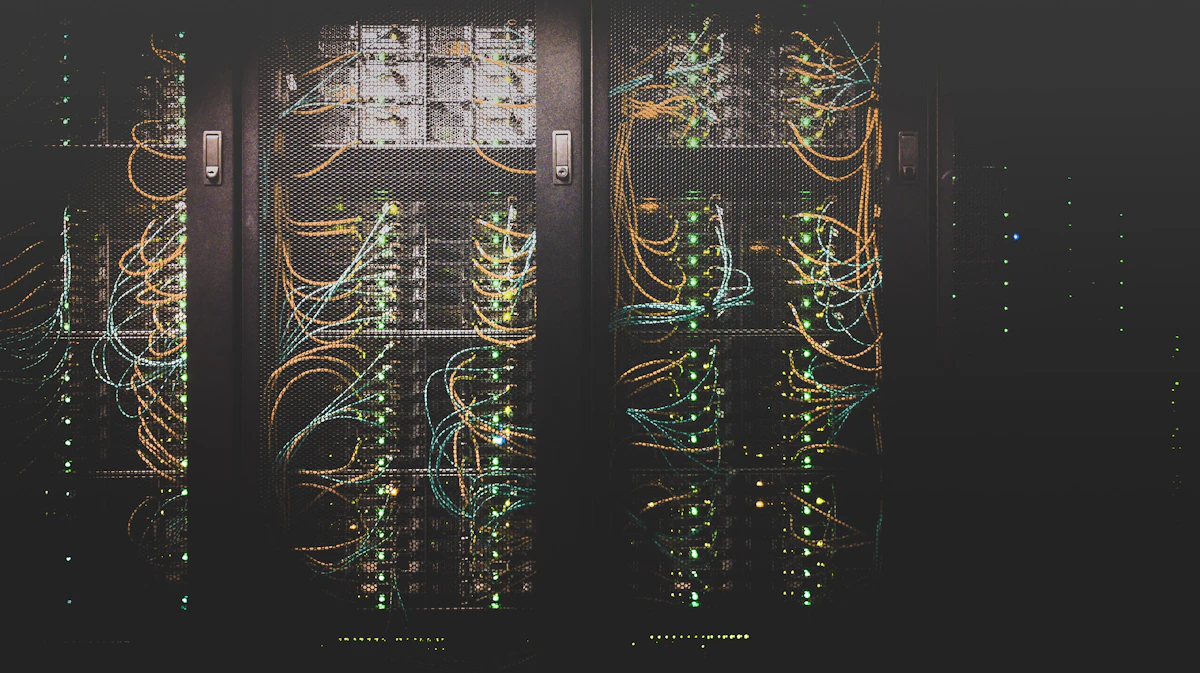
Image: Centralized monitoring of distributed energy assets. Source: Unsplash (Representative image)
This isn't just backup; it's energy autonomy. It ensures that your network remains the most reliable in the market, while actively reducing operational costs and carbon footprint.
Choosing Your "Telecom Cabinet for Sale": A Buyer's Checklist
As you evaluate suppliers, move beyond specs for steel gauge and RU count. Here are your new critical questions:
- Energy Resilience: Is it designed for integrated, long-duration battery storage beyond 4 hours?
- Hybrid Readiness: Does it have safe, pre-conducted pathways for DC solar input and ventilation for power electronics?
- Smart Management: Can it host an intelligent gateway for remote energy management and monitoring?
- Thermal Design: Is the thermal management system (cooling/heating) optimized for the heat load of both telecom gear and battery systems?
- Partner Ecosystem: Does the manufacturer partner with proven energy storage specialists like Highjoule to deliver a certified, integrated solution?
By demanding cabinets that are "energy-aware," you future-proof your network investment.
The Role of Policy and Standards
Governments and standards bodies are taking note. The European Commission's Digital Decade policy emphasizes the need for resilient, green digital infrastructure. In the US, federal incentives for clean energy and grid resilience under the Inflation Reduction Act (IRA) can potentially be leveraged for telecom infrastructure upgrades. Choosing a sustainable, resilient cabinet solution aligns with these macro trends and can open doors to funding.
The search for the right "telecom cabinet for sale" has fundamentally changed. It's now a search for energy security and intelligence. So, as you plan your network's expansion or upgrade, ask yourself this: Is your strategy still just about connecting to the grid, or is it about building a network that can stand resiliently on its own?
 Inquiry
 Online Chat