


Understanding the Major Types of Solar Power Plant: A Guide to Solar Energy Generation
As the world accelerates its transition to clean energy, solar power stands out as a cornerstone technology. But when we talk about "solar power," we're not referring to a single, monolithic solution. The energy captured from the sun is harnessed through different types of solar power plant, each with distinct engineering principles, applications, and benefits. Whether you're a business owner in Germany evaluating energy independence, a utility planner in California, or a homeowner in Texas, understanding these differences is crucial for making informed decisions. From vast fields of mirrors concentrating sunlight to rooftop panels powering neighborhoods, the diversity of solar technology is key to its global success. In this article, we'll demystify the main types of solar power plants and explore how advanced energy storage, like the solutions provided by Highjoule, is becoming the critical partner for maximizing their value and reliability.
Table of Contents
- The Solar Imperative: More Than Just Panels
- Photovoltaic (PV) Power Plants: Converting Sunlight Directly to Electricity
- Concentrated Solar Power (CSP) Plants: Harnessing Heat for the Grid
- The Hybrid Future: Integrating Solar with Energy Storage
- Case Study: How a Spanish C&I Plant Leveraged Storage for Profitability
- Choosing the Right Type of Solar Power Plant for Your Needs
The Solar Imperative: More Than Just Panels
Let's start with a simple fact: solar is now the cheapest source of electricity in history for much of the world, as noted by the International Renewable Energy Agency (IRENA). This cost revolution is primarily driven by photovoltaic (PV) technology. However, the integration of massive amounts of variable renewable energy into our grids presents a new challenge: intermittency. The sun doesn't shine at night, and cloud cover can cause sudden dips in generation. This is where the conversation evolves from simply installing types of solar power plant to creating intelligent, resilient energy systems. The next step is ensuring that the clean power generated can be used when and where it's needed most.
Photovoltaic (PV) Power Plants: Converting Sunlight Directly to Electricity
PV plants are the most recognized and widely deployed of all types of solar power plant. They use semiconductor materials, typically housed in solar panels, to convert sunlight directly into electricity via the photovoltaic effect. The scale and application of these systems vary dramatically, defining three major sub-categories.
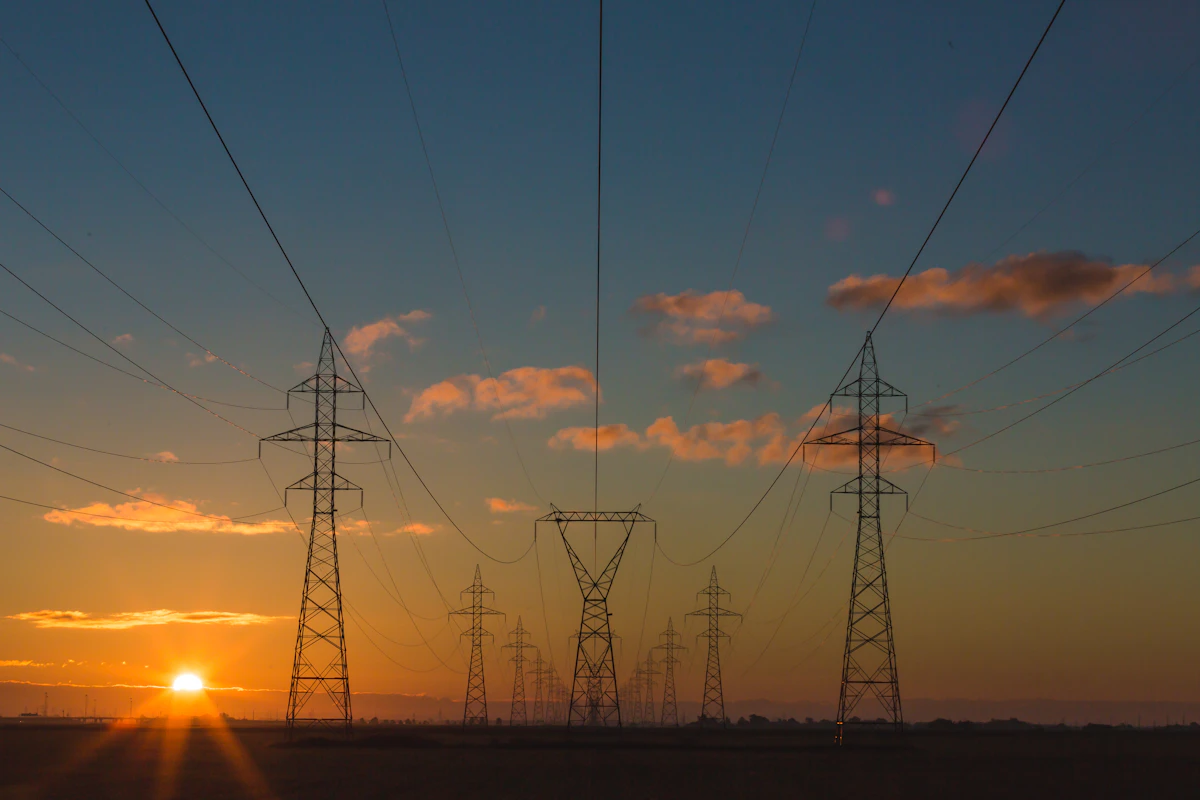
Image Source: Unsplash - A typical utility-scale photovoltaic power plant.
Utility-Scale PV Plants
These are the giants of the solar world. Designed to feed power directly into the transmission grid, utility-scale plants can cover hundreds of acres and have capacities ranging from tens of megawatts (MW) to multiple gigawatts (GW). They function like traditional power stations but with zero fuel costs and emissions. Key considerations for these behemoths include grid connection stability, land use, and, increasingly, pairing with large-scale battery energy storage systems (BESS) to provide dispatchable power and grid services like frequency regulation.
Commercial & Industrial (C&I) PV Systems
This category includes solar installations on the rooftops, parking canopies, or adjacent land of businesses, factories, warehouses, and public institutions. The primary goal here is to reduce electricity costs by offsetting consumption from the grid, with the added benefits of sustainability branding and hedging against volatile energy prices. For a factory in Italy or a supermarket chain in the UK, a C&I system is a strategic investment. However, to maximize self-consumption and avoid exporting low-value surplus energy, integrating a tailored battery storage system is becoming standard practice. This is a core focus for Highjoule, which provides intelligent, containerized BESS solutions that allow C&I operators to store excess solar generation for use during peak pricing periods, effectively creating a private, resilient microgrid.
Residential PV Systems
Installed on single-family homes, residential systems are the most distributed form of solar generation. While individual system sizes are small (typically 3-10 kW), their collective impact is massive. The modern home system is no longer just about panels on the roof; it's an integrated energy ecosystem. Homeowners are now looking at solar plus storage to achieve true energy independence, backup power during outages, and optimal management of their energy flows. Highjoule's residential energy storage systems are designed to seamlessly integrate with new or existing solar arrays, offering homeowners control, security, and greater financial returns from their solar investment.
Concentrated Solar Power (CSP) Plants: Harnessing Heat for the Grid
CSP, or solar thermal power, represents a different engineering philosophy among the types of solar power plant. Instead of converting sunlight directly to electricity, CSP uses mirrors (heliostats) to concentrate sunlight onto a receiver, generating extremely high temperatures. This thermal energy is used to produce steam that drives a traditional turbine and generator.
The key advantage of CSP is its inherent thermal energy storage capability. Molten salts can store the heat for several hours, allowing the plant to generate electricity after sunset, a feature that addresses solar's intermittency challenge head-on. While currently less widespread than PV due to higher capital costs and specific site requirements (high direct normal irradiance), CSP plays a vital role in providing dispatchable renewable power in sunny regions. According to the National Renewable Energy Laboratory (NREL), advancements in CSP technology and thermal storage continue to improve its cost-competitiveness for grid-scale, firm power delivery.
The Hybrid Future: Integrating Solar with Energy Storage
The evolution of solar is unmistakably moving towards hybridization. The most efficient and financially sound types of solar power plant are increasingly those coupled with advanced energy storage. A "solar-plus-storage" plant combines generation with the ability to time-shift energy, releasing it when demand and prices are highest or when the grid needs support.
| Plant Type | Primary Strength | Key Challenge | Storage Integration Benefit |
|---|---|---|---|
| Utility-Scale PV | Low-cost bulk energy | Intermittency, grid congestion | Becomes dispatchable, provides grid stability services |
| C&I PV | Reduces energy bills | Mismatch between solar production and facility load | Maximizes self-consumption, reduces peak demand charges |
| Residential PV | Individual energy production | No generation at night, grid outages | Enables backup power, increases energy independence |
| CSP | Inherent thermal storage | High upfront cost, site-specific | Storage is built-in; can be hybridized with PV for further optimization |
Highjoule's expertise lies in designing and deploying these sophisticated battery storage solutions. Whether it's a multi-megawatt system for a solar farm in Texas needing to meet dispatchability requirements, or a modular storage unit for a European manufacturing plant looking to cap its peak grid demand, Highjoule's technology ensures the solar asset delivers its maximum possible value.
Case Study: How a Spanish C&I Plant Leveraged Storage for Profitability
Let's look at a real-world example from southern Spain. A large fruit processing and cold storage facility with a 1.2 MW rooftop solar PV system faced a common issue: its solar production peaked during midday, but its highest energy consumption—and highest grid electricity costs—occurred in the early evening when the cold storage units worked hardest to prepare for nighttime shipping. Additionally, the facility was subject to significant peak demand charges based on its highest 15-minute power draw from the grid each month.
The Solution: In 2023, the facility partnered with Highjoule to install a 500 kW / 1 MWh containerized battery energy storage system. The system was intelligently controlled by Highjoule's AI-driven energy management system (EMS).
The Results (12-month period):
- Self-Consumption Increase: The facility's direct use of its own solar power increased from 68% to 92%, drastically reducing the purchase of grid electricity.
- Peak Shaving: The battery automatically discharged during the facility's evening peak load, reducing the maximum power draw from the grid. This led to a 22% reduction in monthly demand charges.
- ROI: The combined savings from increased self-consumption and reduced demand charges resulted in a projected payback period of under 5 years for the storage system, a highly attractive investment for the business.
This case demonstrates that for commercial entities, the right type of solar power plant isn't just about generation—it's about an integrated system where storage unlocks the full financial potential.

Image Source: Unsplash - A modern containerized battery energy storage system for industrial applications.
Choosing the Right Type of Solar Power Plant for Your Needs
So, how do you decide which path is right for your home, business, or community? The answer depends on several factors:
- Scale & Purpose: Are you aiming to power a single home, reduce operational costs for a factory, or supply power to the wholesale market?
- Land/Roof Availability: Do you have vast open land, ample rooftop space, or limited area?
- Energy Consumption Profile: When do you use the most electricity? Does it align with solar production hours?
- Financial Goals: Is the primary driver immediate bill savings, long-term price hedging, revenue from grid services, or achieving sustainability targets?
- Grid Reliability: Is backup power during outages a critical requirement?
For most modern applications beyond the largest utility-scale fields, the optimal solution involves PV paired with battery storage. This combination provides flexibility, resilience, and the highest economic return. As a global leader with nearly two decades of experience, Highjoule doesn't just sell storage hardware; we provide end-to-end intelligent power solutions. Our team works with developers, EPCs, and end-users to design systems that precisely match the characteristics of their solar generation—whether it's a massive PV farm, a warehouse rooftop array, or a community microgrid—ensuring reliability and maximizing return on investment.
The landscape of solar energy is vibrant and diverse, with each type of solar power plant playing a crucial role in our clean energy future. But the question we should be asking is evolving: How can we ensure every solar installation, regardless of its type, delivers reliable, dispatchable, and cost-effective power 24 hours a day? What role will energy storage play in your organization's or community's energy transition strategy?
 Inquiry
 Online Chat