


Vertical Photovoltaic Panels: A Clever Twist on Solar Energy Harvesting
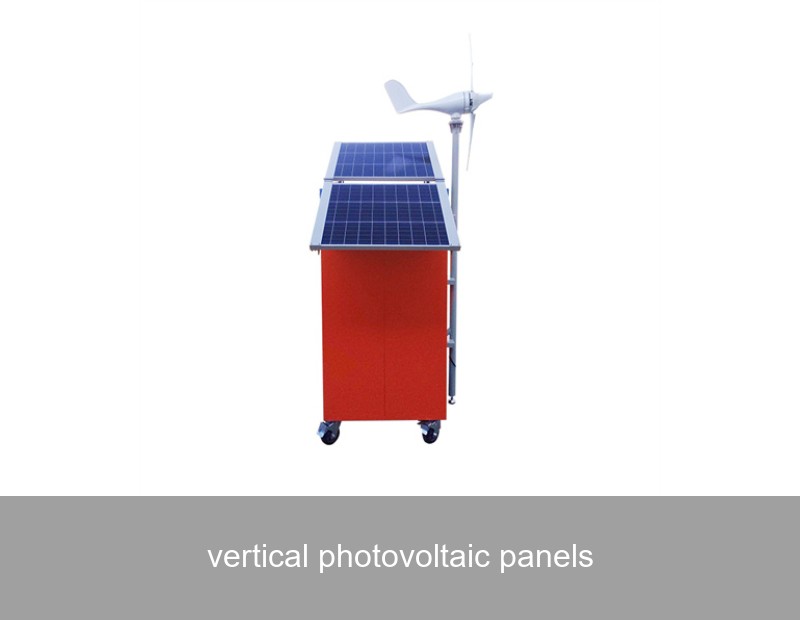
When we picture solar panels, the classic image is of dark rectangles tilted towards the sun on a rooftop. But what if we turned that idea on its side—literally? Enter vertical photovoltaic panels, an innovative mounting approach that is redefining where and how we can capture solar energy. This isn't just a theoretical concept; it's a practical solution gaining traction, especially in regions like Europe and North America where land constraints, seasonal sun angles, and dual-purpose land use are critical considerations. As a Senior Product Technology Expert at Highjoule, a global leader in advanced energy storage systems since 2005, I see firsthand how pairing such innovative generation with smart storage unlocks truly resilient power solutions for commercial, industrial, and residential applications.
Table of Contents
- The Phenomenon: Rethinking Solar's Footprint
- The Data & Potential: More Than Meets the Eye
- A Real-World Case Study: Agrivoltaics in Germany
- The Highjoule Role: Integrating Innovation with Intelligence
- Practical Insights and Considerations
- Looking Ahead: Your Energy Landscape
The Phenomenon: Rethinking Solar's Footprint
The drive for renewable energy is pushing us to get creative. Traditional south-facing (in the Northern Hemisphere), tilted arrays are highly efficient, but they require significant, dedicated space. This can be a challenge in urban settings, on agricultural land, or for industrial facilities with limited roof area but ample vertical facades. Vertical bifacial solar panels, installed on walls, fences, or as free-standing vertical rows, present a compelling alternative. They primarily capture sunlight in the morning and afternoon, which, as we'll see, has unique advantages. Think of it as capturing the sun's "sideways" energy throughout the day, rather than just the midday peak.

Image source: Unsplash. Example of integrated vertical solar design.
The Data & Potential: More Than Meets the Eye
You might be wondering, "Are vertical panels as efficient as traditional ones?" The answer is nuanced. A south-tilted panel will generally produce more total annual energy. However, the power profile of vertical systems tells a different, often more valuable story.
- Dual-Sided Harvesting: Modern vertical installations often use bifacial panels that generate power from both sides. This increases yield, especially with reflective surfaces (snow, light-colored ground) nearby.
- Peak Shifting: Vertical east-west facing panels produce twin peaks of generation—one in the morning and one in the late afternoon. This aligns better with typical electricity demand curves (when people wake up and return home) than a single midday peak.
- Land-Use Synergy: The true power of vertical PV shines in agrivoltaics. A 2022 study in Nature Sustainability highlighted that vertical systems between crop rows can minimize shading competition, allowing for successful co-location of agriculture and energy production.
- Reduced Soiling & Maintenance: Vertical orientation naturally sheds dust, snow, and debris more effectively, reducing maintenance costs and downtime.
| Configuration | Key Advantage | Ideal Application |
|---|---|---|
| South-Facing Tilted | Maximum Annual Energy Yield | Residential Rooftops, Solar Farms |
| Vertical Bifacial (E-W) | Better Peak Demand Alignment, Land-Use Synergy | Agrivoltaics, Building Facades, Highway Noise Barriers |
A Real-World Case Study: Agrivoltaics in Germany
Let's look at concrete data from an ongoing project. The "APV-Obstbau" project in Bavaria, Germany, led by the Fraunhofer Institute for Solar Energy Systems ISE, investigates agrivoltaics for fruit farming. Here, vertical bifacial PV panels are installed in rows amidst apple orchards.
- Data Point: The vertical configuration allows over 80% of the sunlight to pass through to the crops while generating significant electricity. The system has a peak capacity of 258 kW.
- Result: Preliminary data indicates the microclimate under the panels can protect crops from extreme weather like hail and intense sun, potentially reducing water usage. The energy generated powers the farm's operations, including irrigation and cold storage, with surplus fed into the grid.
- Implication: This dual use makes the land more productive and economically resilient. It's a powerful model for sustainable farming that could be replicated in many temperate climates across Europe and North America. You can read more about this innovative project directly from Fraunhofer ISE's press release.

Image source: Unsplash. Conceptual representation of agrivoltaic setup.
The Highjoule Role: Integrating Innovation with Intelligence
Innovative generation methods like vertical PV are fantastic, but their value multiplies when paired with intelligent storage. This is where Highjoule's expertise becomes critical. Our smart battery energy storage systems (BESS) are designed to optimize diverse energy inputs.
Consider the generation profile of vertical panels: strong morning and afternoon output, but lower midday production. A Highjoule system, like our H-Series Commercial Storage or Residential Energy Hub, can store excess power from those morning peaks and release it during the midday lull or the evening demand peak. This smooths out the generation curve, maximizes self-consumption, and provides greater energy independence.
For a farm using vertical agrivoltaics, our microgrid controllers and storage solutions can manage power between the panels, cold storage facilities, electric farming equipment, and the grid. This turns a sustainable farming operation into a robust, self-optimizing energy node. Since 2005, Highjoule has specialized in creating these tailored, intelligent systems that ensure no watt of your cleverly harvested solar energy goes to waste.
Practical Insights and Considerations
Is vertical PV right for you? It's not a one-size-fits-all replacement, but a powerful tool in the broader energy toolkit.
Where Vertical PV Excels:
- Agricultural Co-Location (Agrivoltaics): Minimizes competition for light, as demonstrated in the German case.
- Urban & Industrial Settings: Utilizing blank wall facades, parking lot barriers, or sound walls along highways.
- High-Latitude Regions: In countries like Germany or Canada, the sun is lower in the sky for much of the year, improving the relative performance of vertical surfaces.
- Seasonal Complement: It can complement traditional rooftop PV, especially by boosting winter yield when the sun is lower.
Key Factors for Evaluation:
- Local Climate & Latitude: A detailed site-specific yield simulation is essential.
- Energy Demand Profile: If your energy needs are higher in mornings/evenings, the vertical profile is advantageous.
- System Integration: This is paramount. The inverter and storage system must be configured to handle the unique dual-peak generation pattern efficiently.
Looking Ahead: Your Energy Landscape
The energy transition is about diversification and smart integration. Vertical photovoltaic panels are a vivid example of how rethinking a standard setup can open new doors for renewable adoption where it wasn't possible before. They challenge us to see every vertical surface and every piece of land as a potential dual-purpose asset.
At Highjoule, we are passionate about connecting innovative generation with state-of-the-art storage to build resilient, efficient, and sustainable energy systems. Whether you're a farmer looking to future-proof your operation, an industrial facility manager with vast wall space, or a homeowner with a unique architectural vision, the combination of creative solar and smart storage is worth exploring.
What unique space or challenge on your property could be reimagined as a source of clean, resilient power? We invite you to share your thoughts or challenges with our team of experts.
 Inquiry
 Online Chat