


Window Solar Panels for Apartments: A Clear Path to Energy Independence
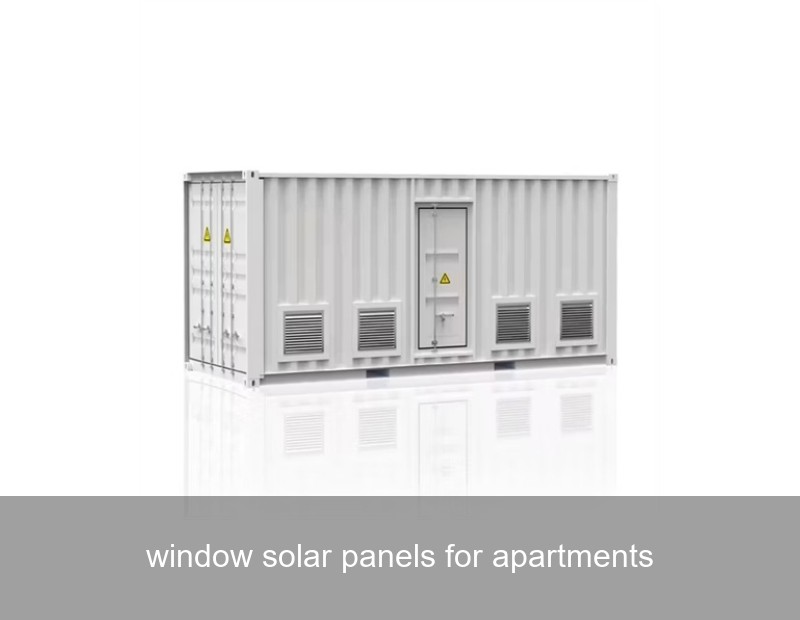
Imagine generating your own clean electricity, not from a sprawling rooftop array, but directly from the sunlight streaming through your apartment window. For millions of urban dwellers and renters, the dream of solar power has often felt out of reach. Traditional rooftop systems require structural approval, ownership, and significant space—a luxury in most multi-unit buildings. But what if the window itself could become a subtle, powerful energy generator? This is the emerging promise of window solar panels for apartments, a technology turning passive glass into active power producers and democratizing access to renewable energy.
Table of Contents
The Urban Solar Dilemma: A Wasted Resource
Cities are energy hubs, consuming over two-thirds of the world's power. Apartment buildings represent a massive portion of this demand, yet their vast vertical surfaces—especially windows—have been largely untapped. The phenomenon is clear: urban populations want to reduce their carbon footprint and electricity bills, but the conventional solar model fails them. The data underscores this gap. According to the International Energy Agency (IEA), distributed solar PV (like rooftop) is growing, but multi-tenant dwellings face unique "split incentive" barriers where owners may not pay bills and tenants can't install permanent systems.
This is where innovative building-integrated photovoltaics (BIPV), specifically transparent or semi-transparent solar cells for windows, enters the scene. It addresses the core issue: utilizing existing infrastructure without altering the building's aesthetics or requiring exclusive roof access.
How Do Window Solar Panels Actually Work?
Unlike opaque, silicon-based rooftop panels, window solar technologies are designed to let light through while capturing specific wavelengths. Think of it as high-tech tinting that generates power. Two primary technologies are leading the charge:
- Organic Photovoltaics (OPV): Lightweight, flexible, and made from carbon-based materials. They can be tuned for partial transparency and perform better in low-light conditions, ideal for vertical surfaces not always in direct sun.
- Perovskite Solar Cells: A rapidly advancing thin-film technology known for high efficiency potential and excellent transparency properties when engineered as a semi-transparent layer.
These panels are typically integrated into double-glazed window units, replacing the outer pane. They won't power your entire apartment alone, but their output is meaningful. A typical installation might generate between 50-150 watts per square meter of window, depending on technology and orientation. This energy is perfect for offsetting the constant "vampire load" from routers, smart devices, and lighting, or for charging a personal battery storage unit.

Image Source: Unsplash - Illustrative concept of a modern apartment window.
Real-World Impact: A Case Study from Berlin
Let's move from concept to concrete data. A pilot project in a Berlin residential tower, home to over 80 apartments, retrofitted south-facing balcony doors with semi-transparent OPV panels in 2022. Each door panel had a peak capacity of 120W. The goal was to supplement power for common areas and provide a direct, visible benefit to residents.
| Metric | Data |
|---|---|
| Total Installed Capacity | 8.4 kW |
| Annual Generation | ~6,800 kWh |
| Primary Use Case | Hallway LED lighting & elevator bank power |
| Annual CO2 Savings | Approx. 2.8 tonnes |
| Resident Engagement | 85% reported positive perception of building sustainability |
The project, monitored by the Fraunhofer Institute for Solar Energy Systems, proved the technical and social viability. It showed that window solar panels for apartments can reduce common area operating costs for building owners and tangibly demonstrate a commitment to green living for tenants—a powerful marketing tool in today's rental market.
Beyond the Panel: The Critical Role of Smart Storage
Here's a key insight often missed: the sun doesn't shine on your schedule. A window panel generating power at noon is of little use if you're at work and your peak consumption is in the evening. This mismatch makes energy storage not just an add-on, but an essential component for maximizing self-consumption and true energy independence in an apartment setting.
This is where companies like Highjoule become pivotal. While we don't manufacture solar windows, we specialize in the intelligent systems that make decentralized, small-scale renewable energy practical and powerful. For the apartment resident or building manager, the real value is realized when generation meets smart storage and management.
Highjoule's Integrated Solution for Apartment Energy Resilience
At Highjoule, with nearly two decades of expertise in advanced energy storage, we see window solar as a fantastic entry point for urban energy innovation. Our role is to ensure every kilowatt-hour generated is used effectively. For apartment-scale applications, our product ecosystem offers a seamless fit:
- Highjoule Cube Series: Our sleek, compact residential battery storage systems are designed for indoor installation, like a utility closet or basement storage unit. Paired with a window solar system via a compatible inverter, the Cube stores excess daytime energy for use at night, effectively increasing the solar share of your personal consumption by up to 70%.
- Highjoule Energy Management System (EMS): This is the "brain." Our smart EMS software intelligently decides when to store energy, when to use it, and when to draw from the grid based on real-time electricity prices and consumption habits. For a building manager, our commercial EMS can aggregate multiple window solar inputs and storage units across apartments to optimize the building's overall energy profile.
- Highjoule FlexPower for Microgrids: For forward-thinking property developers, integrating window solar across a facade, combined with a central Highjoule storage system, can create a resilient microgrid within the building. This enhances property value, provides backup power, and creates a compelling community sustainability story.

Image Source: Unsplash - Example of a compact, wall-mounted battery storage system.
The Future & Key Considerations for Adoption
The trajectory for window solar panels for apartments is promising, with efficiency and transparency improving yearly. However, widespread adoption hinges on a few factors:
- Landlord-Tenant Collaboration: Successful projects require aligned incentives. Lease addendums or energy-sharing agreements can be structured so both parties benefit from reduced costs.
- Building Codes & Retrofit Ease: The industry is moving towards standardized, easy-to-swap window units that simplify retrofits during scheduled renovations.
- The System Mindset: The biggest shift is viewing a window panel not as a standalone product, but as the first component in a personal energy system—generation + smart storage + intelligent management.
As the U.S. Department of Energy's BIPV research program highlights, integrating solar into the building envelope is key to achieving high penetration of solar in cities.
So, as you look at your sun-drenched apartment windows, what's the first question you would ask your landlord or homeowners' association about turning that potential into power? The conversation about urban energy independence is starting, and it's looking right through your window.
 Inquiry
 Online Chat