


Unlocking Energy Independence: The Power of the Zing Hybrid Energy Storage Cabinet
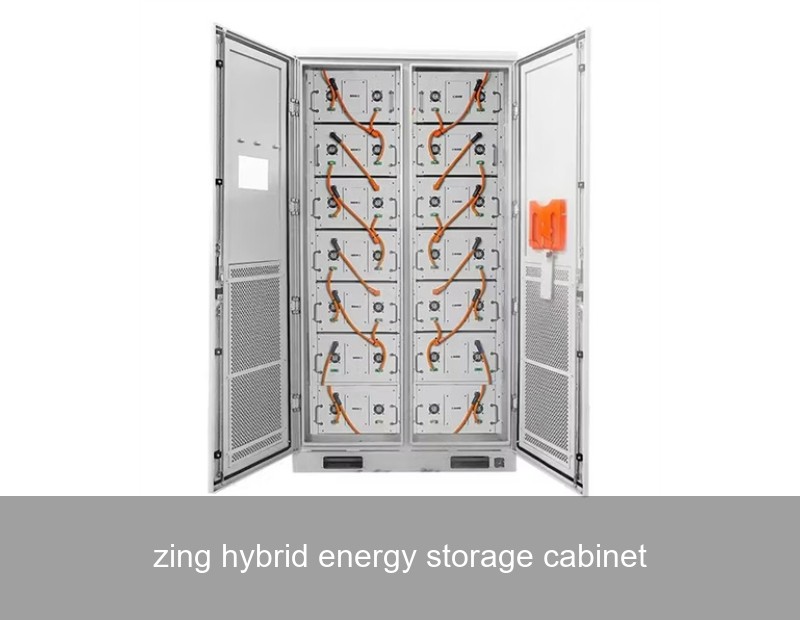
Have you ever watched your electricity meter spin wildly on a cloudy, windless afternoon, knowing your grid tariff just hit its peak? Or perhaps you're a business owner frustrated by the volatility of energy prices eating into your operational budget. This isn't just an inconvenience; it's a systemic challenge in our modern grid. The solution, however, is emerging not from a single source, but from intelligent integration. Enter the Zing hybrid energy storage cabinet – a sophisticated, all-in-one system designed to seamlessly combine different energy sources and storage technologies, creating a resilient and cost-effective power hub for your home or business. This isn't merely a battery box; it's the brain of your personal energy ecosystem.
Table of Contents
What Exactly is a Zing Hybrid Energy Storage Cabinet?
Let's break down the name. "Zing" implies energy and vitality. "Hybrid" is the key – it means the system integrates multiple components. Typically, this includes a lithium-ion battery for short-to-medium-term storage, a flow battery or supercapacitor sectionpower conversion systems (PCS) and energy management software (EMS). All these are housed in a single, weatherized "cabinet," a compact, plug-and-play unit. Think of it not as a single tool, but as a complete workshop for managing energy: it stores, converts, optimizes, and dispatches power based on algorithms and your specific needs.

Image: A modern hybrid energy storage system installation. Source: Unsplash (Representative image)
The Problem: Grid Intermittency, Price Volatility, and Inflexibility
The push for renewables is undeniable. In the US, solar and wind are the fastest-growing electricity sources. In Europe, the REPowerEU plan aims to massively accelerate clean energy deployment. But this creates a new phenomenon: the "duck curve." As solar floods the grid midday, prices plummet, even going negative. Then, as the sun sets and demand peaks, prices skyrocket, relying on fossil-fuel peaker plants.
The data is stark:
- Price Spikes: In some European markets, day-ahead electricity prices have seen fluctuations exceeding 300% within a 24-hour period during energy crises.
- Intermittency: A solar array's output can drop to zero at night, while wind can be unpredictable for days.
- Grid Stress: Increased renewable penetration can cause voltage and frequency instability, threatening reliability.
Traditional single-technology batteries help, but they have limitations. Lithium-ion excels at short bursts but can degrade with constant full cycling. They might not be ideal for the long, cloudy periods common in Northern Europe. This is where the hybrid approach shines.
The Solution: How a Hybrid Cabinet Creates Intelligence and Resilience
A Zing hybrid energy storage cabinet tackles these issues through technological synergy. Its integrated Energy Management System (EMS) is the true genius, making real-time decisions to optimize for cost, longevity, and carbon footprint.
| Component | Role in the Hybrid System | Benefit |
|---|---|---|
| Lithium-ion Battery | Handles daily cycling, peak shaving, and fast response. | High energy density, perfect for daily solar load-shifting. |
| Flow Battery Module | Provides long-duration storage (4-12+ hours), deep cycling. | No degradation from deep discharges, ideal for multi-day autonomy. |
| Advanced Power Conversion System (PCS) | Bidirectional inverter that manages AC/DC conversion for all sources. | Seamlessly connects solar, grid, and batteries; ensures grid compliance. |
| Energy Management System (EMS) | The "brain" that controls all components based on weather, tariffs, and usage. | Maximizes ROI, extends hardware life, and optimizes self-consumption. |
In practice, the EMS might use the lithium battery to cap your daily peak demand from the grid, saving on costly demand charges. It would then reserve the flow battery section to power critical loads overnight or during a prolonged grid outage. This multi-tool approach extends the life of each component and ensures you always have the right technology for the energy challenge at hand.
Where Highjoule Powers the Hybrid Revolution
This is where Highjoule's nearly two decades of expertise becomes critical. Designing a truly effective hybrid system isn't about simply putting different batteries in one box. It's about deep system integration, sophisticated control algorithms, and robust safety engineering. Highjoule's EnerSync Pro Hybrid Series embodies this principle. These cabinets are pre-engineered solutions that combine our proprietary battery management technology with advanced grid-forming inverters and an AI-driven EMS platform. For commercial and industrial clients, this means a turnkey solution that reduces installation complexity and delivers predictable performance, whether the goal is demand charge reduction, backup power, or participating in grid service markets.
Case Study: Sustainable Winemaking in Napa Valley with Hybrid Storage
Let's look at a real-world application. A prestigious winery in Napa Valley, California, faced a triple challenge: high peak demand charges from their energy-intensive cooling and fermentation processes, a desire to run on 100% renewable energy, and a need for backup power during Public Safety Power Shutoffs (PSPS) to protect millions of dollars worth of inventory.
Their Solution: A 500 kW solar canopy array paired with a Highjoule EnerSync Pro Hybrid Cabinet. The system featured a 400 kWh lithium-ion battery bank and a 200 kWh vanadium flow battery module.
- Demand Charge Reduction: The lithium-ion system shaved peak loads by 95%, reducing monthly demand charges by over $8,000.
- Long-Duration Backup: During a 36-hour PSPS event, the flow battery provided uninterrupted power to critical refrigeration units, while the lithium system handled shorter, high-power loads. The winery estimated prevented loss of over $250,000 in product.
- Self-Consumption: The system increased solar self-consumption from 60% to over 95%, virtually eliminating daytime grid imports.
This case, documented in part by the California Energy Commission's research on storage, highlights how the hybrid approach solved distinct problems that a single battery type would have struggled with economically.

Image: Solar installation at a vineyard, similar to the case study. Source: Unsplash
Highjoule: Your Partner in Building a Resilient Energy Future
Since 2005, Highjoule has been at the forefront of making advanced energy storage accessible and reliable. Our journey from specialized industrial systems to intelligent, AI-driven solutions for homes, businesses, and microgrids has given us a unique perspective. We understand that the future of energy is not monolithic; it's adaptive, integrated, and smart. Our services extend beyond hardware:
- Feasibility & System Design: Our experts analyze your load profiles, local tariffs, and goals to design the optimal hybrid mix.
- Turnkey Installation & Integration: We manage the entire process, ensuring seamless integration with existing solar, generators, or the grid.
- Remote Monitoring & Performance Guarantees: Our cloud-based platform provides 24/7 system visibility, and we offer performance warranties for peace of mind.
- Grid Services Support: For qualified systems, we can enable participation in demand response or frequency regulation programs, creating new revenue streams.
For a homeowner in Germany looking for Energieautarkie (energy autonomy), or a factory in Texas aiming to lock in energy costs, Highjoule's hybrid solutions provide the tailored, robust answer.
The Future of Your Energy: What's Your Next Step?
The energy landscape is shifting from a one-way street to a dynamic, interactive network. The Zing hybrid energy storage cabinet represents a pivotal tool in this transition, offering unparalleled flexibility and intelligence. It transforms energy from a mere commodity into a strategic asset you can control.
So, we leave you with this question: As you look at your next energy bill or consider your sustainability roadmap, what specific challenge – be it cost, reliability, or carbon goals – would you want a hybrid system to solve first for you?
 Inquiry
 Online Chat