


10kVA Solar System in South Africa: Your Gateway to Energy Independence
Imagine this: you're running a business or powering a large home in South Africa. The lights flicker, the grid goes down—again—and productivity grinds to a halt. This isn't just an inconvenience; it's a direct hit to your bottom line and daily comfort. For many across South Africa, from the bustling streets of Johannesburg to the coastal hubs of Cape Town, this scenario is all too familiar. This is where a robust, well-planned 10kVA solar system in South Africa steps in, not merely as a backup, but as a transformative solution for energy security and cost savings. But what does a 10kVA system truly offer, and how do you ensure it's built to last in the unique South African context? Let's demystify the power and potential of this popular solar system size.
Table of Contents
Why 10kVA? Understanding Your Power Profile
A 10kVA (kilovolt-ampere) solar system, often equated to roughly an 8kW output, is a significant installation. It's a tier that moves beyond basic residential needs into the realm of small-to-medium businesses, large households, or agricultural operations. Think of it as the workhorse of solar solutions. It's designed to handle substantial daily energy consumption—typically between 35 to 45 kWh per day.
Who is it for? This system is ideal for:
- Medium-Sized Businesses: Offices, workshops, retail stores, and clinics.
- Large Residential Homes: Homes with multiple air conditioners, swimming pool pumps, and full electric kitchens.
- Agricultural Operations: Powering irrigation systems, cold storage, and processing equipment.
- Remote Operations: Sites where grid connection is unreliable or prohibitively expensive.
The appeal in the South African market is particularly strong. With Eskom's ongoing challenges and frequent load-shedding stages, a 10kVA system with sufficient battery storage doesn't just reduce electricity bills; it ensures business continuity and household resilience. It provides the power to run essential and high-demand equipment simultaneously, turning a vulnerability into a strategic advantage.
The Core Components: More Than Just Panels
A successful 10kVA solar system in South Africa is a symphony of components, each playing a critical role. Getting the balance right is what separates a system that merely functions from one that excels for decades.
| Component | Role & Specification | Why It Matters |
|---|---|---|
| Solar Panels | ~20-24 panels (450W each) | High-efficiency, durable panels are crucial for maximizing South Africa's abundant sunshine. They are your fuel source. |
| Inverter | 10kVA Hybrid Inverter | The brain of the system. A hybrid model allows you to use solar, charge batteries, and export to the grid if allowed. Its reliability is non-negotiable. |
| Battery Storage | 10-20 kWh Lithium-ion | The heart of energy independence. It powers your nights and shields you from blackouts. Quality here determines your off-grid runtime. |
| Mounting & Cabling | Commercial-grade | Must withstand high winds, heat, and UV exposure. Inferior materials lead to premature failure and safety risks. |
The inverter and battery are the linchpins. A common pitfall is pairing a high-quality solar array with an undersized or low-grade battery system. This leaves you with abundant solar energy you can't use when you need it most—during evening peaks and grid outages.
The Storage Imperative
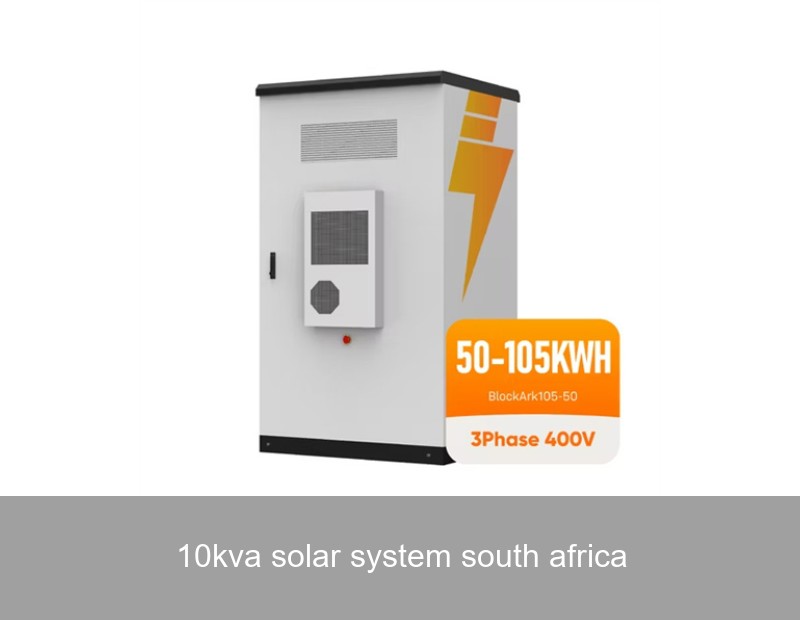
South Africa's solar potential is world-class, but the sun doesn't shine at night. This is where advanced battery energy storage systems (BESS) become the cornerstone of a true energy solution. Modern lithium-ion batteries, like lithium iron phosphate (LiFePO4), offer longer lifespans, deeper safe cycling, and better thermal stability than older technologies—a vital feature under the African sun.
A South African Case Study: From Load-Shedding to Leadership
Let's move from theory to practice. Consider the case of a mid-sized winery in the Western Cape. Facing Stage 4-6 load-shedding, their refrigeration units, bottling lines, and administrative operations were at constant risk. A power outage during fermentation could mean a total loss of a vintage.
The Challenge: Ensure 24/7 power for critical cold storage and processing, reduce operational costs, and maintain export-quality production standards.
The Solution: A tailored 10kVA solar system was installed, featuring:
- High-efficiency bifacial solar panels to capture light from all angles.
- A robust 10kVA hybrid inverter system.
- A scalable Highjoule H-Stack modular battery system with an initial 15kWh capacity, designed for easy expansion.
The Results (12-month period):
- Energy Cost Reduction: 75% decrease in grid electricity consumption.
- Reliability: Zero production downtime due to load-shedding.
- ROI: Projected payback period of 5-6 years, factoring in rising municipal tariffs.
- Sustainability: Carbon footprint reduced by an estimated 18 tonnes of CO2 annually.
This case underscores that a 10kVA system is not an expense but a capital investment with clear, measurable returns in the South African context.

Image Source: Unsplash (Representative image of commercial solar installation)
The Highjoule Advantage: Intelligent Storage for a Demanding Climate
As a global leader in advanced energy storage since 2005, Highjoule understands that a one-size-fits-all approach fails in complex energy environments like South Africa. Our solutions are engineered for intelligence, durability, and seamless integration.
For a 10kVA solar system, our H-Stack Modular Battery System is a game-changer. Unlike rigid single units, H-Stack allows you to start with the storage you need and add modules as your energy demands grow. This future-proofs your investment. Paired with our AI-powered Energy Management System (EMS), it doesn't just store power—it optimizes it. The EMS learns your consumption patterns, prioritizes solar self-consumption, and can be programmed to navigate complex utility tariff structures, ensuring you use the cheapest available energy at all times.
Our hybrid inverters are built to the highest industrial standards, offering superior efficiency and grid-assist functions. For commercial and industrial clients, Highjoule provides comprehensive microgrid solutions, enabling facilities to operate as an independent energy island during prolonged outages, a critical capability for South African businesses. We don't just sell components; we provide end-to-end smart, efficient, and sustainable power solutions backed by deep technical expertise.

Image Source: Unsplash (Representative image of modular battery storage system)
Planning Your System: Key Considerations
Embarking on your solar journey requires careful planning. Here are the essential steps:
- Energy Audit: Analyze 12 months of electricity bills. Identify your baseload and peak demand. Tools like the U.S. Department of Energy's Energy Saver guides offer great principles applicable anywhere.
- Site Assessment: A professional will evaluate your roof's orientation, shading, and structural integrity. Ground-mounted systems are also an option.
- Quality Over Price: Opt for Tier-1 panels, certified inverters, and reputable battery brands with strong warranties. The South African climate demands robust equipment.
- Installation Partner: Choose a certified, experienced installer with a proven track record. They are as important as the equipment itself.
- Regulations & Incentives: Stay informed on municipal grid-connection bylaws and the latest NERSA guidelines. While South Africa's tax incentives for renewables have evolved, the primary driver remains long-term cost savings and security.
The Future is Bright and Self-Powered
The conversation around energy in South Africa has irrevocably shifted. It's no longer about *if* one should go solar, but *how* to do it most effectively. A 10kVA solar system represents a powerful commitment to taking control. It's a statement that your home's comfort or your business's operations are too important to be left at the mercy of an unstable grid.
With the right technology partner, this system becomes an intelligent asset, actively managing and storing the abundant energy overhead to power your ambitions on the ground. The question now is, what will you power first when you unlock your own energy independence?
Is your business or home ready to design a resilient energy future? What's the first piece of equipment you'd ensure never goes offline again?
 Inquiry
 Online Chat