


Is a 10kW Solar System in Sweden Right for Your Home? A Comprehensive Guide
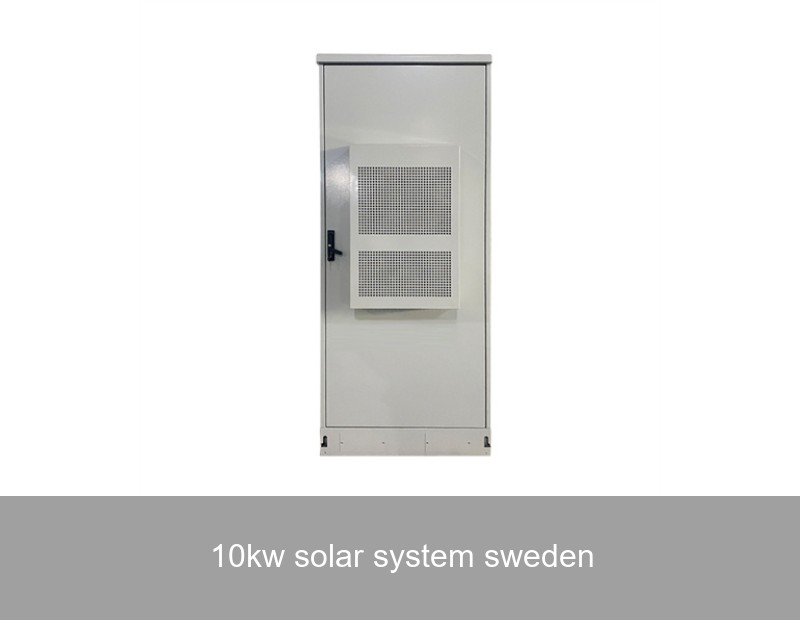
As electricity prices in Sweden continue to be a topic of household discussion, and the drive for energy independence grows stronger, many homeowners are looking skyward for a solution. The sun, a surprisingly potent energy source even at northern latitudes, holds the key. A 10kW solar system in Sweden has emerged as a popular and powerful choice for families seeking to slash their energy bills and carbon footprint. But is it the right fit for your villa? This guide will walk you through the realities, the data, and what you can truly expect from harnessing the Swedish sun.
Table of Contents
What Exactly is a 10kW Solar System?
Let's break it down simply. A 10kW (kilowatt) solar system refers to the combined peak power output of its solar panels under ideal laboratory conditions. In practical terms, it's a substantial residential installation, typically consisting of 25-30 high-efficiency solar panels, covering roughly 50-70 square meters of your roof. It's designed not just to offset a significant portion of your home's electricity consumption but, in many cases, to produce a surplus you can manage intelligently.
Solar Potential in Sweden: Shattering the Latitude Myth
"But we're so far north!" is a common reaction. The phenomenon we must understand is that while Sweden has fewer daylight hours in winter, it enjoys exceptionally long and bright summer days. This seasonal variation creates a unique production curve. Crucially, modern high-efficiency panels perform better in cooler temperatures, and snow cover can even reflect light, boosting production in spring. According to data from the Swedish Energy Agency, the annual global horizontal irradiation in Stockholm is around 980 kWh/m²—sufficient to make solar photovoltaics a viable and cost-effective investment.

Solar installations are increasingly common on Swedish homes, proving their effectiveness. Source: Wikimedia Commons
Real-World Output and Financial Performance
So, what can a 10kW system generate in Sweden? You won't get 10kW every hour of the year. Annual production is the key metric. In southern Sweden (Malmö), a well-oriented 10kW system can produce approximately 9,000 - 10,000 kWh per year. In central regions (Stockholm), expect 8,500 - 9,500 kWh, and in the north (Umeå), around 8,000 - 9,000 kWh. For context, the average Swedish household consumes between 8,000-10,000 kWh annually. This means a 10kW system can often cover 80-100% of a family's electricity needs over the course of a year.
| Region | Estimated Annual Production (kWh) | Potential Coverage of Avg. Household Use* |
|---|---|---|
| Southern Sweden (e.g., Malmö) | 9,000 - 10,500 | ~90-105% |
| Central Sweden (e.g., Stockholm) | 8,500 - 9,800 | ~85-98% |
| Northern Sweden (e.g., Umeå) | 8,000 - 9,200 | ~80-92% |
*Based on avg. household consumption of 10,000 kWh/year. Source: Highjoule Project Data Analysis.
The Storage Question: Maximizing Your Solar Investment
Here's the catch: you produce most during the sunny summer days, but consume more during dark winter evenings. Without a battery, you export surplus summer energy to the grid for a credit (often lower than the import price) and import energy in winter. This is where adding a battery energy storage system (BESS) transforms your setup. It allows you to store your daytime surplus for use in the evening, dramatically increasing your self-consumption rate from maybe 30-40% to 70% or more. You become less reliant on grid price fluctuations.
Case Study: The Andersson Family in Västerås
Let's look at real data. The Andersson family installed a 10.2kW solar array on their south-east facing roof in 2022. They paired it with a Highjoule HJ-PowerStack 13.5 battery storage unit (13.5 kWh usable capacity).
- System: 28 x 365W panels + Highjoule HJ-PowerStack 13.5.
- First-Year Production: 9,150 kWh from solar.
- Result: Their self-consumption rate jumped to 76%. They managed to cover 94% of their total annual electricity needs directly from their own system. Their calculated payback period, considering the then-available subsidies, was under 8 years.
"The game-changer was seeing our battery kick in every evening," says Johan Andersson. "We hardly draw from the grid between April and September. The Highjoule system's app shows us exactly where our power is going, which makes us more conscious consumers."
Key Components for a Robust 10kW System in Sweden
Not all systems are created equal, especially facing Swedish winters. Here’s what matters:
- High-Efficiency, Tier-1 Solar Panels: Look for panels with strong low-light performance and a solid warranty against degradation.
- A Hybrid or Storage-Ready Inverter: This is the brain. It must handle both DC from panels and AC for your home/battery. For a 10kW system, you need a durable inverter capable of managing the full array's potential output.
- A Climate-Appropriate Battery: This is critical. Batteries installed in unheated garages or utility rooms must operate efficiently in sub-zero temperatures. Look for systems with built-in thermal management.
- Smart Energy Management System (EMS): Intelligent software that learns your consumption patterns and optimizes when to store, use, or sell energy.
How Highjoule Ensures Your Swedish Solar System Excels
At Highjoule, with nearly two decades of experience in global energy markets, we understand that a system is more than just hardware. Our approach for homeowners in Sweden and across Europe is holistic:
We provide the Highjoule HJ-SolarPlus integrated package, perfectly sized for installations like a 10kW array. It combines premium panels with our flagship HJ-PowerStack modular battery system. The PowerStack is engineered with an advanced liquid cooling and heating system, ensuring stable performance and long life even in harsh Scandinavian winters—a feature many standard batteries lack.
More importantly, our HJ-EnergyOS platform turns your system into an intelligent asset. It doesn't just monitor production; it provides actionable insights, allows for tariff-based optimization (charging the battery when grid electricity is cheapest), and can integrate with future smart home devices. We don't just sell a product; we provide a sustainable power solution backed by long-term performance monitoring and support.

A modern home battery system, like the Highjoule HJ-PowerStack, is key to maximizing solar self-consumption. Source: Unsplash
Your Next Step Towards Energy Independence
The journey to a 10kW solar system in Sweden begins with a personalized assessment. It's not just about your roof size, but your family's unique energy rhythm. What time do you typically use electricity? What are your future plans—perhaps an electric vehicle or a heat pump? These factors determine the ideal configuration of panels and storage for you.
Given your home's specific location, roof angle, and energy goals, what mix of solar and storage would deliver the fastest return on investment and the greatest peace of mind for you?
 Inquiry
 Online Chat