


Power Through the Night: Your Complete Guide to a 10kW Solar System with Battery Backup
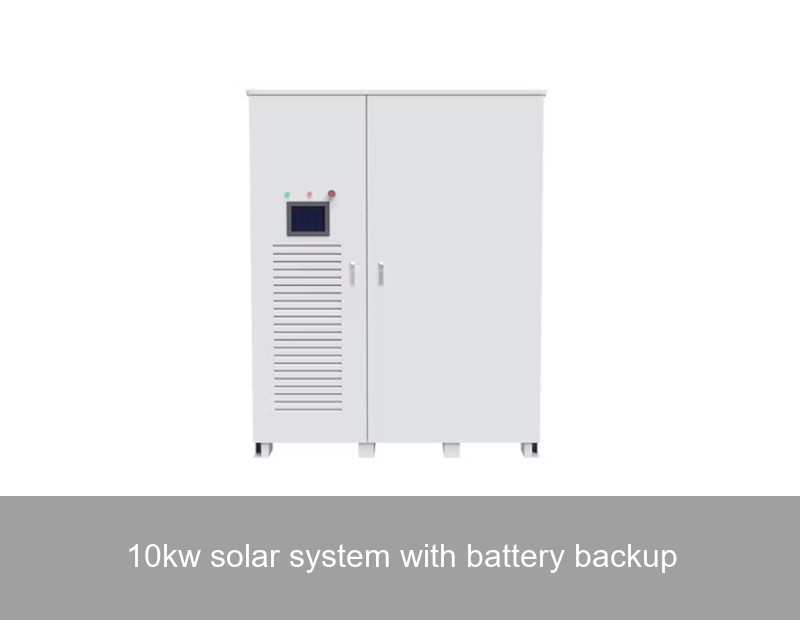
Imagine this: a storm knocks out the grid in your neighborhood. While others scramble for flashlights, your home remains brightly lit, your refrigerator hums quietly, and your Wi-Fi stays on. This isn't just resilience; it's energy independence. For homeowners in Europe and the US seeking true power security and maximized solar investment, the 10kW solar system with battery backup has emerged as the gold-standard solution. This comprehensive guide will walk you through why this specific configuration is so powerful, what it can truly achieve, and how modern technology makes it smarter than ever.
Table of Contents
The Phenomenon: From Sun Consumers to Prosumers
Home energy is undergoing a radical shift. A decade ago, rooftop solar was primarily about reducing electricity bills. Today, with increasing grid instability and the desire for sustainable living, the goal is control. Homeowners no longer want to be passive consumers; they want to be "prosumers"—producing, storing, and managing their own energy. A 10kW solar system with battery backup is the ultimate tool for this transition. It's sized to significantly offset the energy use of a large home while the battery acts as a personal energy reservoir, ensuring the sun's power is available 24/7, not just when it's shining.
Image: A modern energy-independent home. Source: Unsplash
By the Numbers: What a 10kW Solar + Battery System Delivers
Let's break down the capacity. A 10kW solar array, depending on your location (like sun-rich Southern Europe or California vs. Northern Europe), can generate between 11,000 to 15,000 kWh of electricity per year. For context, the average U.S. household consumes about 10,600 kWh annually(U.S. EIA). This means the system can often cover 100%+ of your annual consumption.
But the game-changer is the battery. Pairing it with a battery backup system, typically in the 10-20 kWh range, addresses solar's Achilles' heel: nighttime and cloudy days. Here’s a simple table of what such a system can power during an outage:
| Appliance/System | Estimated Wattage | Runtime on a 15kWh Battery* |
|---|---|---|
| Refrigerator | 150-400W | 40+ hours |
| LED Lighting (Whole Home) | 100-300W | 50+ hours |
| Wi-Fi & Modem | 20W | 750+ hours |
| Furnace Blower | 800W | 18+ hours |
| Well Pump | 1,000W | 15+ hours |
*Runtime varies based on battery depth of discharge, inverter efficiency, and simultaneous load management.
A Real-World Case: The Smith Family in California
Let's look at a concrete example. The Smith family in Sacramento, California, installed a 10.2kW solar system with a 16kWh lithium iron phosphate (LFP) battery in early 2022. Their motivations were clear: avoid Public Safety Power Shutoffs (PSPS) and skyrocketing time-of-use rates.
- Solar Generation: 14,800 kWh
- Home Consumption: 13,100 kWh
- Grid Exports: 5,200 kWh (credited)
- Grid Imports: 3,500 kWh (mostly at night before optimizing settings)
- Outages Mitigated: 4 grid outages, longest being 14 hours. The home maintained "essential loads" seamlessly.
- Financial Impact: Their annual electricity cost dropped from ~$2,800 to a net credit of $150, effectively eliminating their bill and providing security.
This case shows the dual benefit: economic gain and operational resilience. The Smiths now use their battery to strategically store solar energy in the afternoon and use it during peak evening rates, a process known as arbitrage.
Key Components of a Robust 10kW Backup System
Not all systems are created equal. A reliable 10kW solar system with battery backup consists of harmonized components:
- Solar Panels (≈28-30 panels): High-efficiency monocrystalline panels are the standard for maximizing roof space.
- Inverter(s): The brain of the system. You'll likely need a hybrid inverter or a combination of string inverters with a battery-ready inverter. This converts DC from panels and batteries to AC for your home.
- Battery Bank (10-20 kWh): Lithium-ion, particularly LFP chemistry, is preferred for its long lifespan, safety, and stability. It's the heart of your backup power.
- Energy Management System (EMS): The true intelligence. This software decides when to charge, discharge, export, or import based on weather forecasts, usage patterns, and tariff schedules.
The Highjoule Solution: Intelligent Energy Management
This is where expertise and technology make all the difference. At Highjoule, we've been engineering advanced energy storage solutions since 2005. For a residential 10kW solar system with battery backup, we don't just provide components; we deliver an integrated, intelligent ecosystem.
Our Highjoule HEMS (Home Energy Management System) is the cornerstone. It transforms your system from a passive generator into an active grid partner. Imagine your system automatically:
- Charging the battery with excess solar instead of selling it at low rates.
- Discharging during peak grid demand when electricity prices are highest, saving you money.
- Creating a "storm watch" mode, where it pre-charges the battery to 100% if a grid outage is predicted.
- Providing you with granular, real-time data on your production, consumption, and storage via a user-friendly app.
We pair this intelligence with our robust Highjoule Volta Series LFP batteries, known for their 6,000+ cycle life and seamless integration. For the 10kW solar application, our certified installers will design a system that ensures your critical loads are always covered, and your financial returns are maximized.

Image: A smart energy management system dashboard. Source: Unsplash
Making the Decision: Is It Right for You?
Investing in a 10kW solar system with battery backup is a significant step toward energy independence. To determine if it's the right fit, consider these factors:
- Your Energy Profile: Analyze your past year's electricity bills. Do you have high consumption, especially in the evening? A 10kW system is ideal for larger homes (3,000+ sq ft) with electric vehicles or high usage.
- Local Climate & Incentives: Abundant sun increases ROI. Crucially, research local incentives! The U.S. federal tax credit (ITC) still applies to solar + storage(U.S. Department of Energy), and many European countries offer grants or favorable feed-in tariffs.
- Grid Reliability & Goals: Are outages common? Is your goal purely financial, or is security a primary driver? Batteries add cost but transform the value proposition.
Beyond Backup: The Bigger Picture
Your home battery isn't just for you. When aggregated, thousands of systems like these form a "virtual power plant" (VPP), supporting the wider grid during times of stress and accelerating the transition to renewables. By choosing a smart system, you're contributing to a more stable and sustainable energy future for your community.
So, as you contemplate taking control of your power, what will be the first load you ensure is always on when the grid goes down? Is it your home office, your medical equipment, or simply the peace of mind that comes with a lit, safe, and comfortable home?
 Inquiry
 Online Chat