


12kW Solar System with Battery Storage: The Complete Guide for Energy Independence
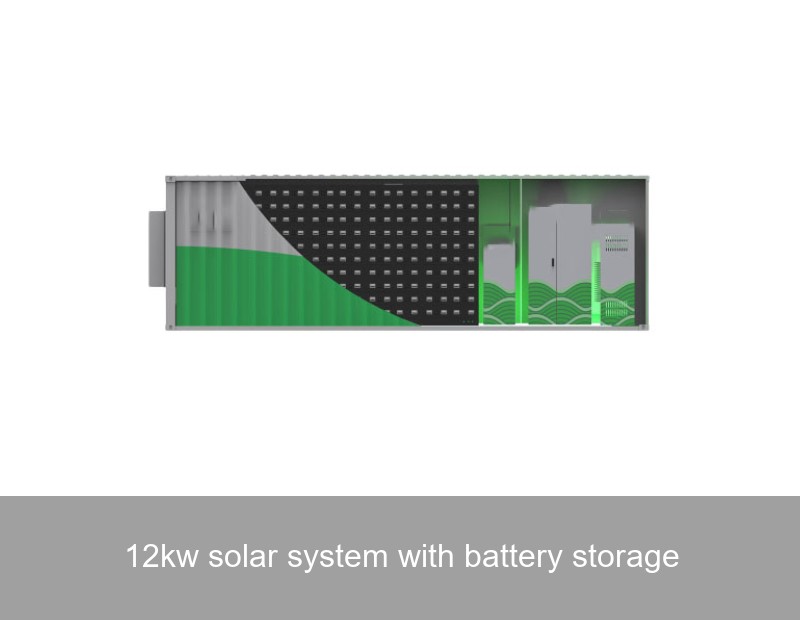
Imagine this: your solar panels are working hard under the midday sun, but you're at the office. All that beautiful, clean energy is flowing back to the grid. Then, evening comes. You're home, cooking dinner, watching TV, and the lights are on—but your solar panels are asleep. You're drawing power from the grid, often at peak rates. This is the fundamental puzzle of solar energy without storage. A 12kW solar system with battery storage solves this puzzle elegantly, transforming a one-way solar setup into a personal energy hub. For homeowners and small business owners in Europe and the US seeking true energy resilience and maximized savings, this combination is becoming the gold standard. In this guide, we'll break down why this specific pairing is so powerful and how companies like Highjoule are making intelligent energy management more accessible than ever.
Table of Contents
- Understanding the 12kW Solar + Battery Powerhouse
- Why Battery Storage is a Game-Changer
- A Real-World Case Study: The Berlin Household
- The Highjoule Solution: Intelligent Energy Orchestration
- Key Considerations Before You Invest
- Your Next Step Towards Energy Independence
A modern home equipped with a solar and battery storage system. The battery unit, often installed on an exterior wall or in a garage, is the key to unlocking 24/7 solar power.
Understanding the 12kW Solar + Battery Powerhouse
Let's decode the numbers. A 12-kilowatt (kW) solar system is a robust, high-output setup. Typically composed of 30-40 high-efficiency panels, it can generate approximately 14,000 to 18,000 kWh of electricity per year in sunnier parts of the US (like California or Arizona) and around 10,000 to 12,000 kWh in many European climates (like Germany or the UK). For context, the average US household consumes about 10,600 kWh annually, while a typical German household uses around 3,500 kWh. This means a 12kW system can often cover 100% of a high-consumption home's needs and even generate a significant surplus.
But generation is only half the story. Pairing it with a battery storage system—like Highjoule's ResiCore 10 or 15 battery units—captures that surplus. Instead of sending excess power back to the grid for a minor feed-in tariff, you store it in your home. Think of it as filling your personal energy "savings account" during the day to make withdrawals at night.
Key Components of the System
- Solar Panels (12kW capacity): The primary energy harvesters.
- Inverter(s): Converts the panels' direct current (DC) into usable alternating current (AC) for your home. Hybrid inverters can also manage battery charging.
- Battery Bank: The heart of storage. Lithium-ion phosphate (LFP) batteries, like those used by Highjoule, are the industry standard for safety and longevity.
- Energy Management System (EMS): The intelligent brain. Highjoule's SmartHub EMS software decides when to charge the battery, power the home, or export to the grid, optimizing for self-consumption and cost.
Why Battery Storage is a Game-Changer: From Savings to Security
The shift towards adding batteries is driven by three powerful trends: declining battery costs, rising electricity prices, and increasing grid instability. According to the International Energy Agency (IEA), the cost of lithium-ion batteries has fallen by over 90% since 2010. This makes the addition of storage to a 12kW solar system with battery storage a financially sound decision for many.
| Benefit | Without Battery Storage | With Highjoule Battery Storage |
|---|---|---|
| Self-Consumption | Typically 30-50% of solar energy used directly | 80% or higher, drastically reducing grid purchases |
| Bill Savings | Moderate, dependent on net metering policies | Maximized by avoiding peak-time grid electricity |
| Backup Power | No backup during grid outages (solar shuts off) | Seamless, automatic backup for essential loads |
| Grid Services | Passive participant | Potential for revenue via virtual power plant (VPP) programs |
A Real-World Case Study: The Müller Family in Berlin
Let's look at concrete data from a 2023 installation in Berlin, Germany. The Müller family lives in a detached home with an electric heat pump and one EV. Their annual consumption is 9,200 kWh. They installed a 12.3kW solar array paired with a Highjoule ResiCore 15 battery system (15 kWh usable capacity).
- Solar Generation: 11,800 kWh
- Self-Consumption Rate: Increased from an estimated 35% to 92%.
- Grid Import: Reduced by 86%, from 8,500 kWh to just 1,200 kWh.
- Annual Energy Cost Savings: €2,150 (factoring in Germany's high electricity prices of ~€0.35/kWh and the diminished feed-in tariff).
- Backup Events: The system provided uninterrupted power during three short grid outages, totaling 5 hours.
"The system isn't just about saving money," said Mr. Müller. "It's about peace of mind. During the winter energy crisis talks, we felt insulated. Our Highjoule system gives us control." This case highlights how a correctly sized 12kW solar system with battery storage can deliver both financial and psychological resilience.

Modern energy management systems provide clear insights into your energy flows, showing solar production, home consumption, and battery charge status in real-time.
The Highjoule Solution: Intelligent Energy Orchestration
At Highjoule, we believe a battery is more than just a box that stores electricity. Since 2005, we've evolved from a component supplier to a global provider of intelligent, integrated energy systems. Our approach to a 12kW solar system with battery storage centers on orchestration.
Our ResiCore battery series, built with safe LFP chemistry, is designed for daily cycling and a long lifespan. But the true magic lies in our SmartHub EMS. This platform uses weather forecasting, electricity price signals (in deregulated markets), and your usage patterns to make intelligent, automatic decisions. Should it charge the battery from solar now because a cloudy afternoon is forecast? Should it discharge during the 6 PM peak rate period or hold reserve for a potential outage? SmartHub handles this, optimizing for your priorities—whether that's maximum savings, maximum green consumption, or maximum backup readiness.
For larger applications, like small businesses or microgrids, our GridShield industrial battery storage systems offer scalable power. This integrated hardware and software approach ensures our customers don't just have a system, they have a strategic energy asset.
Key Considerations Before You Invest
Is a 12kW solar + battery system right for you? Ask these questions:
- Your Energy Consumption: Do you have high usage (e.g., over 8,000 kWh/year), an EV, or electric heating/cooling? A 12kW system is ideal for high-demand profiles.
- Roof Space and Orientation: You'll need approximately 60-80 sq. meters of south-facing (Northern Hemisphere) roof space with minimal shading.
- Local Regulations & Incentives: Research is key. The US Federal Investment Tax Credit (ITC) now covers 30% of the cost of solar AND standalone storage. Many European countries offer grants or low-interest loans.
- Battery Sizing: A battery sized between 10-20 kWh often pairs well with a 12kW array. Highjoule experts conduct a detailed load analysis to recommend the perfect capacity to cover your critical loads overnight and during outages.
- Installation Partner: Choose a certified, experienced installer familiar with integrating both components seamlessly. Highjoule works with a vetted network of partners across Europe and North America.
Your Next Step Towards Energy Independence
The journey from being a passive consumer to an active energy producer and manager is exciting. The technology, exemplified by a sophisticated 12kW solar system with battery storage, is proven and ready. The economic case grows stronger as grid prices fluctuate. But beyond spreadsheets, it's about taking tangible control of your power, your costs, and your carbon footprint.
What would you do with the security of knowing your lights, refrigerator, and internet stay on during the next storm or grid disruption? How would you redesign your energy spending if you could lock in a much lower, predictable rate for the next 20+ years?
We invite you to explore what a personalized energy independence plan looks like. What's the first question you'd ask our energy specialists about powering your home or business with a solar and battery system?
 Inquiry
 Online Chat