


The 24V 100Ah Lithium Battery: Your Complete Guide to Reliable, Sustainable Power
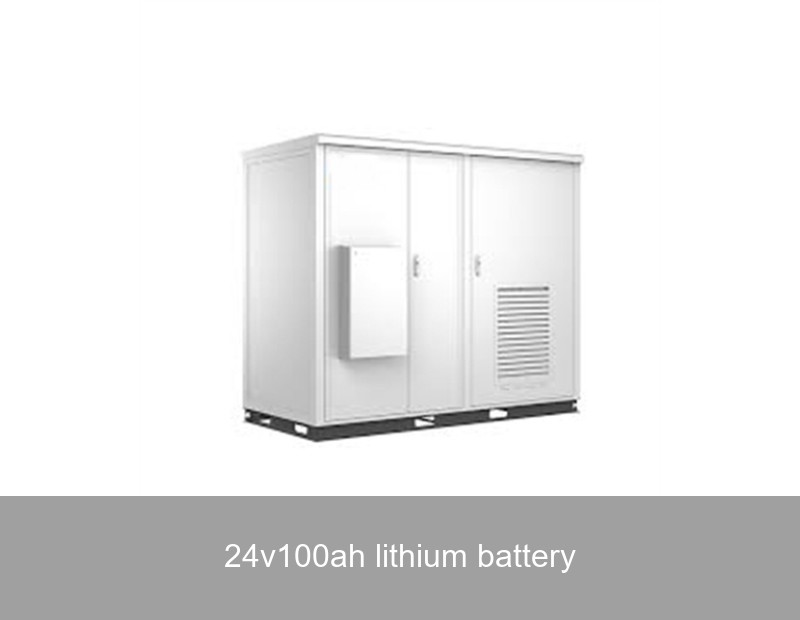
You're likely here because you're planning an energy system—maybe for a campervan, a solar-powered cabin, or a critical backup power setup. In your research, you keep seeing a specific term: the 24V 100Ah lithium battery. It's more than just a part number; it's becoming the cornerstone of modern, off-grid and backup power solutions across Europe and the US. But what makes this particular configuration so popular, and how can you ensure you're investing in a system that's safe, durable, and truly intelligent? Let's break it down.
The Power Behind Modern Energy Storage: Why Lithium is Leading the Charge
For decades, lead-acid batteries dominated the scene. They were familiar and cheap upfront. But a quiet revolution has been underway, driven by the superior chemistry of lithium iron phosphate (LiFePO4), the most common and safe type for the 24V 100Ah category. The shift isn't just about hype; it's a response to a clear set of challenges with older technology.
The Problem with the Old Guard: Traditional batteries are heavy, have a short lifespan (often 3-5 years), and can only use about 50% of their rated capacity before risking damage. They require regular maintenance and ventilation. For anyone serious about energy independence, these limitations become costly and frustrating roadblocks.
The Data That Drives the Decision
Let's look at the numbers. A standard 24V 100Ah lead-acid battery bank might give you a usable 1.2 kWh of energy (100Ah * 24V = 2.4kWh, but only 50% depth of discharge). Its lifecycle might be 500-800 cycles. Now, compare that to a modern LiFePO4 battery like those in Highjoule's H-Volt Series:
| Feature | Traditional Lead-Acid | Highjoule H-Volt LiFePO4 (24V 100Ah Example) |
|---|---|---|
| Usable Capacity | ~50% (1.2 kWh) | >95% (2.3+ kWh) |
| Cycle Life (to 80% capacity) | 500 - 800 cycles | 6,000+ cycles |
| Weight | ~60-70 kg | ~25-30 kg |
| Maintenance | Regular watering, terminal cleaning | Zero maintenance |
| Charge Efficiency | ~70-85% | >98% |
This isn't a marginal improvement; it's a transformation. The higher cycle life means the battery can last for 15-20 years under daily use, effectively making it a one-time investment for many applications. The near-total usable capacity effectively doubles the power you get from the same "100Ah" label.

Image Source: Unsplash - A clean, modern lithium battery installation for home energy storage.
Real-World Case Study: Powering an Off-Grid Cabin in Northern Sweden
Let's move from theory to a real, frosty example. In 2022, a family in rural Jämtland, Sweden, decided to retrofit their seasonal hunting cabin for year-round use. The challenge: extreme temperatures dipping below -30°C in winter, limited sun hours, and a need for reliable power for lighting, a small fridge, a water pump, and communications equipment.
Their Solution: They installed a 3.2 kW solar array paired with two Highjoule H-Volt 24V 100Ah batteries in parallel (creating a 24V 200Ah, ~4.8 kWh system). The batteries were installed in an unheated but insulated compartment. The integrated Battery Management System (BMS) with low-temperature charge protection was a critical feature, preventing charging when cells were too cold—a key safety and longevity feature many cheaper batteries lack.
- Uptime: 99.8% system availability, even during a 5-day winter storm.
- Performance in Cold: The system consistently delivered over 95% of its rated capacity during use, even in ambient temps of -20°C. The self-heating function (available on certain Highjoule models) allowed the batteries to safely accept solar charge on cold, sunny mornings.
- Return on Investment: By eliminating the need for a noisy, polluting diesel generator (saving over €800 per year in fuel and maintenance), the owners project a full payback on the battery system in under 7 years. Given the 10+ year warranty and 6000+ cycle rating, the long-term savings are substantial.
This case highlights that a well-engineered 24V 100ah lithium battery isn't just a component; it's the resilient heart of an off-grid ecosystem. You can read more about the importance of BMS in lithium safety from a leading research body like U.S. Department of Energy.
Why Choose Highjoule for Your 24V 100Ah Solution?
At Highjoule, we've been engineering advanced energy storage since 2005. We understand that a battery is more than just cells in a box. Our H-Volt Series, which includes robust 24V 100Ah modules, is built with a system-level philosophy.
Beyond the Cell: Integrated Intelligence
Our batteries come equipped with a proprietary, multi-layer BMS. Think of it as the battery's brain and guardian. It doesn't just monitor voltage; it manages cell balancing in real-time, provides precise state-of-charge readings (so you *really* know how much power you have left), and enforces strict thermal and electrical safety parameters. This data is accessible via Bluetooth or CAN bus, integrating seamlessly with most major solar inverters popular in Europe and North America.
Scalability for Growing Needs
Starting with a single 24V 100Ah battery? Great. Need more power next year? Our modular design allows you to easily connect additional units in parallel (for more capacity) or series (for higher voltage). This plug-and-play scalability protects your initial investment and makes system expansion straightforward and cost-effective.

Image Source: Unsplash - Scalable energy storage systems powering larger commercial applications.
From Residential to Microgrids
While the 24V 100Ah unit is perfect for mobile and mid-sized applications, Highjoule's expertise extends far beyond. We provide tailored solutions:
- Residential: Seamless home battery storage for solar self-consumption and backup.
- Commercial & Industrial: Large-scale Battery Energy Storage Systems (BESS) for peak shaving, demand charge reduction, and backup power for businesses.
- Microgrids: Turnkey, intelligent systems that can power remote communities, industrial sites, or agricultural operations with renewable energy resilience. For a broader look at grid-scale storage growth, see this report from the International Energy Agency.
Making the Right Choice for Your Needs
So, is a 24V 100Ah lithium battery right for you? Ask these key questions:
- What is my continuous power draw? (Add up the watts of all devices you might run simultaneously).
- How long do I need to run them without a recharge? This defines your required energy capacity (kWh).
- What are my environmental conditions? Will the battery face freezing temperatures or extreme heat?
- What is my inverter's input voltage? This often dictates the battery bank voltage (24V is common for mid-sized inverters).
A quality 24V 100Ah LiFePO4 battery provides a versatile 2.4 kWh of storage (nearly all usable). It can typically deliver a continuous current of 100A, meaning it can support a 2400W load at 24V—enough to run a host of essential appliances. For context, the average European home uses about 10 kWh per day, so such a battery can cover a significant portion of a frugal off-grid load or provide critical backup for hours.
The Highjoule Difference: Peace of Mind
Choosing Highjoule means choosing verified safety, long-term performance, and intelligent design. Our products are certified to the highest international standards (UN38.3, CE, UL). We don't just sell batteries; we provide a complete power solution backed by nearly two decades of global experience. Our systems are designed to not just work on day one, but to deliver reliable power for thousands of cycles.
What energy challenge are you looking to solve with a reliable 24V 100Ah lithium battery system, and how can we help you design a solution that grows with your ambitions?
 Inquiry
 Online Chat