


Unlocking Energy Independence: The Complete Guide to Your PV Energy Storage System
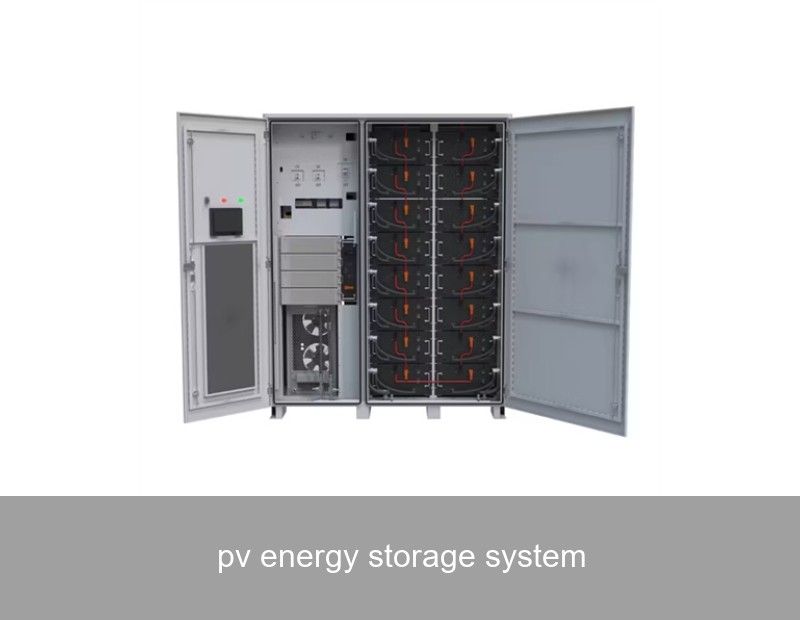
Table of Contents
If you have solar panels, or are considering them, you've likely heard the term "PV energy storage system." It's more than just a battery in a box. It's the brain and the brawn that transforms your solar array from a daylight-only generator into a 24/7 personal power plant. For homeowners and businesses across Europe and the US, this technology is rapidly moving from a luxury to a core component of a resilient, cost-effective energy strategy. Let's explore why.
What is a PV Energy Storage System?
At its core, a photovoltaic (PV) energy storage system is an integrated setup that captures the electricity generated by your solar panels, stores it in high-capacity batteries, and manages its delivery to power your home or business—day or night, sunny or cloudy. Think of it as your personal energy savings account: you deposit excess solar power during the day and make withdrawals whenever you need it most.
Modern systems, like those developed by Highjoule, go far beyond simple storage. They are intelligent energy management hubs. They continuously monitor energy production, consumption, grid conditions, and even weather forecasts to autonomously decide the most economical and efficient way to route every kilowatt-hour of energy. Founded in 2005, Highjoule has pioneered this intelligent approach, providing smart, efficient, and sustainable power solutions for residential, commercial, and microgrid applications worldwide.

Image Source: Unsplash - A modern residential PV and storage installation.
The Energy Shift: Why PV Storage is No Longer Optional
The energy landscape is undergoing a profound transformation. Two parallel phenomena are driving the surge in demand for battery storage alongside solar.
1. The Duck Curve & Grid Volatility: As solar adoption soars, grids experience a massive midday surplus of solar power, followed by a steep ramp-up demand as the sun sets—a shape grid operators call the "duck curve." This strains infrastructure and leads to less stable grid frequency and voltage. Your PV energy storage system acts as a buffer, absorbing excess midday solar and releasing it during the peak evening hours, flattening the duck curve and strengthening grid stability for everyone.
2. Rising Electricity Costs & New Tariffs: Time-of-Use (TOU) rates, where electricity is more expensive during peak hours, are becoming standard. In places like California, Germany, and parts of the UK, the cost per kWh can double during evening peaks. With a smart storage system, you can avoid buying expensive grid power during these windows entirely.
The Data Behind the Demand
The numbers tell a compelling story. According to the International Energy Agency (IEA), global energy storage capacity is set to multiply exponentially this decade, with distributed storage at homes and businesses leading much of the growth. In the U.S. alone, residential storage installations saw a record year, often paired with new solar projects over 80% of the time.
How a Modern PV and Battery Storage System Works
Let's break down the components and intelligence of a contemporary system:
- Solar PV Array: Converts sunlight into direct current (DC) electricity.
- Hybrid Inverter or System Controller: This is the command center. It converts DC from panels or batteries to usable alternating current (AC) for your home. More importantly, it orchestrates energy flow based on pre-set preferences and real-time data.
- Battery Bank: The storage reservoir, typically using Lithium Iron Phosphate (LFP) chemistry for its safety, longevity, and performance. Highjoule's systems utilize advanced LFP battery modules designed for thousands of deep-cycle charges, ensuring a system lifespan that matches your solar panels.
- Energy Management Software: The "brain." This software platform allows you to set goals (e.g., maximize self-consumption, prepare for outages) and provides visibility into your energy ecosystem.
Here’s a typical daily cycle managed by Highjoule's EnergyOS platform:
| Time | Solar Production | Home Demand | System Action | Result |
|---|---|---|---|---|
| 6 AM - 9 AM | Low | High | Discharge battery | Powers home, avoids morning peak rates |
| 10 AM - 4 PM | High | Moderate | Power home, charge battery, export excess | Free energy for later, earns credits |
| 6 PM - 10 PM | None | Very High | Discharge battery fully | Zero grid import during expensive peak period |
| Overnight | None | Low | Minimal grid import (if needed) | Maintains home base load at low-cost rates |
Key Benefits: Beyond Just Backup Power
- Maximized Solar Self-Consumption: Increase the portion of your own solar energy you use from 30-50% to 70-90% or more, dramatically improving the return on your solar investment.
- Reduced Energy Bills: By strategically avoiding peak-rate grid purchases, typical households in TOU areas can see bill reductions of 60-90% during summer months.
- Uninterruptible Power Supply (UPS): Provides seamless backup power during grid outages. While most think of keeping lights on, a system like Highjoule's EverCharge Home series can keep critical loads—refrigerators, medical equipment, home offices—running for hours or even days, depending on configuration.
- Grid Support & Future Revenue: In some markets, you can participate in grid services programs (like virtual power plants) where your aggregated battery helps balance the grid, earning you additional income.
- Increased Energy Independence: Reduces reliance on the utility grid and protects against future electricity price volatility.
Real-World Impact: A Case Study from California
Let's look at a concrete example. The Johnson family in Sacramento, California, installed a 10 kW solar array in 2020. Despite having solar, their bills remained high due to Pacific Gas & Electric's steep TOU rates (over $0.45/kWh in peak summer evenings).
The Solution: In early 2023, they added a Highjoule EverCharge Home 15 system (15 kWh usable storage) with an integrated hybrid inverter. The system was configured to prioritize "peak shaving."
The Data-Driven Results (First 12 Months):
- Grid Import Reduction: Reduced grid electricity purchases during peak hours by 98%.
- Solar Self-Consumption: Increased from 41% to 89%.
- Annual Savings: Total electricity bill reduced from an average of $180/month to $22/month—primarily just grid connection fees.
- ROI Timeline: The storage addition is projected to pay for itself in under 7 years, thanks to state incentives (like the SGIP) and massive bill savings.
- Added Value: The system provided seamless backup during two planned public safety power shutoffs (PSPS), totaling 36 hours.
This case exemplifies how the right PV energy storage system turns solar into a comprehensive financial and resilience asset.

Image Source: Unsplash - Visualization of energy management and flow.
Choosing the Right System for Your Needs
Not all storage systems are created equal. Here are key considerations, areas where Highjoule's expertise directly addresses customer needs:
1. Capacity & Power Rating
Do you want whole-home backup or just critical loads? Highjoule's modular systems allow you to scale battery capacity from 10 kWh to over 30 kWh, ensuring you pay for what you need.
2. Battery Chemistry
Lithium Iron Phosphate (LFP) is now the industry standard for safety and cycle life. It's non-toxic and inherently stable, unlike older NMC chemistries. Highjoule uses only UL-certified LFP cells.
3. System Intelligence & Integration
Can the system integrate with existing solar inverters (AC-coupled) or is it a fully integrated DC-coupled solution? Highjoule offers both, providing flexible upgrades for existing solar owners or optimized new installations. Their EnergyOS platform is key, offering intuitive monitoring and control via a smartphone app.
4. Warranty & Longevity
Look for a warranty that guarantees both capacity (e.g., 70% after 10 years) and cycle life. Highjoule's commercial and residential products come with robust warranties, reflecting confidence in their product's durability.
The Future of Home and Business Energy
The PV energy storage system is the cornerstone of the future prosumer (producer + consumer) energy model. We're moving towards interconnected home ecosystems that include electric vehicle (EV) charging, where your EV can act as an additional storage asset (vehicle-to-home or V2H). Smart, systems like those from Highjoule are being designed with this future in mind, ready to integrate with EV chargers and manage charging schedules to use the cheapest, cleanest power available.
For businesses and microgrids, the value extends to demand charge management—reducing peak draw from the grid to slash a major portion of commercial utility bills. Highjoule's commercial-scale solutions are already delivering significant savings for warehouses, agricultural operations, and small communities seeking energy independence.

Image Source: Unsplash - A commercial battery energy storage installation.
An Open Question for You
As electricity markets evolve and weather patterns become less predictable, what value holds more weight for your home or business: the predictable monthly savings on your bill, or the peace of mind that comes with knowing your power stays on when the grid goes down? Perhaps the right PV energy storage system finally lets you choose both.
What's the first load you would secure during an outage, and how would that priority shape the system you design?
 Inquiry
 Online Chat