


Unlocking Energy Independence: The Strategic Role of a 2.5 kVA Energy Storage Cabinet
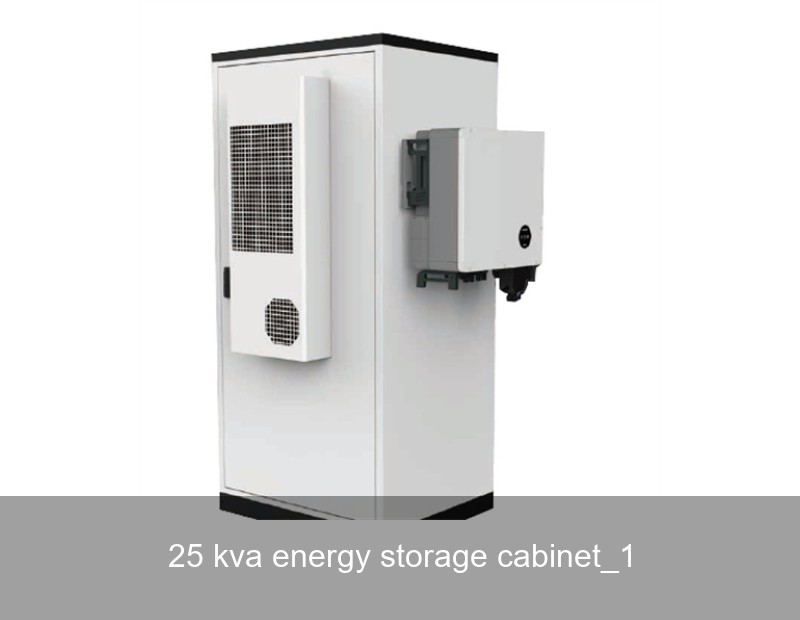
your business is humming along, or your home is running smoothly, when suddenly the lights flicker and the power goes out. For a moment, everything grinds to a halt. This familiar scene is becoming a powerful catalyst for change. Across Europe and the US, a quiet revolution is taking place in basements, utility rooms, and commercial sites. At its heart is a compact, powerful solution: the 2.5 kVA energy storage cabinet. But this isn't just a battery in a box. It's the fundamental building block for modern energy resilience, allowing homeowners and business owners to store solar power, avoid peak utility rates, and keep essential systems running during outages. Let's explore why this specific capacity is becoming a go-to choice for intelligent energy management.
Beyond the Blackout: Why Modularity & Scalability Matter
The energy landscape is shifting from a one-way grid to a dynamic, two-way network. The rise of rooftop solar means we're not just consumers but also "prosumers"—producing and consuming our own power. The challenge? Solar panels generate electricity when the sun shines, but our highest energy needs often occur in the early morning or evening. This is where the 2.5 kVA energy storage cabinet shines. With a power rating of 2.5 kilovolt-amperes (roughly equivalent to 2.5 kW), it can deliver a steady, substantial flow of electricity to power critical loads.
Think of your essential circuits: refrigeration, lighting, internet routers, security systems, or crucial machinery. A well-designed 2.5 kVA system can seamlessly back these up. But the real magic lies in scalability. Imagine starting with a single cabinet to manage your most vital needs. As your confidence grows or your requirements change—perhaps you add an electric vehicle or expand your business—you can add more cabinets in parallel. This modular approach, championed by forward-thinking providers like Highjoule, transforms energy storage from a fixed cost into a flexible investment that grows with you. Highjoule's Modular PowerCube series, for instance, is designed on this very principle, allowing systems to scale from 2.5 kVA to multi-megawatt installations using the same core, proven technology.

Image Source: Unsplash. A modern energy storage unit, similar to a modular cabinet, providing clean backup power.
Real-World Case Study: A German Bakery's Recipe for Resilience
Let's move from theory to practice. Consider "Bäckerei Schmidt," a family-run artisan bakery in Bavaria, Germany. Their ovens, proofing cabinets, and refrigeration are the lifeblood of the business. A two-hour power outage doesn't just mean lost sales; it can mean ruined inventory and a broken cold chain. Furthermore, Germany's Fraunhofer Institute for Solar Energy Systems reports that the levelized cost of electricity from small-scale PV-plus-storage systems has fallen significantly, making self-consumption economically attractive.
Bäckerei Schmidt installed a 15 kWp solar array on their roof. To maximize self-use of this solar energy and secure backup power, they paired it with a scalable storage system centered on 2.5 kVA energy storage cabinets. Here's the impact, measured over one year:
| Metric | Before Installation | After Installation |
|---|---|---|
| Grid Electricity Import | 100% of needs | Reduced by 68% |
| Solar Self-Consumption Rate | ~35% (without storage) | Increased to 82% |
| Business Continuity | Vulnerable to outages | Essential operations secured for 8+ hours |
| Peak Demand Charges | Significant monthly cost | Reduced by smoothing grid draw |
The bakery started with two cabinets, providing a robust 5 kVA/10 kWh foundation. The system intelligently powers the delicate refrigeration and proofing cabinets overnight using stored solar energy. During a brief winter grid outage, the system automatically switched to backup mode, keeping the lights on and the dough safely chilled, saving thousands of euros in potential losses. This case exemplifies the dual financial and operational resilience offered by a modular storage approach.
Key Features & Benefits of Modern 2.5 kVA Energy Storage Systems
Not all storage cabinets are created equal. When evaluating a 2.5 kVA energy storage cabinet, look for these critical features that separate advanced systems from basic battery packs:
- Lithium Iron Phosphate (LFP) Chemistry: The safety and longevity champion. LFP batteries are inherently stable, have a longer cycle life (often 6,000+ cycles), and perform well across a wide temperature range, making them ideal for garage or utility room installations.
- Integrated Energy Management System (EMS): The brain of the operation. A smart EMS decides when to charge (from solar or the grid during low-cost periods), when to discharge, and how to prioritize loads during backup. It's what turns raw storage into intelligent savings.
- Seamless Hybrid Inverter Compatibility: The system should work harmoniously with your existing or new solar inverter. Many modern cabinets come as AC-coupled systems or with matching hybrid inverters for DC-coupling, offering installation flexibility.
- Scalable Architecture: As mentioned, the ability to start with a foundational unit and add more capacity later is a game-changer for budget-conscious energy independence.
The Highjoule Solution: Engineered for Reliability and Ease
At Highjoule, with nearly two decades of experience since 2005, we've engineered our Modular PowerCube 2.5 series to embody all these principles. Our cabinets are built with UL 9540 and IEC 62619 certified LFP cells, ensuring the highest safety standards for both residential and commercial installations in the US and EU markets. What sets our system apart is its true plug-and-play modularity. Each 2.5 kVA/5 kWh cabinet is a self-contained unit with its own battery management system (BMS), which then networks seamlessly with others. This daisy-chain design simplifies installation and future expansion dramatically.
Our cloud-based monitoring platform gives users a clear window into their energy flows, savings, and system health from any device. For commercial and microgrid applications, this scalability means a business can start with a single rack for IT backup and grow into a full-fledged microgrid that manages peak shaving and time-of-use optimization. We don't just sell hardware; we provide a complete, intelligent power solution tailored to the load profile and goals of each customer.

Image Source: Unsplash. An engineer monitoring a sophisticated energy management system for a storage installation.
Choosing the Right System for Your Needs
So, is a 2.5 kVA energy storage cabinet right for you? Ask yourself these questions:
- What are my critical loads? List the appliances or equipment you must keep running during an outage and calculate their total wattage. A 2.5 kVA (2,500-watt) output can typically handle a home's essentials or several key commercial circuits.
- What is my solar production profile? How much excess solar energy do you typically send back to the grid in the middle of the day? This "excess" is your free fuel for storage.
- What are my local utility rates and incentives? In regions with high Time-of-Use rates (like California) or strong storage incentives (like many European countries), the payback period for storage can be significantly shortened. Check databases like the DSIRE USA for current policies.
- Do I want to future-proof my investment? Choosing a modular system from an established provider like Highjoule protects your investment against changing energy needs.
The journey to energy resilience is no longer a distant dream for the few. It's a practical, achievable step for homeowners and business owners alike. Starting with a scalable foundation like a 2.5 kVA cabinet allows you to take control, reduce your carbon footprint, and build a buffer against an uncertain grid. What's the first load you would secure with your own reliable power supply?
 Inquiry
 Online Chat