


Finding the Right Fit: Your Guide to the 10kW ESS for Sale and Sustainable Power Independence
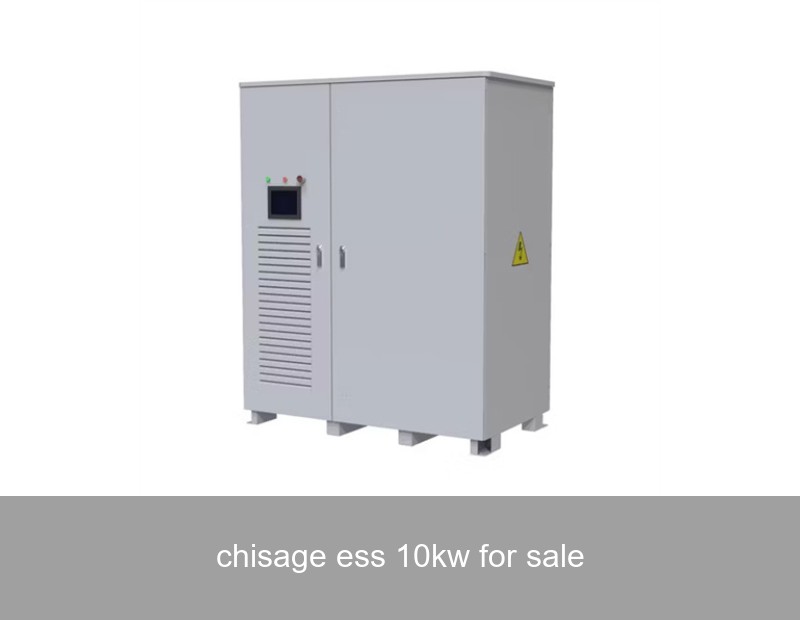
In today's energy landscape, a quiet revolution is happening in homes and businesses. It's driven by a simple question: how can we take control of our power, reduce our bills, and contribute to a cleaner grid? For many, the answer lies in a specific and powerful solution: the 10kW Energy Storage System (ESS) for sale. This isn't just a battery; it's the cornerstone of modern energy independence. Whether you're a homeowner with solar panels looking to maximize every sunbeam, or a small business owner seeking protection from peak demand charges, a 10kW system often represents the perfect balance of capacity, power, and value. Let's explore why this particular size is creating such a buzz and how choosing the right technology partner makes all the difference.
Table of Contents
The 10kW ESS Phenomenon: More Than Just a Number
So, why 10kW? Think of it this way: the kilowatt (kW) rating is about power—how many appliances you can run at once. The kilowatt-hour (kWh) capacity is about energy—how long you can run them. A 10kW system typically pairs a 10kW inverter with a battery capacity ranging from 10kWh to 20kWh or more. This configuration is uniquely suited to handle the simultaneous "power pulls" of a typical energy-conscious household or small commercial operation. We're talking about running essentials: refrigerators, lighting, HVAC systems, and even heavy-duty loads like water pumps or commercial ovens, all while potentially keeping the lights on during an outage. It's the sweet spot for meaningful impact without oversizing.
Data: The 10kW Power Bill Transformation
The financial logic is compelling. In both Europe and the U.S., utility structures are increasingly favoring storage. Time-of-Use (TOU) rates, where electricity costs triple during evening peaks, and demand charges for commercial users, which are based on your highest 15-minute power draw each month, are becoming the norm.
Consider this: A 2023 report by the National Renewable Energy Lab (NREL) highlights that pairing solar with storage can increase the value of solar energy to the grid and the owner by 20-40%, largely by enabling peak shaving. A properly managed 10kW ESS can virtually eliminate those costly demand spikes for a business. For a homeowner in California or Germany, it means charging the battery with cheap solar or off-peak grid power and using it during the expensive peak hours, slashing the electricity bill significantly.
Case Study: A Bavarian Bakery's Recipe for Resilience
Let's look at a real-world example. "Brot & Mehr," a family-owned bakery in southern Germany, faced two challenges: soaring energy costs, especially for their electric deck ovens and refrigeration, and an unreliable local grid that threatened production.
In early 2023, they installed a 10kW solar-coupled energy storage system. The system was designed to prioritize using solar energy directly, store excess generation, and discharge strategically to cover the bakery's morning and afternoon production peaks.
| Metric | Before Installation (2022 Avg.) | After Installation (6-Month Avg. 2023) | Change |
|---|---|---|---|
| Monthly Grid Peak Demand | 28 kW | 14 kW | -50% |
| Grid Electricity Purchased (Peak Hours) | 1,250 kWh | 320 kWh | -74% |
| Self-Consumption of Solar | 35% | 89% | +154% |
| Estimated Annual Savings | — | €4,800 | — |
The bakery achieved a payback period of under 5 years. Crucially, during two brief grid outages, the ESS kept the refrigeration and essential lighting operational, preventing thousands of euros in spoiled inventory. This is the dual value of a 10kW ESS: economic intelligence and operational resilience.

Image: A commercial building with solar and storage, similar to the bakery case study. Source: Unsplash.
Key Components of a Robust 10kW System
Not all "10kW ESS for sale" are created equal. When evaluating options, look beyond the headline specs:
- Battery Chemistry: Lithium Iron Phosphate (LFP) is now the undisputed leader for stationary storage. It offers superior safety, a longer cycle life (often 6,000+ cycles), and excellent thermal stability compared to older NMC blends. It's a non-negotiable for a system meant to last 15+ years.
- Inverter/Charger: This is the brain and the brawn. A hybrid inverter can manage solar, battery, and grid input simultaneously. Look for high round-trip efficiency (above 95%), seamless backup power switching (<20ms), and robust grid-support functions.
- Energy Management System (EMS): The true intelligence. A smart EMS uses software and weather forecasting to autonomously optimize charging and discharging based on your tariffs, consumption patterns, and even grid carbon intensity.
- Scalability: Can you easily add more battery capacity later if your needs grow? A modular design is a significant long-term advantage.
The Highjoule Nexus 10kW Advantage: Intelligence Meets Durability
This is where Highjoule's expertise, honed since 2005, translates into tangible benefits for customers seeking a premium 10kW ESS for sale. Our Nexus 10 platform is engineered for the demands of the European and North American markets.
We don't just sell hardware; we provide an integrated, intelligent power solution. The Nexus 10 system features:
- Ultra-Safe LFP Battery Modules: Built with automotive-grade cells, our modules are designed for a 15-year service life with minimal degradation.
- High-Resolution Adaptive EMS: Our proprietary AI-driven platform doesn't just react; it predicts. By analyzing local weather data and your historical usage, it creates a daily strategy to maximize savings and self-consumption. You can monitor and control everything via an intuitive mobile app.
- Grid-Forming Capability: For our advanced models and microgrid applications, the Nexus 10 can actually "form" a stable grid, allowing it to operate completely off-grid or support weak grids—a feature increasingly valued in remote areas or for critical infrastructure.
- Global Service & Warranty: With a 10-year comprehensive warranty and a network of certified installers and technicians across Europe and the U.S., we ensure your investment is protected for the long haul.

Image: A sleek, modern home energy storage system installation. Source: Unsplash.
Making the Right Choice for Your 10kW ESS
Choosing the right system is a partnership. It starts with a clear analysis of your goals: Is it purely financial ROI? Uninterruptible power for home offices or medical equipment? Or achieving 100% renewable energy for your business?
We recommend a three-step process:
- Audit: Review 12 months of electricity bills to understand your consumption pattern, peak demand, and tariff structure. Resources like the U.S. Department of Energy's Energy Saver guide provide a great starting point for understanding your home's energy use.
- Simulate: Work with a qualified provider who can model different system sizes and operation strategies against your actual data to project savings and performance.
- Quality: Prioritize system safety, software intelligence, and the company's track record. The cheapest upfront cost often leads to higher lifetime expenses.
The market for a 10kW ESS for sale is vast, but the path to a successful project is clear: focus on proven technology, intelligent software, and a partner with a legacy of reliability. At Highjoule, we believe your storage system should be as smart, efficient, and forward-looking as your energy ambitions.
What's the first energy-dependent process in your home or business that you would want to secure with resilient, clean power today?
 Inquiry
 Online Chat