


Unlocking Energy Independence: The Power of the 48V 210Ah Lithium Battery
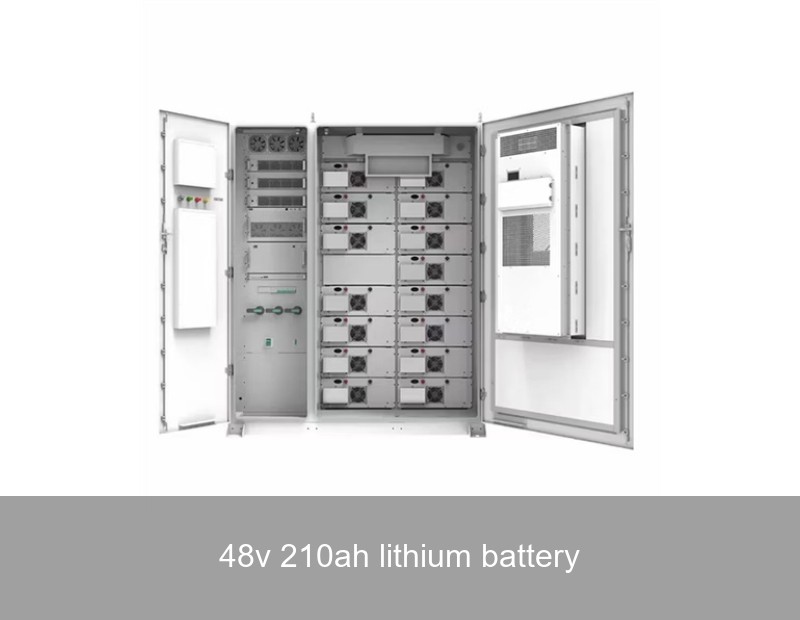
Have you ever felt a pang of anxiety watching your energy bill climb, or wondered how to keep the lights on during an unexpected grid outage? You're not alone. Across homes, businesses, and communities, the quest for reliable, clean, and cost-effective power is driving a quiet revolution. At the heart of this shift lies a powerful enabler: the 48V 210Ah lithium battery. This isn't just a battery; it's the cornerstone of a modern, resilient energy system. For nearly two decades, Highjoule has been at the forefront of this transformation, engineering intelligent storage solutions that turn energy challenges into opportunities for sustainability and control.
Table of Contents
- The 48V Sweet Spot: Why Voltage Matters
- 210Ah Unpacked: The Capacity for Real Change
- The Lithium Advantage: More Than Just Chemistry
- From Specification to Solution: A Real-World Case Study
- Thinking Beyond the Battery: The System is Key
- The Highjoule Approach: Engineered for Performance
- What Does Your Energy Future Look Like?
The 48V Sweet Spot: Why Voltage Matters
Let's demystify the numbers. A 48V system is a pivotal choice in renewable energy and backup power. It sits perfectly between low-voltage (12V/24V) and high-voltage (400V+) systems. Why is this so important? For residential and commercial applications, 48V offers the ideal balance of safety, efficiency, and power. It's high enough to significantly reduce current for the same power output (remember, Power = Voltage x Current), which means thinner, less expensive cables, lower energy losses, and safer installations. It's the standard for robust off-grid and hybrid solar systems, powering everything from essential home circuits to small business operations seamlessly.
Think of it like water pressure: a 48V system provides a strong, steady flow to run your appliances without the complexity and safety concerns of ultra-high voltage or the bulky inefficiency of low voltage.

A well-installed 48V battery bank forms the reliable heart of a modern home energy system.
210Ah Unpacked: The Capacity for Real Change
Now, let's talk capacity. The "210Ah" (Amp-hour) rating tells you the battery's energy storage potential. In simple terms, a 48V 210Ah battery can theoretically deliver 210 amps of current for one hour at 48 volts. To put that in practical energy terms (kWh), we calculate: 48V x 210Ah = 10.08 kWh of usable energy.
What can 10 kWh power? Here’s a realistic snapshot for a European or American household:
- Keep your refrigerator running for over 24 hours.
- Power LED lighting and essential electronics (modem, TV, computers) for an evening and beyond.
- Cycle a high-efficiency heat pump or well pump for critical periods.
- Significantly offset peak grid usage, slashing demand charges for businesses.
This capacity is the workhorse range—substantial enough to make a tangible difference in daily energy independence, yet modular enough to scale by connecting multiple units together.
The Lithium Advantage: More Than Just Chemistry
Not all lithium batteries are created equal. The shift from lead-acid to Lithium Iron Phosphate (LiFePO4) chemistry, commonly used in 48V 210Ah formats, is a game-changer. Here’s why:
| Feature | Traditional Lead-Acid | LiFePO4 (e.g., 48V 210Ah) |
|---|---|---|
| Cycle Life | ~500 cycles (to 50% depth) | 6,000+ cycles (to 80% depth) |
| Depth of Discharge (DoD) | ~50% recommended | 80-90% usable daily |
| Efficiency | ~80% | >95% |
| Lifespan | 3-5 years | 10+ years |
LiFePO4 batteries are inherently safer, more stable, and offer a longer lifespan, making them a superior investment. As noted by the U.S. Department of Energy's Solar Energy Technologies Office, advancements in lithium-based storage are critical for integrating renewable sources and enhancing grid resilience.
From Specification to Solution: A Real-World Case Study
Let's move from theory to practice. Consider a family-run organic farm in Bavaria, Germany. Their challenges: frequent power dips affecting refrigeration, high energy costs, and a desire to utilize their existing rooftop solar panels more effectively.
Phenomenon: Solar panels produced excess energy midday that was sold to the grid at low rates, but the farm had to buy back expensive power in the evening, with no backup during outages.
Data & Solution: A system centered on a 48V 210Ah lithium battery bank (two units for ~20 kWh storage) was installed. The battery stores surplus solar generation instead of exporting it.
Outcome: Within the first year:
- Grid Independence: Increased self-consumption of solar power from 30% to over 80%.
- Cost Savings: Reduced annual electricity costs by approximately €2,300.
- Reliability: Provided seamless backup for critical loads during 4 grid outages, preventing spoilage of refrigerated produce.
This case illustrates how the right battery specification, integrated into a smart system, solves multiple problems simultaneously.
Thinking Beyond the Battery: The System is Key
A battery alone is not a solution. Its performance is dictated by the ecosystem it operates in—the Battery Management System (BMS), the inverter, and the control software. A top-tier BMS is the brain, ensuring each cell is balanced, temperatures are managed, and the battery operates within its safe window. The inverter must be perfectly compatible to efficiently convert DC battery power to AC for your home. This is where holistic design becomes non-negotiable.
At Highjoule, we've seen that the true value of a 48V 210Ah lithium battery is only fully realized when it's part of a seamlessly integrated product like our HES-Prime Commercial & Residential Series. These systems are pre-engineered with our proprietary adaptive BMS and are compatible with leading inverters, ensuring peak efficiency, safety, and a lifespan that delivers on the promise of your investment.

Integrated systems combine solar generation, intelligent storage, and monitoring for complete energy control.
The Highjoule Approach: Engineered for Performance
Since 2005, Highjoule's mission has been to provide more than just components; we deliver intelligent, efficient, and sustainable power solutions. Our expertise in BMS technology and system integration ensures that every 48V battery solution we offer is built for the long haul. For demanding commercial, industrial, and microgrid applications, our scalable architectures allow multiple 48V 210Ah units to be linked, creating a robust energy reservoir managed by a single, intelligent platform.
We understand that every energy profile is unique. That's why our services extend from initial consultancy and custom design to remote monitoring and support. By choosing a partner like Highjoule, you're not just buying a battery; you're investing in a future-proof energy infrastructure backed by nearly two decades of global experience. For deeper insights into system sizing and benefits, resources like the Solar Energy Industries Association (SEIA) provide excellent foundational knowledge.
What Does Your Energy Future Look Like?
The journey toward energy resilience often begins with a single question: "How can I take control?" The technical specifications of a 48V 210Ah lithium battery represent a tangible step on that path. But the real transformation happens when this technology is thoughtfully applied to your specific context—your home's consumption patterns, your business's operational hours, your region's climate and utility policies.
Are you ready to explore how a precisely engineered energy storage system can turn your renewable investments into 24/7 assets, protect your operations from grid instability, and finally put you in the driver's seat of your energy costs?
 Inquiry
 Online Chat