


Dirt Cheap Solar Generator: Uncovering the True Cost of Energy Independence
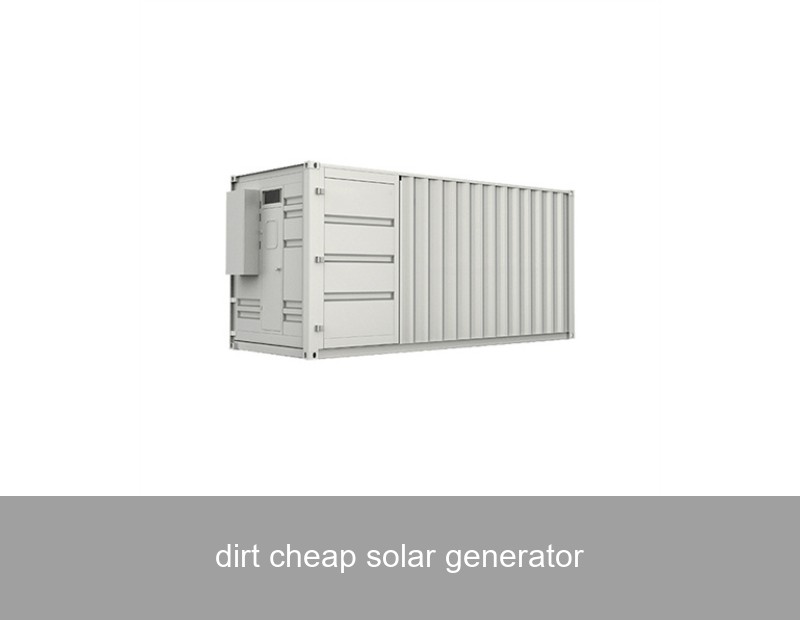
Let's be honest, who hasn't been tempted by the idea of a "dirt cheap solar generator"? The online ads promise complete energy freedom for a few hundred dollars—a suitcase-sized box that can power your home, your RV, or your next adventure. It sounds like the ultimate shortcut. But as a product technology expert in the renewable energy field, I'm here to guide you through a crucial reality check. True, sustainable power isn't just about the upfront sticker price; it's about value, reliability, and intelligence over the next 15+ years. Let's peel back the layers on what makes a solar generator not just cheap, but genuinely smart and cost-effective.
The Dream of Cheap Solar Power: More Than Just a Panel
The plummeting cost of photovoltaic (PV) panels over the last decade is a genuine success story, driving global adoption. According to the International Renewable Energy Agency (IRENA), the global weighted average cost of electricity from utility-scale solar PV fell by 89% between 2010 and 2022. This fuels the dream of accessible solar for everyone. However, a "solar generator"—typically an all-in-one battery storage system with an inverter and charge controller—is a different beast. The panel is just the harvester; the generator is the brain and bank that stores and manages that energy. Compromising on the "bank" can turn your dream of independence into a cycle of frustration and hidden costs.
Beyond the Panel: The Real Cost of a "Dirt Cheap Solar Generator"
When evaluating cost, we must look at Total Cost of Ownership (TCO). A low initial investment can mask significant expenses down the line.
Battery Quality & Longevity: The Heart of the System
This is the most critical factor. Many budget systems use lower-grade lithium-ion cells (like Li-ion NMC) with minimal thermal management and basic Battery Management Systems (BMS). They might quote a high cycle life (e.g., 2000 cycles) but under ideal lab conditions. In real-world heat and cold, with irregular charging, degradation accelerates.
- Phenomenon: You buy a cheap unit rated for 1000Wh. In year one, it works well. By year three, you notice it only holds enough charge for half your camping trip.
- Data & Insight: A quality Lithium Iron Phosphate (LiFePO4) battery, like those used in Highjoule's residential systems, can deliver 6000+ cycles to 80% depth of discharge. It's inherently more stable and has a longer lifespan. While the upfront cost is higher, the cost per cycle is dramatically lower. You're not buying a disposable gadget; you're investing in a durable asset.

Image Source: Unsplash - Representative image of advanced battery cells
Inverter & System Efficiency: The Hidden Energy Leak
The inverter converts stored DC battery power to usable AC power for your appliances. A cheap inverter might be only 85% efficient and produce a modified sine wave.
- Phenomenon: Your "1000Wh" generator seems to drain quickly. Sensitive electronics like laptops, medical devices, or variable-speed tool chargers hum, get hot, or fail to charge.
- Data & Insight: A high-efficiency pure sine wave inverter (98%+ efficiency, like those in Highjoule systems) ensures every watt-hour you harvest and store is fully utilized. It protects your valuable devices. That 13% efficiency gap means 130Wh lost for every 1000Wh you produce—a constant, silent drain on your so-called cheap power.
System Integration & Intelligence: The Missing Brain
Can your system talk to your solar panels, your home grid, and your energy habits? A basic generator is an island. A smart energy storage system is an integrated ecosystem.
For example, Highjoule's systems for homes and businesses go far beyond simple storage. Our intelligent energy management software can:
- Automatically shift to battery power during peak utility rates (demand charge management), slashing electricity bills.
- Integrate seamlessly with existing solar arrays or new installations.
- Provide real-time monitoring and control via a user-friendly app, allowing you to optimize self-consumption and even participate in grid services in some regions.
This intelligence turns a cost center into a revenue-generating or cost-saving asset. A "dirt cheap" unit has none of this capability.
The Highjoule Difference: Smart Power, Sustainable Value
Since 2005, Highjoule has been at the forefront of advanced energy storage, moving beyond the commodity game. We don't sell "dirt cheap solar generators"; we deliver intelligent, efficient, and sustainable power solutions for residential, commercial, and microgrid applications. Our value proposition is built on TCO.
For the homeowner, our Residential Energy Hub features modular LiFePO4 batteries, industry-leading inverter efficiency, and our proprietary Adaptive Energy OS. It's not a black box; it's a future-proof platform that learns and adapts to your consumption, weather patterns, and tariff structures.
For businesses facing volatile energy costs, our Commercial & Industrial (C&I) systems are engineered for resilience. They provide critical backup power and, more importantly, enable sophisticated peak shaving. By discharging stored solar energy during the most expensive grid periods, businesses can see a return on investment in just a few years—a financial insight no basic generator can offer.

Image Source: Unsplash - Modern home with solar and storage
Case Study: Powering a California Family Farm
Let's look at a real-world example from our target market.
Phenomenon: A mid-sized avocado farm in Ventura County, California, faced two problems: frequent, short-duration power outages that threatened refrigeration, and crippling peak demand charges from running irrigation pumps during hot afternoons.
Data & Solution: They considered a low-cost backup generator but wanted a cleaner, smarter solution. Highjoule designed a 120 kWh battery storage system integrated with their existing 100 kW solar array. The system was programmed for dual purposes: seamless backup during outages and automatic peak shaving.
| Metric | Before Highjoule System | After Highjoule System (First Year) |
|---|---|---|
| Peak Demand Charges | ~$2,800 per month (summer) | Reduced by ~65% |
| Outage Impact | Potential spoilage of $15k+ produce per event | Zero spoilage; critical loads supported for 6+ hours |
| Solar Self-Consumption | ~40% (excess sold to grid at low rate) | Increased to ~85% |
Insight: The farm's ROI was achieved in under 4 years through demand charge savings alone, not counting the value of resilience. This is the power of a smart system versus a simple "generator." The U.S. Department of Energy emphasizes such integrated solutions for modern grid resilience.
Making the Right Choice for Your Energy Independence
So, is the search for a "dirt cheap solar generator" misguided? Not entirely. It reflects a universal desire for accessible, clean energy. The key is to shift the question from "What's the cheapest box I can buy?" to "What is the most valuable and reliable long-term energy solution for my needs?"
Ask yourself: Are you powering a few devices on a weekend trip, or are you seeking to protect your home, lower your lifetime energy bills, and contribute to grid stability? The scale and intent matter profoundly. For the latter, the investment in a robust, intelligent system like those from Highjoule is not an expense; it's a strategic move towards true energy autonomy and financial prudence.
What energy challenge is pushing you to consider solar and storage today—is it rising electricity rates, a need for reliability, or a commitment to sustainability—and how would you measure the true success of your investment over the next decade?
 Inquiry
 Online Chat