


The 5 kW Lithium-Ion Battery: Your Gateway to Energy Independence
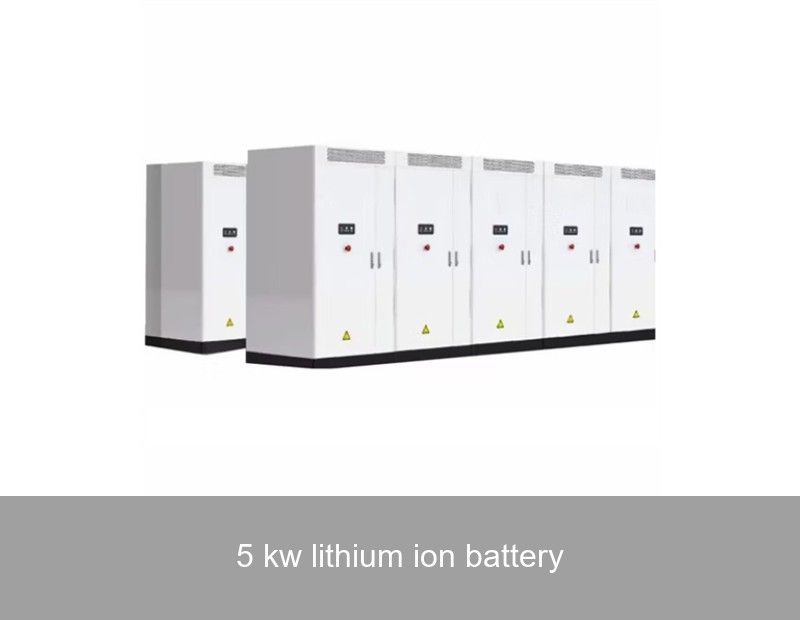
Let's talk about a number that's quietly revolutionizing how we power our homes and businesses: 5 kilowatts (kW). You've likely seen it in solar panel specs or, more importantly, attached to the latest energy storage systems. But what does a 5 kW lithium ion battery truly mean for you? Is it just a bigger "power bank" for your house, or is it the key to unlocking true energy resilience and financial savings? As someone who's spent years in the renewable energy sector, I can tell you it's the latter. This specific capacity has emerged as the sweet spot for a wide range of applications, and understanding its potential is the first step toward taking control of your energy future.
Beyond Backup: The True Value of a 5 kW Lithium-Ion Battery
The common misconception is that batteries are only for blackouts. While that's a crucial benefit, the real magic happens daily. A 5 kW lithium ion battery system refers to its power output—its ability to deliver 5,000 watts of electricity at any given moment. This is paired with its energy capacity, measured in kilowatt-hours (kWh), which tells you how long it can sustain that output. A typical setup might be a 5kW inverter with a 10-15 kWh battery capacity.
Why is this size so impactful?
- Matches Common Loads: It can simultaneously power essential circuits in an average home—refrigerator, lights, internet, a couple of rooms of HVAC—during an outage without breaking a sweat.
- Maximizes Solar Self-Consumption: It stores excess solar energy produced at midday for use in the evening, drastically reducing your reliance on the grid. The U.S. Department of Energy highlights this as a core strategy for maximizing solar investment.
- Financial Arbitrage: In regions with time-of-use rates, you can store cheap off-peak energy or solar power to avoid buying expensive peak-hour electricity.

Image Source: Unsplash - A modern home equipped for solar energy storage.
Real-World Case Study: The German Bakery's Rise in Resilience
Let's move from theory to practice. Consider a small artisanal bakery in Bavaria, Germany. Their challenge wasn't just occasional outages; it was crippling demand charges and volatile energy prices. Their dough mixers, ovens, and cooling systems created sharp spikes in power usage.
They installed a tailored 5 kW / 15 kWh lithium-ion battery system paired with an existing solar array. Here's what the data showed after one year:
| Metric | Before Installation | After Installation |
|---|---|---|
| Grid Energy Import (Peak Hours) | ~65% of daily use | ~15% of daily use |
| Monthly Demand Charges | €320 average | €95 average |
| Solar Self-Consumption Rate | 35% | Over 85% |
The battery system was programmed to "peak shave"—discharging strategically during those short, high-power bursts of oven use to keep the overall grid draw below a costly threshold. This direct financial benefit, coupled with a reliable power supply for their fermentation chambers, provided a return on investment in under 7 years, not even factoring in rising energy costs. This case illustrates the 5 kW lithium ion battery as a dynamic business tool, not just passive storage.
Choosing the Right 5 kW System: It's Not Just About the Battery
Not all 5 kW systems are created equal. The battery chemistry, management system, and inverter integration are what separate a good system from a great one. Lithium Iron Phosphate (LFP) chemistry, for instance, has become the preferred choice for residential and commercial storage due to its superior safety, longevity (often 6,000+ cycles), and stability compared to older NMC formulations. The Fraunhofer Institute provides excellent research on the evolution of these battery technologies.
Key components to scrutinize:
- Battery Management System (BMS): The brain of the operation. A sophisticated BMS ensures each cell operates safely, balances charge, and maximizes lifespan.
- Hybrid Inverter Compatibility: The inverter must intelligently manage energy flow between solar, battery, grid, and home loads. Seamless integration is non-negotiable.
- Scalability: Can you easily add more battery capacity later if your needs grow? A modular design is a significant advantage.
The Highjoule Solution: Engineered for Performance and Peace of Mind
This is where our expertise at Highjoule comes into sharp focus. Since 2005, we've understood that providing a 5 kW lithium ion battery is about delivering a complete energy ecosystem. Our HES-Series residential and commercial storage systems are built around this philosophy.
Our 5 kW hybrid inverter coupled with our modular LFP battery units (expandable from 10 kWh upwards) is designed for the demands of the European and North American markets. What sets the Highjoule system apart?
- Predictive Energy AI: Our system doesn't just react; it learns your usage patterns and weather forecasts to optimize charge/discharge cycles for maximum savings and readiness.
- Grid Services Ready: In supported areas, our systems can be configured to participate in virtual power plant (VPP) programs, allowing you to contribute to grid stability and earn additional revenue.
- Professional Integration: We work through a network of certified installers to ensure your system is not just a component, but a fully realized solution tailored to your property's specific electrical profile and energy goals.

Image Source: Unsplash - A sleek, modern home battery storage unit installed on a wall.
Your Energy, Your Future: What Will You Power?
The journey to energy independence isn't a one-size-fits-all path. It starts with a clear understanding of your needs. Are you looking to secure your home against increasing grid instability, as discussed in reports from the International Energy Agency? Or are you driven by the desire to lock in long-term energy costs and maximize your solar investment?
A robust 5 kW lithium ion battery system is more than an appliance; it's a declaration of energy self-determination. It's the technology that lets you keep the lights on, your business running, and your future predictable.
What's the first load you would secure with your own reliable power, and how would transforming that energy expense into an investment change your outlook for the next decade?
 Inquiry
 Online Chat