


Power On the Move: Unlocking Flexibility with the 5kVA Energy Storage Cabinet Trolley
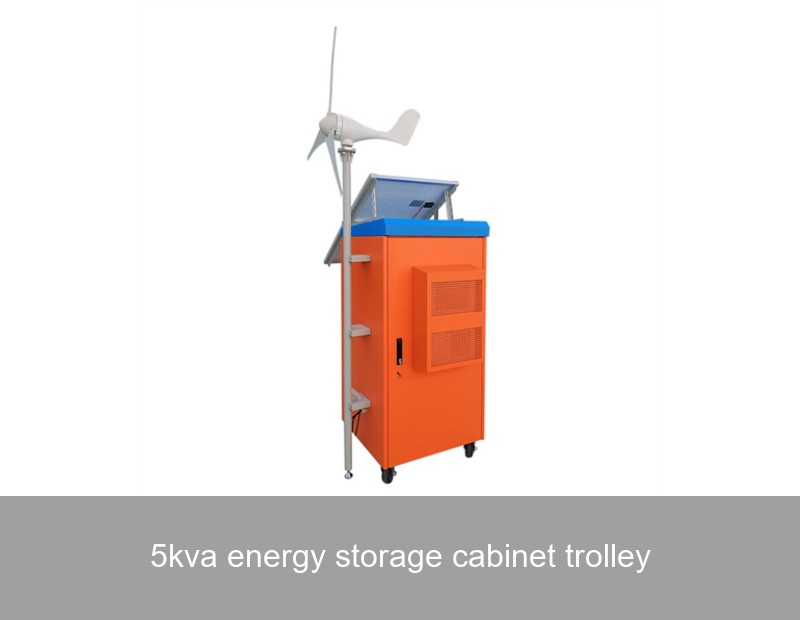
Imagine needing reliable, clean power in a location where the grid is unreliable, non-existent, or simply too expensive to reach. Perhaps it's a temporary construction site, a remote film shoot, a critical outdoor event, or a mobile medical clinic. For decades, the answer was the loud, polluting, and fuel-dependent diesel generator. But a quiet revolution is rolling in—literally. Enter the 5kVA energy storage cabinet trolley, a game-changing solution that combines substantial power capacity with unprecedented portability. This isn't just a battery in a box; it's a self-contained, intelligent power station on wheels, redefining how we access energy for dynamic and demanding applications.
Table of Contents
- What is a 5kVA Energy Storage Cabinet Trolley?
- The High Cost of "Always-On" Power: Moving Beyond Diesel
- The Technology Core: More Than Just a Big Battery
- A Real-World Case: Powering a Sustainable Film Production
- Highjoule's Mobile Power Solutions: Engineered for Reliability
- Choosing the Right Mobile Energy Storage for Your Needs
What is a 5kVA Energy Storage Cabinet Trolley?
Let's break down the name. 5kVA (kilo-Volt-Ampere) refers to the apparent power rating, indicating it can handle a continuous load of around 5,000 watts—enough to simultaneously run essential equipment like lighting arrays, professional tools, communication systems, and medical devices. Energy Storage Cabinet signifies its core: a high-density lithium-ion battery system, along with all the critical components for safe operation, housed in a robust, protective enclosure. The key differentiator is the Trolley: integrated wheels and a handle, transforming a stationary power unit into a mobile asset. This combination creates a versatile, zero-emission power source that can be deployed in minutes, anywhere it's needed.
The High Cost of "Always-On" Power: Moving Beyond Diesel
The traditional reliance on diesel generators for mobile or backup power comes with significant, often hidden, burdens. Beyond the obvious noise and air pollution, operational costs are volatile and high. Fuel prices fluctuate, generators require constant refueling and maintenance, and they operate inefficiently at partial load. According to the U.S. Environmental Protection Agency, a single gallon of diesel burned produces approximately 10.2 kilograms of CO2. For a small generator running 10 hours a day, that can quickly translate into tons of unnecessary emissions over a project's lifespan.
The market is shifting. Businesses and organizations are under increasing pressure—from regulations, community expectations, and their own ESG (Environmental, Social, and Governance) goals—to decarbonize operations. Furthermore, the need for truly silent operation in sectors like events, film, and healthcare is non-negotiable. This creates a perfect scenario for the adoption of mobile battery storage: a clean, quiet, and increasingly cost-competitive alternative.
The Technology Core: More Than Just a Big Battery
A modern 5kVA trolley system is an intelligent piece of engineering. Its capabilities extend far beyond simple energy storage:
- Advanced Battery Management System (BMS): The brain of the unit. It ensures each battery cell operates within safe voltage, temperature, and current ranges, maximizing lifespan and safety.
- Pure Sine Wave Inverter: This component converts the battery's DC power to high-quality AC power that is as good as, or better than, grid power. It's safe for sensitive electronics like laptops, medical imaging equipment, and professional audio/video gear.
- Multiple Charging Inputs: Flexibility is key. The best units can be charged from the grid, a generator (for hybrid setups), or, most importantly, from solar panels. This turns the trolley into a true solar generator, capable of harnessing free sunlight for off-grid independence.
- User-Friendly Interface & Connectivity: An intuitive display shows vital stats: state of charge, input/output power, and system health. Many models, like those from Highjoule, offer Bluetooth or WiFi connectivity for remote monitoring and control via a smartphone app.

Image: A modern mobile energy storage unit, showcasing portability and a clean industrial design. Source: Unsplash
A Real-World Case: Powering a Sustainable Film Production
Let's look at a concrete example from the European market. A documentary film crew was planning a 3-week shoot in a protected natural area in the Scottish Highlands. Grid connection was miles away, and local regulations strictly prohibited noise pollution and the use of fossil fuel generators on-site. Their power needs included camera batteries, drone charging stations, lighting for interviews (approx. 1.5kW), and catering/field office equipment (laptops, kettle, etc.), totaling a peak demand of around 4kVA.
The Solution: The production rented two 5kVA energy storage cabinet trolleys, paired with a foldable 2.4kW solar array. The Data & Outcome:
| Metric | Result |
|---|---|
| Daily Energy Consumption | ~8-10 kWh |
| Solar Generation (Avg. Scottish Summer Day) | ~9-12 kWh |
| Diesel Generator Usage | 0 hours |
| Estimated CO2 Savings | Over 500 kg (vs. a comparable diesel gen-set) |
| Noise Level on Set | Ambient only |
The trolleys were charged daily by the solar panels, with a silent grid top-up available at their overnight accommodation. The crew achieved a near-zero-emission shoot, complied with all environmental rules, and eliminated fuel logistics and costs. The producer noted, "The silent operation was invaluable—we captured natural soundscapes and wildlife audio that would have been impossible with a generator."
Highjoule's Mobile Power Solutions: Engineered for Reliability
At Highjoule, with nearly two decades of expertise in advanced energy storage, we understand that mobile power needs to be as dependable as it is flexible. Our M-Power Series of mobile energy storage cabinets is designed for the rigors of real-world use. Building on our core technology used in commercial and residential stationary storage, these trolley systems are engineered for durability, safety, and simplicity.
Our 5kVA-class units feature industry-leading LiFePO4 (Lithium Iron Phosphate) battery chemistry, known for its exceptional safety profile and long cycle life—often exceeding 6,000 cycles. The integrated system includes our proprietary AI-powered BMS for optimal performance and a multi-mode inverter/charger that seamlessly integrates with grid, generator, or solar input. The robust, roll-cage style enclosure and heavy-duty wheels are tested to withstand tough job site conditions. For larger needs, our systems can be configured for parallel operation, scaling up power and capacity effortlessly. We don't just sell a product; we provide a complete, intelligent power solution backed by global service and support.

Image: Solar panels charging a portable power system in a field, demonstrating off-grid renewable energy setup. Source: Unsplash
Choosing the Right Mobile Energy Storage for Your Needs
When evaluating a 5kVA energy storage trolley, consider these key factors:
- Actual Capacity (kWh): kVA tells you the power "draw" capability; kWh tells you the energy "bucket" size. A 5kVA unit with a 10kWh battery will run a 2kW load for about 5 hours.
- Battery Chemistry & Warranty: Prioritize LiFePO4 for safety and longevity. Look for a warranty that guarantees a high percentage of original capacity after a certain number of cycles or years.
- Solar Readiness: Ensure it has a built-in MPPT solar charge controller with a suitable voltage range for your intended solar panels.
- Output Ports: Check for a variety of outlets (e.g., 120V/230V AC, 12V DC, USB-C PD) to directly power all your devices.
- Total Cost of Ownership: Factor in not just purchase price, but the savings from zero fuel, minimal maintenance, and potential renewable energy integration over a 10+ year lifespan.
The transition to electric, decentralized power is accelerating. As noted by research from the International Energy Agency, secure and flexible energy storage is a cornerstone of a resilient and clean energy future—and this applies to mobile applications just as much as to grid-scale projects.
Could a mobile, clean energy solution like a 5kVA storage trolley be the key to unlocking new levels of operational efficiency, sustainability, and quiet reliability for your next project? What's the one operational challenge you face today that silent, movable power could solve?
 Inquiry
 Online Chat