


Unlocking Energy Independence: A Deep Dive into the 6.2 kVA Hybrid Energy Storage Cabinet
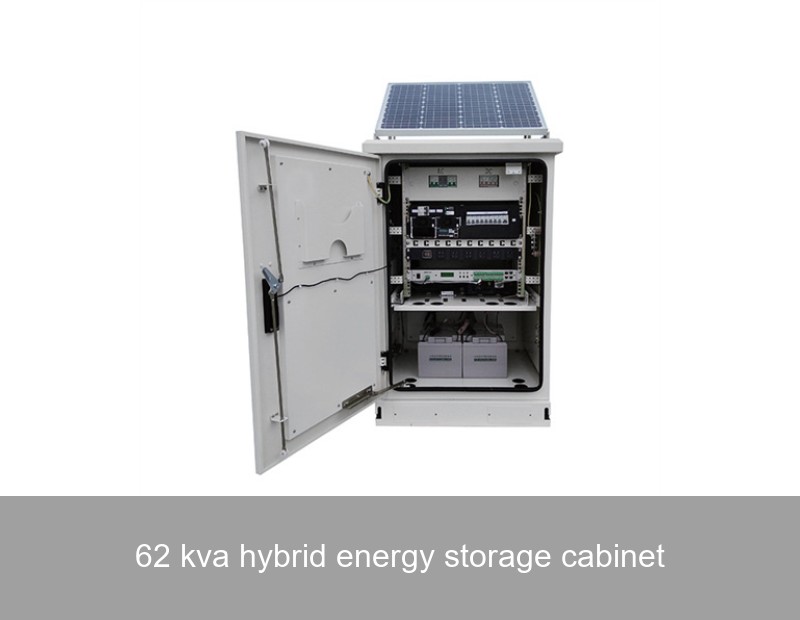
Imagine a world where your business or home is shielded from grid outages, energy price spikes, and the inherent intermittency of solar power. This isn't a distant future; it's the reality enabled by advanced energy storage solutions like the 6.2 kVA hybrid energy storage cabinet. As grids face increasing pressure and renewable adoption soars, these intelligent systems are becoming the cornerstone of a resilient, efficient, and sustainable energy strategy. In this article, we'll explore what makes a 6.2 kVA hybrid cabinet a game-changer and how it seamlessly integrates multiple energy sources to provide clean, reliable power on your terms.
Table of Contents
- What is a 6.2 kVA Hybrid Energy Storage Cabinet?
- The Urgent Need: Why Hybrid Storage is No Longer Optional
- Real-World Impact: A Case Study from California
- Choosing the Right System: What to Look For
- The Future of Your Energy
What is a 6.2 kVA Hybrid Energy Storage Cabinet?
Let's break down the terminology. "6.2 kVA" refers to the system's power rating—its ability to deliver 6.2 kilovolt-amperes of apparent power. In simpler terms, it defines how much electrical load the system can support simultaneously, making it an ideal size for small to medium commercial operations, large homes, or critical backup needs. "Hybrid" is the key descriptor. Unlike a simple battery backup, a hybrid system integrates multiple functions: it can connect to solar panels (PV), the utility grid, and often a generator, intelligently managing energy flow between all these sources. The "cabinet" denotes an all-in-one, containerized solution that houses the batteries, hybrid inverter, battery management system (BMS), and cooling and safety mechanisms in a single, robust enclosure.
Companies like Highjoule have pioneered these integrated solutions. Since 2005, Highjoule has specialized in designing smart, efficient storage systems that do more than just store energy—they optimize it. Their hybrid cabinets are engineered for durability and intelligence, capable of performing peak shaving, time-of-use optimization, and providing seamless backup power, all managed through intuitive software.

Image Source: Unsplash - Representative image of advanced energy storage hardware.
The Urgent Need: Why Hybrid Storage is No Longer Optional
The energy landscape is shifting rapidly. Two dominant phenomena are driving the demand for solutions like the 6.2 kVA hybrid cabinet:
1. Grid Instability and Rising Costs: From extreme weather events in the US to the energy security concerns in Europe, grid reliability is a growing challenge. The U.S. Energy Information Administration (EIA) notes that the frequency and duration of power outages are a significant concern for businesses. Meanwhile, electricity prices continue to climb, eating into operational profits.
2. The Solar Intermittency Gap: Solar power is fantastic—until the sun goes down or clouds roll in. This creates a mismatch between when energy is generated and when it's needed most. Without storage, excess solar energy is often exported to the grid at low rates, while power is purchased back at high rates in the evening. This limits the return on investment for solar panels and doesn't solve the backup power problem.
A hybrid energy storage cabinet directly addresses these issues. It captures surplus solar energy for use later, reduces demand from the grid during expensive peak hours (peak shaving), and ensures critical operations never go dark.
How a 6.2 kVA Hybrid Cabinet Works: The Technology Breakdown
Think of the hybrid cabinet as the intelligent conductor of your personal energy orchestra. Here’s how its components work in harmony:
- The Hybrid Inverter: The brain of the operation. It converts DC power from solar panels and batteries to AC power for your building. Crucially, it can manage multiple input sources simultaneously, deciding in real-time whether to use solar, battery, or grid power based on cost and need.
- The Battery Bank: Typically using lithium-ion phosphate (LiFePO4) chemistry for safety and longevity, this is the energy reservoir. A 6.2 kVA system is often paired with a substantial energy capacity (e.g., 10-20 kWh) to provide meaningful backup and savings.
- Integrated Battery Management System (BMS): This safeguards the battery, monitoring cell voltage, temperature, and state of charge to ensure optimal performance and a long lifespan.
- Grid & Generator Interfaces: The system safely connects to the main grid for charging or exporting (where permitted) and can often integrate a backup generator for extended outages.
Highjoule's systems, for instance, incorporate advanced AI-driven energy management software. This platform learns your consumption patterns and automatically configures the system to maximize self-consumption of solar energy and minimize grid dependency, all while protecting your sensitive equipment with pure sine wave output.
Real-World Impact: A Case Study from California
Let's move from theory to practice. Consider a mid-sized winery in Sonoma County, California. The region faces Public Safety Power Shutoffs (PSPS) to prevent wildfires, and the winery's refrigeration and fermentation processes are critically dependent on stable, 24/7 power.
Challenge: Protect against multi-day grid outages, reduce high time-of-use electricity charges, and maximize the use of their existing 25 kW rooftop solar array.
Solution: Installation of a Highjoule 6.2 kVA hybrid energy storage cabinet with 16 kWh of LiFePO4 storage, integrated with their solar PV and a small backup generator.
| Metric | Result |
|---|---|
| Energy Cost Savings | Reduced grid electricity purchases by 68% |
| Backup Power During Outages | Provided seamless power for critical loads for over 36 hours without generator start |
| Solar Self-Consumption | Increased from 40% to over 85% |
| ROI Timeline | Projected payback in under 5 years, factoring in state incentives (SGIP) |
This case, mirrored by many across Europe and the US, demonstrates the tangible value proposition. The system didn't just provide insurance; it became a profit-protecting asset. Data from the National Renewable Energy Laboratory (NREL) supports this, showing how storage-plus-solar increases resilience and economic value.

Image Source: Unsplash - Example of commercial renewable energy installation.
Choosing the Right System: What to Look For
Not all hybrid storage cabinets are created equal. When evaluating a 6.2 kVA solution, consider these critical factors:
- Battery Chemistry & Warranty: Prioritize LiFePO4 for safety and cycle life. Look for a warranty guaranteeing at least 70% capacity retention after 10 years or 6,000 cycles.
- Inverter Efficiency: A high conversion efficiency (e.g., >97%) means less energy is wasted as heat, putting more of your harvested solar to work.
- Scalability: Can you easily add more battery capacity in the future if your needs grow? Modular designs offer this flexibility.
- Software & Monitoring: The user interface is your window into the system. It should provide clear data on energy flows, savings, and system health, preferably accessible via a mobile app.
- Compliance & Certification: For the US and European markets, ensure the system has all necessary certifications (e.g., UL 9540, IEC 62619) for safe and permitted installation.
This is where deep expertise matters. Highjoule provides not just certified hardware but full turnkey services—from initial energy audit and system design to professional installation, commissioning, and ongoing monitoring. Their global experience ensures the system is configured for your specific local grid rules and incentive structures.
The Future of Your Energy
The transition from a passive energy consumer to an active energy manager is underway. A 6.2 kVA hybrid energy storage cabinet is a powerful tool that puts you in control, turning renewable energy into a truly reliable source. It's an investment that pays dividends in reduced bills, operational resilience, and a smaller carbon footprint.
What would the ability to operate independently from the grid for a day, or even days, mean for your business or home? What critical loads would you prioritize, and how much could you save by avoiding peak demand charges? The answers to these questions start with understanding the capabilities of modern hybrid storage.
 Inquiry
 Online Chat