


8 kVA Inverter How Much? Unpacking the True Cost of Power Independence
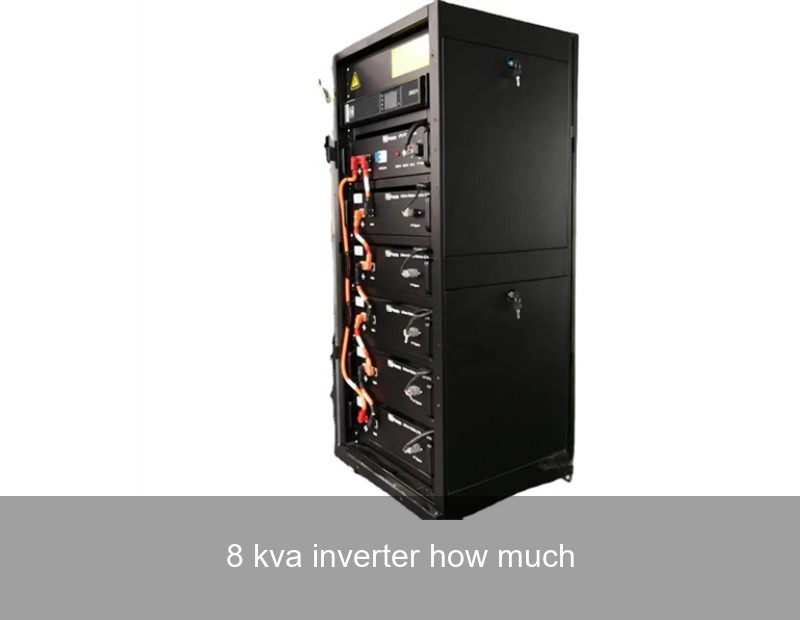
If you're researching energy solutions for your home or business, you've likely landed on the specification "8 kVA inverter." And your immediate, burning question is probably, "8 kVA inverter how much does it cost?" It's a great starting point, but as a specialist at Highjoule, I often tell our clients that focusing solely on the inverter's price tag is like buying a car based only on the cost of the engine. The true value—and total investment—lies in the complete system and the long-term benefits it delivers. Let's dive into what an 8 kVA system can do and what factors genuinely influence its cost.
Understanding What "8 kVA" Really Means
First, let's demystify the term. kVA stands for kilovolt-ampere, a unit of apparent power. For most residential and small commercial solar+storage systems, you can roughly equate 1 kVA to 1 kW (kilowatt) of power. So, an 8 kVA inverter can continuously deliver up to 8,000 watts of power to run your appliances.
What can an 8 kVA system handle? This capacity is a popular sweet spot because it's powerful enough for:
- A medium-to-large family home with standard appliances (refrigerator, LED lighting, TV, computers).
- Essential loads in a small business, retail shop, or workshop.
- Powering critical circuits during an outage, including well pumps or smaller air conditioning units.
However, the inverter is just one component. To answer "8 kVA inverter how much," we must consider the ecosystem it operates within: batteries, solar panels, installation, and intelligent software.
The Real Cost of an 8 kVA Inverter: A Detailed Breakdown
Let's break down the costs. Prices vary by region, technology, and brand, but this table outlines a typical range for a complete, high-quality hybrid system (inverter + batteries + solar) in the US and European markets.
| System Component | Role | Estimated Cost Range (USD/EUR) | Notes |
|---|---|---|---|
| 8 kVA Hybrid Inverter | The brain and heart; converts DC from solar/batteries to AC for your home. | $1,800 - $3,500 | Price varies by features (e.g., grid-support functions, number of MPPTs for solar). |
| Battery Storage (10-20 kWh) | Stores energy from solar/grid for use at night or during outages. | $4,000 - $12,000+ | The largest variable. Depends on chemistry (LiFePO4 is premium), capacity, and lifespan. |
| Solar Panel Array (6-10 kW) | Generates free, renewable energy to charge the batteries and power your loads. | $4,500 - $8,000 | Size depends on your energy goals and roof space. |
| Balance of System & Installation | Wiring, safety gear, mounting, permits, and professional labor. | $2,000 - $5,000 | Critical for safety, performance, and warranty compliance. |
| Total Estimated System Cost | $12,300 - $28,500+ | Before incentives and rebates. | |
Notice how the inverter itself is often less than 20% of the total project. This is why at Highjoule, we focus on system-level value. Our Highjoule H8 Series Hybrid Inverter is designed as the centerpiece of an integrated system, optimizing every watt from your solar panels and every cycle from your batteries to deliver a faster return on investment.

Image: A complete solar and storage installation involves careful planning and integration. (Source: Unsplash)
A Real-World Case: The Johnson Family Farm
Let's look at real data. The Johnson family runs a small dairy farm in Bavaria, Germany. Facing unreliable grid power and high energy costs, they installed an 8 kVA system in 2022.
- System: Highjoule H8 Inverter (8 kVA) + 15 kWh LiFePO4 battery + 9 kW solar array.
- Total Cost: €24,500 (before the German EEG incentives).
- Result: Their grid dependence dropped by 85% in the first year. During a major 18-hour grid outage, their critical cooling systems and farm operations continued uninterrupted. Their projected payback period, with incentives and energy savings, is under 7 years.
This case shows the "cost" is better framed as an investment in resilience and predictable energy bills.
Highjoule's Smart 8 kVA Solutions: Beyond the Box
When you choose an 8 kVA solution from Highjoule, you're not just buying hardware. Our systems are built on 18+ years of expertise in global grid challenges. Here’s what sets our approach apart:
- The H8 Hybrid Inverter: More than just 8 kVA of power, it features advanced grid-assist functions, seamless switching during outages (<20ms), and integrated energy management software that learns your usage patterns.
- Highjoule EnergyOS: This proprietary platform turns your system into a smart energy asset. It can automatically optimize for time-of-use rates (common in California and parts of Europe), sell excess power back to the grid where allowed, and provide detailed analytics via a user-friendly app.
- Future-Proof Design: Our systems are modular. You can start with a smaller battery bank and expand later, or add more solar panels as your needs grow, protecting your initial investment.
We provide end-to-end support, from initial site assessment and regulatory guidance to professional installation by our certified partners and 24/7 system monitoring.
How to Choose the Right 8 kVA System for You
To move from a generic price to a meaningful quote, ask yourself and potential providers these questions:
1. What is My Primary Goal?
- Blackout Protection: How many essential circuits do you need to back up? This determines battery size.
- Bill Savings: Analyze your past utility bills. How much energy do you consume, and what are your peak rates?
- Solar Self-Consumption: Do you want to maximize the use of your own solar generation?
2. What About Installation and Long-Term Service?
A cheap inverter installed poorly is a costly mistake. Ensure your installer is certified and understands local grid codes. Highjoule works with a network of trusted, certified installers across Europe and North America to ensure your system is commissioned correctly and maintains its warranty.

Image: A sleek, professionally installed storage system integrates seamlessly into a home. (Source: Unsplash)
3. What are the Hidden "Costs" of a Cheaper System?
Lower efficiency (wasting precious solar energy), shorter battery lifespan, lack of scalable software, and poor customer support can erode savings quickly. Investing in a robust, intelligent system like Highjoule's often yields a lower total cost of ownership over 15+ years.
Your Energy Independence Journey
So, "8 kVA inverter how much?" The honest answer is: it depends entirely on the solution it's a part of and the problems you need it to solve. The initial price is a single data point in a 20-year financial and operational picture.
What specific energy challenge—be it reliability, cost, or sustainability—is pushing you to consider an 8 kVA system today, and how would solving it change your daily life or business operations?
 Inquiry
 Online Chat