


AC/DC Energy Suppliers: The Unsung Heroes of the Modern Power Grid
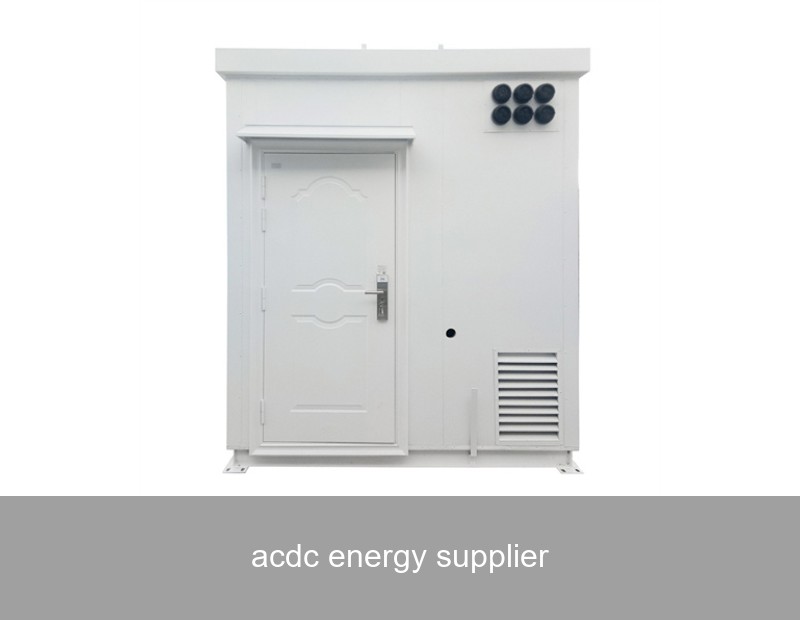
Have you ever stopped to think about the journey of the electricity powering your home or business? It's a fascinating trip involving a critical, yet often invisible, player: the AC/DC energy supplier. This isn't about a rock band, but about the fundamental process of converting and conditioning power to make our modern, renewable-heavy grid possible. As we integrate more solar panels, batteries, and electric vehicles, the role of sophisticated power conversion systems becomes paramount. They are the essential translators in our energy ecosystem, ensuring the smooth, efficient, and safe flow of electricity from where it's generated to where it's consumed.
The Core Challenge: Why We Need AC/DC Conversion
Our power grids primarily operate on Alternating Current (AC). It's excellent for transmitting electricity over long distances with minimal losses. However, most modern technologies—from the laptop you're using to the batteries storing solar energy—run on Direct Current (DC). Solar panels produce DC power. Your home battery stores it as DC. This fundamental mismatch is the central problem that AC/DC energy suppliers solve.
Think of it like languages: the grid "speaks" AC, but your solar panels and batteries "speak" DC. An inverter acts as a translator, converting DC to usable AC for your home. But a truly intelligent AC/DC energy supplier does much more than simple translation. It manages power flow bi-directionally, optimizes for efficiency, ensures grid stability, and protects your equipment. With the rise of distributed energy resources, this role has evolved from a simple component to the brain of a site's energy system.

Image Source: Unsplash - Representative image of advanced power electronics
Beyond Basic Inverters: The Rise of Intelligent AC/DC Energy Suppliers
Today's challenges require more than just conversion. We need intelligent energy management. Here’s what separates a basic inverter from a modern AC/DC energy supply system:
- Bi-directional Power Flow: Not only converting DC to AC but also seamlessly converting AC from the grid to DC to charge batteries.
- Grid Services Support: Advanced systems can help stabilize the grid by providing frequency response or voltage support, turning your installation into a grid asset.
- Efficiency at All Loads: Peak efficiency isn't enough. Superior systems maintain high efficiency across a wide range of power outputs, saving energy during partial use.
- Integrated Energy Management: They communicate with solar arrays, multiple battery racks, and grid signals to autonomously optimize for self-consumption, cost, or carbon footprint.
The Data: How Efficient Conversion Impacts Your Bottom Line
Let's talk numbers. Efficiency percentages might seem abstract, but they have a direct financial impact. Consider a commercial solar-plus-storage system with a 500 kW DC solar array.
| Inverter/System Efficiency | Usable AC Output (Annual, est.) | Potential Revenue Loss (vs. 99%)* |
|---|---|---|
| 97% (Industry Standard) | 485 kW AC | ~€3,000 per year |
| 99% (Advanced System) | 495 kW AC | Baseline |
*Assumptions: 1,500 full-load hours/year, electricity price of €0.25/kWh. Losses compound further when considering battery charge/discharge cycles.
That 2% difference represents lost energy and lost revenue year after year. Furthermore, according to a report by the National Renewable Energy Laboratory (NREL), power electronics are key to unlocking grid flexibility and enabling higher penetrations of renewables. The right AC/DC energy supplier is an investment, not just a cost.
Case Study: A Berlin Bakery's Recipe for Energy Independence
Let's look at a real-world example. "Brot & Kraft," a mid-sized artisan bakery in Berlin, faced soaring energy costs and wanted to hedge against price volatility while supporting sustainability. Their challenge: solar production peaked mid-day, but their highest energy consumption was early morning (oven pre-heating) and had a constant base load from refrigeration.
They partnered with an integrator who deployed a solution centered on a Highjoule HI-Titan Commercial Energy Storage System. The core of this system is its integrated, high-efficiency bi-directional inverter—the intelligent AC/DC energy supplier.
- System: 120 kWp Solar PV + 240 kWh Highjoule HI-Titan Battery + Intelligent Energy Management.
- The AC/DC Brain's Role: The system's power conversion system constantly calculates the optimal flow: charging batteries with excess solar, discharging to cover morning peaks, and even selling small amounts back to the grid during high-price periods.
- Results (12-month period):
- Self-consumption of solar power increased from 35% to 82%.
- Grid electricity purchases reduced by 73%.
- Projected payback period: Under 7 years, with significant protection from future price hikes.
The bakery's manager noted: "The system runs silently in the background. We just bake bread. The peace of mind knowing our energy costs are predictable and controlled is invaluable."

Image Source: Unsplash - Representative image of a commercial battery energy storage system
Highjoule's Role: Delivering Intelligent AC/DC Solutions
At Highjoule, we understand that the inverter or power conversion system is the heart of a reliable storage solution. Since 2005, we've evolved from a component supplier to a comprehensive AC/DC energy supplier and system integrator. Our products, like the HI-Titan for commercial/industrial use and the HI-Residential series, are built around our proprietary power electronics platform.
What does this mean for you? It means our systems are engineered for:
- Ultra-High Efficiency: Maximizing every kilowatt-hour of solar generation or battery storage, directly impacting ROI.
- Unmatched Reliability: Built with robust components and intelligent thermal management for a 20+ year design life.
- Grid-Interactive Intelligence: Ready to provide value to both the owner and the grid, future-proofing your investment.
- Seamless Integration: Our systems are designed to work harmoniously with leading solar inverters and building management systems, offering a true, intelligent AC/DC energy supplier solution.
We don't just sell hardware; we provide a complete, intelligent power platform that manages the complex dance between AC and DC, generation and consumption, storage and grid.
Choosing the Right AC/DC Energy Supplier Partner
Selecting the core technology for your energy investment is crucial. Here are key questions to ask any potential provider:
- What is the weighted efficiency (CEC, Euro) of your system across a typical load profile, not just peak efficiency?
- How does your system manage thermal loads to ensure longevity and maintain efficiency on hot days?
- Can the system's software adapt to changing grid tariffs and regulations?
- What is the depth of system integration? Is it a single-vendor, optimized platform, or a patchwork of components?
The energy landscape is shifting from centralized, one-way flow to a decentralized, interactive network. In this new world, the intelligence of your AC/DC energy supplier will determine your level of control, resilience, and savings.
 Inquiry
 Online Chat