


Why Your Business Needs Resilient ESS Backup Power Systems
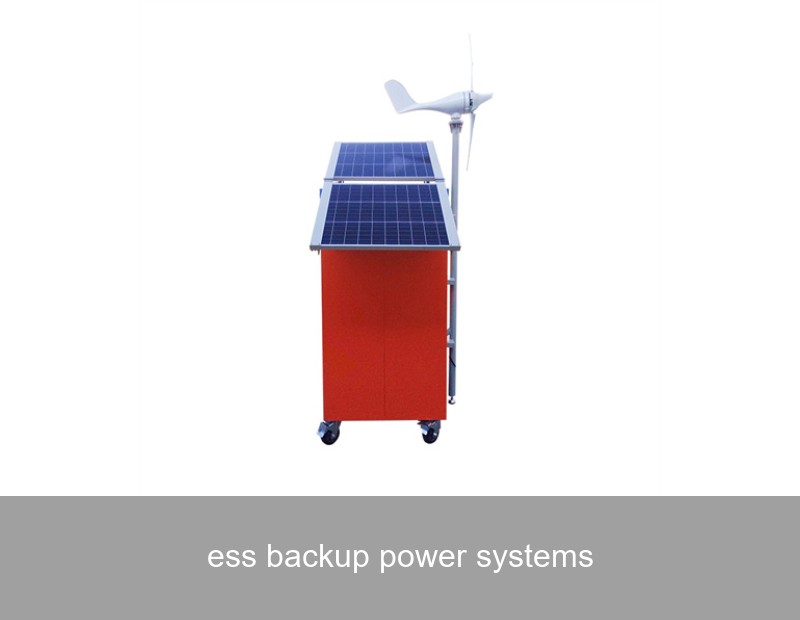
Imagine this: a critical data center in Frankfurt goes dark for 30 seconds. A precision manufacturing line in Ohio grinds to a halt. A supermarket's cold storage in Madrid begins to warm. These aren't just hypotheticals; they are costly, disruptive realities of an unreliable power grid. The frequency of severe weather events, aging infrastructure, and shifting energy demands have made power interruptions a significant operational risk. This is where modern ESS backup power systems come in—transforming from simple emergency stopgaps into intelligent, strategic assets for energy resilience and cost management. As a leader in advanced energy storage, Highjoule is at the forefront of this shift, providing smart, sustainable power solutions that keep businesses running and profitable.
Table of Contents
The New Reality: Beyond the Traditional Generator
For decades, the diesel generator was the default answer for backup power. But let's be honest: they're noisy, polluting, require constant fuel supply and maintenance, and often take valuable seconds to kick in—seconds that modern digital infrastructure cannot afford. The landscape of threats has also evolved. It's not just about blackouts anymore; it's about brownouts (voltage dips), micro-interruptions, and poor power quality that can silently damage sensitive equipment.
According to a U.S. Energy Information Administration report, major power outages in the U.S. have increased roughly 60% over the past five years. In Europe, grid stability challenges are amplified by the rapid integration of intermittent renewable sources. This new reality demands a new solution: an Energy Storage System (ESS) that provides seamless, instant backup power while delivering daily financial value.

Modern facilities require a more resilient power backbone than ever before.
How Modern ESS Backup Power Systems Work: More Than a Battery
Think of a contemporary ESS as the "brain and brawn" of your facility's energy ecosystem. It's not just a bank of batteries sitting in a room. It's an integrated system comprising:
- Battery Racks: High-density, lithium-ion or LFP (Lithium Iron Phosphate) cells for safety and longevity.
- Power Conversion System (PCS): The intelligent inverter that manages AC/DC conversion and grid interaction.
- Energy Management System (EMS): The true "brain." This software platform makes autonomous decisions based on electricity prices, grid conditions, and your load patterns.
- Thermal Management & Safety Systems: Ensures optimal performance and safety under all conditions.
So, how does it function for backup? When the grid fails, the PCS detects the outage in milliseconds (less than 20ms, often within a cycle), isolates your facility from the grid in a "black start" procedure, and begins discharging stored energy to your critical loads—seamlessly and silently. There's no engine to start, no fuel burn. The transition is so smooth that servers don't reboot and production lines don't falter.
The Financial Case: Data-Driven Savings
Here's the transformative part: while a generator sits idle 99% of the time, a modern ESS works for you every single day. This is where the logic shifts from a cost center (insurance) to a profit center. How? Through intelligent energy arbitrage and grid services.
| Function | How It Saves/Makes Money | Typical Value Stream |
|---|---|---|
| Peak Shaving | Discharges during expensive peak rate hours, reducing demand charges. | Can reduce commercial electricity bills by 20-40%. |
| Time-of-Use Optimization | Stores cheap off-peak or solar energy, uses it during peak times. | Leverages price spreads in markets like California or Germany. |
| Grid Services (Frequency Regulation) | Provides fast-response power to stabilize the grid (in some markets). | Creates a direct revenue stream from grid operators. |
| Backup Power | Prevents losses from downtime, spoiled inventory, and operational delays. | Value of avoided disruption (often millions for large facilities). |
This multi-functional capability delivers a compelling return on investment (ROI), often paying for the system itself within a few years through pure operational savings, all while the backup capability remains fully intact.
Case Study: Manufacturing Resilience in Bavaria
Let's look at a real-world application. A mid-sized automotive parts supplier in Bavaria, Germany, faced two major challenges: volatile energy costs eating into margins and high sensitivity to voltage dips from the regional grid, which caused robotic welding cells to fault.
Their solution: A Highjoule HI-Cube 500 industrial ESS, a 500 kWh / 250 kW system. The system was integrated behind-the-meter with their existing solar PV array.
- Implementation: The HI-Cube's EMS was programmed to prioritize peak shaving and self-consumption of solar power. Its ultra-fast response capability was set to provide ride-through for sub-second grid disturbances.
- Results (12-month period):
- Demand Charge Reduction: 28% savings on network charges.
- Increased Solar Self-Consumption: From 35% to over 80%, drastically reducing grid purchases.
- Downtime Eliminated: The system successfully mitigated 9 recorded voltage sags, preventing an estimated €185,000 in production losses and scrap.
- ROI: Projected payback period of 4.2 years based on energy savings alone, not counting the avoided downtime value.
"The Highjoule system solved two problems with one investment," noted the plant manager. "It turned our energy bill from a fixed headache into a manageable variable, and it gave our production team peace of mind we never had with our old diesel unit."
The Highjoule Solution: Engineered for Reliability
At Highjoule, we don't just sell components; we deliver comprehensive, intelligent ESS backup power systems tailored to the specific load profiles, risk tolerance, and financial goals of our commercial and industrial clients. Our systems are built on three core pillars:
- Uncompromising Safety: Our proprietary battery management system (BMS) and cell-level monitoring, coupled with LFP chemistry options, set the industry standard for safe, reliable operation.
- Intelligent Control: The Highjoule Neuron™ EMS platform uses AI-driven forecasting to optimize your system's dispatch. It learns your patterns, predicts weather and pricing, and automatically chooses the most profitable and protective mode of operation.
- Seamless Integration: Whether you have solar, wind, a legacy generator (which we can hybridize), or are starting from scratch, our systems are designed for simple integration. Our HI-Cube (containerized) and HI-Rack (modular indoor) solutions scale to meet needs from 100 kWh to multi-megawatt hours.

Intelligent control is what transforms a battery into a strategic asset.
Our service extends beyond installation. Highjoule's 24/7 performance monitoring and proactive maintenance ensure your system delivers peak performance and readiness for its critical backup role for decades.
Your Role in the Future Grid
The conversation around energy is shifting from mere consumption to active participation. By deploying an ESS, your business becomes a node of stability in the broader grid. You're not just protecting yourself; you're contributing to a more resilient and efficient energy network, a key consideration for ESG (Environmental, Social, and Governance) reporting and corporate sustainability goals. As noted by the International Energy Agency, demand-side flexibility from assets like distributed storage is crucial for a clean energy transition.
So, the question is no longer "Can we afford a backup power system?" but rather "Can we afford not to upgrade to an intelligent ESS that pays for itself while securing our operations?" What would the cost of just one unexpected, extended power interruption be for your business tomorrow?
 Inquiry
 Online Chat