


Finding a Reliable ACO Nigeria Supplier: Your Gateway to Uninterrupted Power
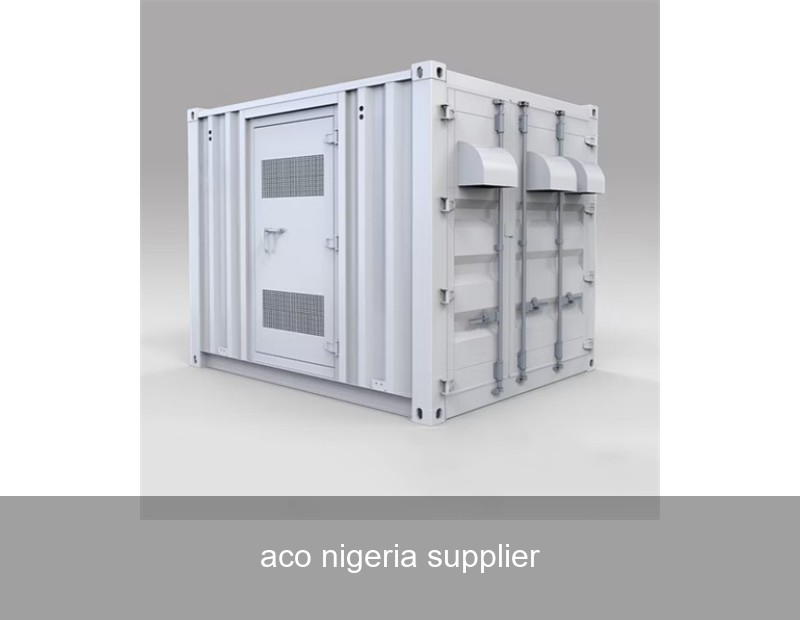
If you're operating in Nigeria's vibrant but power-challenged economy, you've likely encountered the term "ACO." More than just a product, an Automatic Changeover Switch (ACO) is a critical component for any business or facility relying on backup power. The search for a trustworthy ACO Nigeria supplier is, therefore, a search for operational resilience. This article delves beyond the simple purchase, exploring how modern energy management, particularly integrated solar and storage solutions, is redefining what "backup power" means for Nigerian industries and homes. As a global leader, Highjoule provides not just components but intelligent systems that ensure seamless, efficient, and sustainable power continuity.
Table of Contents
- The Power Gap: More Than an Inconvenience
- The ACO Evolution: From Simple Switch to Smart System
- Thinking Beyond the Switch: The Integrated Energy Solution
- Choosing a Supplier: A Partner, Not Just a Vendor
- The Future of Energy in Nigeria: A Question for You
The Power Gap: More Than an Inconvenience
The phenomenon is all too familiar: the lights flicker, machinery groans to a halt, and productivity plummets. Nigeria's energy deficit is a well-documented challenge, with the national grid often unable to meet demand. According to the World Bank, over 85 million Nigerians lacked access to grid electricity in 2021. For businesses, this isn't just about comfort; it's a direct threat to revenue, equipment safety, and contractual obligations. The immediate response has been widespread dependence on diesel and petrol generators. But this introduces a new set of problems: soaring fuel costs, deafening noise, harmful emissions, and relentless maintenance. The traditional ACO switch became a necessity to toggle between grid and generator, but it was merely managing the symptom, not curing the disease.
The ACO Evolution: From Simple Switch to Smart System
The classic Automatic Changeover Switch performs a vital but singular function. It monitors the main power supply (e.g., the national grid) and automatically transfers the electrical load to a backup source (typically a generator) when a failure is detected. Once grid power is restored, it switches back. For years, this has been the backbone of Nigerian backup systems. However, technology has moved forward. Today's advanced energy control systems, like Highjoule's Energy Management Controller (EMC), are the brains of a modern operation. Think of them as an ACO on steroids. They don't just switch between two sources; they intelligently orchestrate multiple sources: grid, generator, solar PV, and battery storage. They make decisions based on cost, fuel availability, battery state-of-charge, and even weather forecasts for solar production.
Image: Modern energy control systems go beyond simple switching. Source: Unsplash

This is where the conversation with your ACO Nigeria supplier needs to evolve. Are they providing a standalone mechanical switch, or are they offering a pathway to an intelligent, integrated system? Highjoule's solutions, deployed globally from Europe to the US, are designed for this complexity. Our EMC can be integrated with our high-efficiency commercial & industrial battery energy storage systems (BESS) and solar inverters, creating a microgrid that prioritizes the cleanest and cheapest power available, using the generator only as a last resort.
Case Study: A Lagos Hospital's Transformation
Consider a private 80-bed hospital in Lagos. Like most, it relied on a 500kVA diesel generator managed by an ACO, spending an average of ₦8 million monthly on diesel. Power cuts still caused brief voltage dips during switchover, risking sensitive medical equipment. Their goal was clear: reduce cost, ensure zero-interruption power, and lower their carbon footprint.
Working with a forward-thinking local partner trained and certified by Highjoule, the hospital implemented a hybrid solution:
- Highjoule C&I BESS: A 500kWh lithium-ion battery system for immediate backup.
- Highjoule EMC & Inverters: To manage energy flow intelligently.
- Existing Solar PV Array: Integrated into the system.
- Existing Generator: Now relegated to emergency backup only.
The new system operates seamlessly. During the day, solar power runs the facility and charges the batteries. At night or during grid outages, the BESS takes over instantly, with no switching delay. The generator only starts if a prolonged outage depletes the batteries. The results after one year were transformative:
| Metric | Before Solution | After Highjoule Solution |
|---|---|---|
| Monthly Fuel Cost | ~₦8,000,000 | ~₦1,200,000 (for rare generator use) |
| Generator Runtime | 18-22 hours/day | < 40 hours/month |
| CO2 Emissions | ~120 tons/month | ~15 tons/month | Power Interruptions | Multiple daily dips | Zero (seamless BESS transition) |
This case demonstrates that the right partnership moves far beyond supplying an ACO. It's about designing a holistic power resilience strategy.
Thinking Beyond the Switch: The Integrated Energy Solution
So, what should you look for when evaluating an ACO Nigeria supplier? The key is to assess their capability to provide a total solution. Here are the components of a modern, resilient energy system:
- Intelligent Control (The Brain): A system like Highjoule's EMC that dynamically manages all energy assets.
- Energy Storage (The Bank): Battery systems that store energy from the grid or solar for use when needed. Highjoule's BESS are built with safety and longevity as core principles, using top-tier LiFePO4 cells.
- Solar Generation (The Fuel Saver): Integrating solar PV turns sunlight into a free, clean power source, drastically cutting generator dependence.
- Seamless Switching (The Executor): The ATO/ACO function, now embedded within the smarter system, executes flawless transitions between sources.
Image: Solar integration is a key part of reducing dependency on generators. Source: Unsplash

A true partner will conduct a detailed energy audit, analyze your load profiles, and model different scenarios to design a system that offers the best return on investment. Highjoule works through a network of certified local partners worldwide, ensuring global expertise is combined with local installation and service knowledge.
Choosing a Supplier: A Partner, Not Just a Vendor
Your checklist for selecting the right energy solution provider in Nigeria should include:
- Technical Expertise: Can they design a system integrating solar, storage, and generators?
- Product Quality & Warranty: Do they offer internationally certified, reliable products with strong warranties? Highjoule products are tested to rigorous international standards (IEC, UL).
- Local Support & Training: Do they have local technicians trained by the manufacturer for installation and maintenance?
- Financial Modeling: Can they provide a clear Total Cost of Ownership (TCO) and ROI analysis?
- Proven Track Record: Can they share verifiable case studies from similar applications?
The International Energy Agency (IEA) highlights in its Nigeria Energy Outlook 2022 the critical role of decentralized solar and battery systems in addressing the country's energy access and reliability issues. Aligning with a supplier who understands this vision is crucial.
The Future of Energy in Nigeria: A Question for You
The landscape of power in Nigeria is shifting. The question is no longer just "Who will supply my ACO?" but "Who will be my partner in building a resilient, cost-effective, and sustainable energy future?" The technology exists today to move from reactive power switching to proactive energy management. As you consider your next step, what is the one operational cost or risk tied to unstable power that, if solved, would transform your business or home the most?
 Inquiry
 Online Chat