


Unlocking Energy Independence: Your Guide to Photovoltaic Accumulators (Acumulatori Fotovoltaice)
Have you ever watched your solar panels generate a surplus of energy on a bright, sunny day, only to see that power go to waste or be sold back to the grid for a fraction of its value? This is a common frustration for many solar panel owners across Europe and the US. The solution lies in a transformative technology: photovoltaic accumulators, or battery energy storage systems (BESS). This article will demystify these systems, explaining how they work, their undeniable benefits, and how they are the key to true energy autonomy and resilience. As a global leader in advanced energy storage, Highjoule has been at the forefront of this revolution since 2005, providing intelligent storage solutions that make renewable energy work harder for homes and businesses.
Table of Contents
- What Are Photovoltaic Accumulators?
- Why the Surge in Demand Now? The Data Behind the Trend
- Key Benefits: Beyond Just Backup Power
- A Real-World Case Study: Resilience in California
- Choosing the Right System for Your Needs
- Highjoule's Role in Your Energy Transition
- The Future Outlook and Your Next Step
What Are Photovoltaic Accumulators (Acumulatori Fotovoltaice)?
In simple terms, a photovoltaic accumulator is a high-capacity battery system specifically designed to store the electricity generated by your solar panels. Think of it as a sophisticated energy bank. During peak sunlight hours, instead of sending excess electricity out, your system charges this battery. Later—at night, during cloudy weather, or during peak utility rate periods—you draw power from this stored reserve.

Modern systems, like the Highjoule H-Series for residential use, are far more than just batteries. They are integrated systems comprising:
- Battery Cells: Typically using Lithium Iron Phosphate (LiFePO4) chemistry for safety, longevity, and performance.
- Battery Management System (BMS): The brain of the operation, ensuring safety, monitoring cell health, and optimizing performance.
- Hybrid or AC-Coupled Inverter: The crucial component that manages the flow of energy between solar panels, the battery, your home's electrical panel, and the grid.
- Energy Management Software: Intelligent software that learns your consumption patterns and can be programmed to optimize for self-consumption or cost savings based on time-of-use tariffs.
Why the Surge in Demand Now? The Data Behind the Trend
The adoption of solar-plus-storage is accelerating rapidly, and it's not just anecdotal. Let's look at the numbers. In the United States, the residential energy storage market saw installations surge by over 40% year-over-year in 2023, with a record number of systems paired with new solar installations (Solar Energy Industries Association). In Europe, driven by high energy prices and a strong push for security of supply, Germany, Italy, and the UK are leading a similar charge.
This growth is fueled by a powerful convergence of factors:
- Rising Electricity Prices: Volatile fossil fuel markets have led to unprecedented utility bills, making self-consumption financially compelling.
- Grid Instability & Incentives: Increased frequency of extreme weather events causing outages (like wildfires in California or storms in Europe) has made backup power a primary concern. Governments are also supporting adoption through incentives like the EU's Battery Strategy and the US Investment Tax Credit (ITC), which now includes standalone storage.
- Technological Advancements: Costs for lithium-ion batteries have fallen dramatically—by nearly 90% in the last decade—while their efficiency, lifespan, and safety have improved significantly.
Key Benefits: Beyond Just Backup Power
While emergency backup is a major driver, the advantages of integrating a photovoltaic accumulator are multi-faceted:
| Benefit | Description | Impact |
|---|---|---|
| Maximized Self-Consumption | Use more of the solar energy you produce, sometimes increasing self-consumption rates from 30% to 70% or more. | Directly reduces your electricity bill by minimizing grid imports. |
| Time-of-Use (TOU) Optimization | Charge your battery when grid electricity is cheap (often midday with solar) and discharge it during expensive peak evening hours. | Further bill savings by avoiding high tariff periods, a critical advantage in markets like California and Italy. |
| Enhanced Resilience | Provides seamless backup power during grid outages, keeping essential loads running. | Peace of mind and protection for families, home offices, and critical appliances. |
| Grid Support & Sustainability | Advanced systems can support grid stability. By storing excess renewable energy, you contribute to decarbonization. | Moves you towards true energy independence and a lower carbon footprint. |
A Real-World Case Study: Resilience and Savings in California
Let's make this concrete. Consider a medium-sized winery in Napa Valley, California. This business faced two major challenges: frequent Public Safety Power Shutoffs (PSPS) during wildfire season threatening their temperature-sensitive fermentation processes, and extremely high Time-of-Use electricity rates.
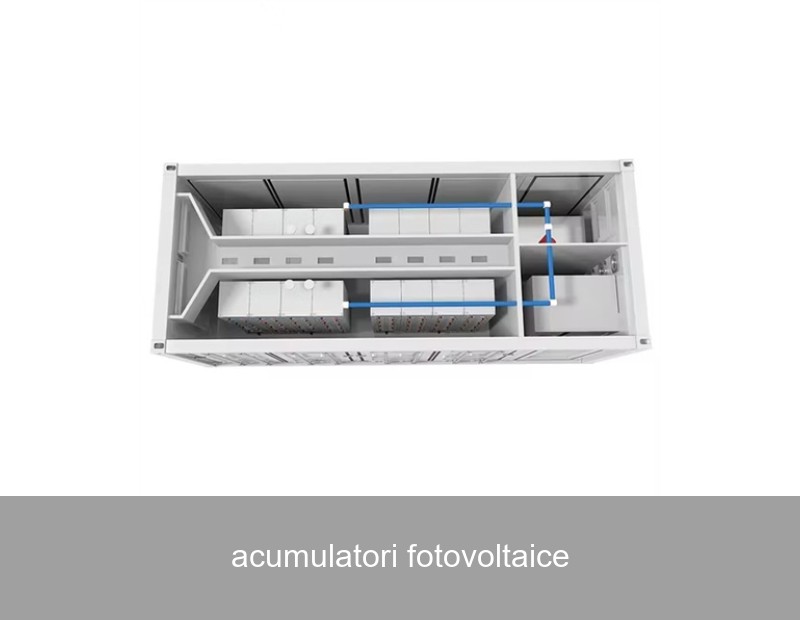
The Solution: They installed a 250 kW solar array coupled with a 500 kWh Highjoule C.I. Commercial Industrial storage system. This modular, containerized solution was chosen for its scalability and robust safety features.
The Results (Data from the first year of operation):
- Energy Bill Reduction: By shifting consumption away from peak grid times, they reduced their annual electricity costs by 68%.
- Backup Power: The system provided full operational power through three separate grid outages, the longest lasting 14 hours, preventing spoilage and maintaining production.
- ROI Timeline: With combined state incentives and utility savings, the projected payback period for the storage system alone is under 6 years.

This case exemplifies how photovoltaic accumulators address both economic and operational risks simultaneously.
Choosing the Right System for Your Needs
Not all storage systems are created equal. Key considerations include:
- Capacity & Power: Capacity (kWh) is your "energy tank" size, while power (kW) determines how many appliances you can run at once. A proper assessment of your load profile is essential.
- Battery Chemistry: LiFePO4 is widely recommended for its long cycle life (often over 6,000 cycles) and superior thermal stability.
- Scalability: Can you easily add more battery modules later if your needs grow? Highjoule's systems are designed with modularity at their core.
- Integration & Intelligence: The system should seamlessly integrate with existing or new solar and feature smart software for optimal control.
Highjoule's Role in Your Energy Transition
With nearly two decades of experience, Highjoule doesn't just sell hardware; we deliver tailored energy security. For residential clients, our H-Series Home Energy Hub is an all-in-one unit combining inverter and battery with an intuitive app for energy monitoring and control. For commercial and industrial applications, our C.I. Series offers scalable, utility-grade solutions that can be configured for peak shaving, demand charge reduction, and microgrid formation. Our expertise ensures that your photovoltaic accumulator is not just an add-on, but the intelligent core of a resilient, efficient, and sustainable energy ecosystem.
The Future Outlook and Your Next Step
The evolution of photovoltaic accumulators is moving towards smarter, more integrated ecosystems. We're seeing the rise of vehicle-to-home (V2H) technology, where your electric vehicle becomes a backup battery, and virtual power plants (VPPs), where thousands of distributed home batteries are aggregated to support the grid. The question is no longer if you should add storage to your solar, but how to design the system that best aligns with your financial goals and resilience requirements.
What specific energy challenge—whether it's unpredictable outages, soaring bills, or a desire to maximize your green investment—is motivating you to explore acumulatori fotovoltaice for your home or business today?
 Inquiry
 Online Chat