


The Afghanistan Solar Factory Phenomenon: A Beacon for Localized Clean Energy
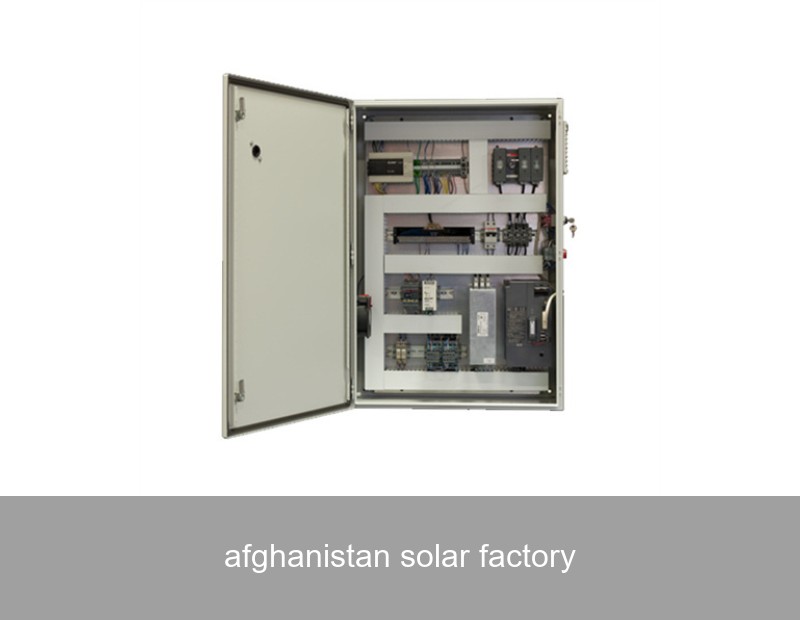
in a region often highlighted for its challenges, a local Afghanistan solar factory begins operations. It’s not just assembling imported panels; it’s creating jobs, building technical skills, and aiming to power communities with homegrown renewable energy. This isn't a hypothetical scenario. The emergence of solar manufacturing in Afghanistan represents a powerful, under-discussed trend in the global energy transition: the localization of clean tech production. For observers in Europe and the U.S., this move away from total reliance on centralized, global supply chains towards regional manufacturing hubs offers crucial lessons in resilience, economic development, and true energy independence.
Why Local Solar Manufacturing Matters: The Data
The story of an Afghanistan solar factory is compelling because it tackles multiple issues at once. Globally, we're racing to decarbonize. The International Energy Agency (IEA) notes that solar PV is set to become the largest source of global electricity capacity by 2027 (IEA Renewables 2022 Report). But this surge has traditionally depended on a concentrated supply chain. Local manufacturing changes the calculus:
- Economic Resilience: Creates skilled jobs and retains capital within the local economy.
- Supply Chain Security: Reduces vulnerability to global logistics disruptions and trade tensions.
- Faster Deployment: Local production can mean quicker project turnaround for regional installations.
- Community Buy-in: When communities see local investment and job creation, support for renewable projects often increases.
However, manufacturing the panels is only half the battle. The real test is integrating this intermittent power into a reliable grid. This is where the conversation must evolve from just generation to intelligent storage and management.
A Global Model: The Morocco Solar Energy Case Study
To understand the potential trajectory of localized solar efforts, look at Morocco. The Noor Ouarzazate Solar Complex is one of the world's largest concentrated solar power (CSP) plants. While not a direct analog to a PV factory, Morocco's strategy is instructive: leveraging abundant local sunlight for large-scale generation, creating a regional energy hub, and pairing it with storage capabilities. The complex includes thermal storage, allowing it to provide power for hours after sunset. This has helped Morocco increase its renewable share significantly and position itself as a potential green energy exporter to Europe.
 Image Source: Wikimedia Commons - Noor Ouarzazate Solar Power Station
The data is telling: The World Bank reports that the project has contributed to local GDP, created thousands of jobs during construction, and is helping avoid hundreds of thousands of tons of CO2 emissions annually (World Bank Feature). The lesson for an Afghanistan solar factory initiative is clear: success is magnified when generation is planned alongside storage and grid integration from the start.
The Critical Missing Piece: Energy Storage
Here's the reality every solar developer, from a large U.S. utility to a new factory in Afghanistan, faces: the sun doesn't shine on demand. A factory producing solar panels ironically needs stable, 24/7 power to run its equipment. This is the universal challenge of the renewable age. Without storage, solar energy is a daytime-only resource, forcing reliance on backup diesel generators or an unstable grid—undermining the very benefits of clean energy.
This is where companies like Highjoule become essential partners. Since 2005, Highjoule has been a global leader in providing advanced, intelligent Battery Energy Storage Systems (BESS). We don't just supply batteries; we provide integrated solutions that make solar power dependable.
- For Industrial & Commercial Use: Our H-Series Industrial BESS can be deployed alongside a manufacturing facility (like a solar factory) to store excess solar generation. This stored energy can then power operations during the evening, during grid outages, or during peak tariff periods, slashing energy costs and ensuring operational continuity.
- For Microgrids & Remote Applications: In areas with underdeveloped grid infrastructure, our M-Grid solutions combine solar, storage, and advanced control software to create self-sufficient microgrids. This technology is directly applicable for powering industrial parks or communities centered around local manufacturing.
Think of it this way: a local Afghanistan solar factory symbolizes energy production sovereignty. A Highjoule storage system installed alongside it symbolizes energy control and reliability sovereignty.
Highjoule's Role in Empowering Local Energy
At Highjoule, our mission aligns perfectly with the goals of localized solar manufacturing: to deliver intelligent, efficient, and sustainable power solutions. For a project like a solar factory, we would engage as a technology enabler:
| Challenge for a Solar Factory | Highjoule's Solution | Outcome |
|---|---|---|
| Unstable grid power halting production | H-Series BESS for seamless backup power | Zero downtime, protected revenue and productivity |
| High cost of grid/diesel power during peak hours | Solar + Storage "peak shaving" configuration | Dramatically reduced energy bills, faster ROI on solar assets |
| Need to demonstrate full clean energy commitment | Turnkey microgrid solution for 24/7 renewable power | A truly green manufacturing process, enhanced ESG credentials |
Our systems are designed for smart integration. Using AI-driven energy management software, our storage solutions don't just hold energy—they optimize it, deciding the most economical and efficient moments to charge from solar or the grid, and when to discharge to power the facility.

The Future of Energy Independence
The narrative around renewable energy is shifting from simply buying panels from afar to building holistic, local energy ecosystems. An Afghanistan solar factory is a potent symbol of this shift—taking control of the means of production. But the next step for any region, whether in Central Asia, Europe, or the Americas, is to integrate storage as the fundamental enabler of that independence.
Imagine a future where every major local industry, from a textile mill to a solar panel plant, is powered by its own optimized combination of local solar and intelligent storage. This decentralizes and strengthens the entire energy network, making it more resilient and democratic.
So, as we watch and support the growth of local clean energy manufacturing worldwide, we must ask: Is your organization just generating clean energy, or are you building a truly resilient and independent energy future? The technology to do the latter exists today. What step will you take to integrate it?
 Inquiry
 Online Chat