


What is an Agile Energy Supplier and Why Does Your Business Need One?
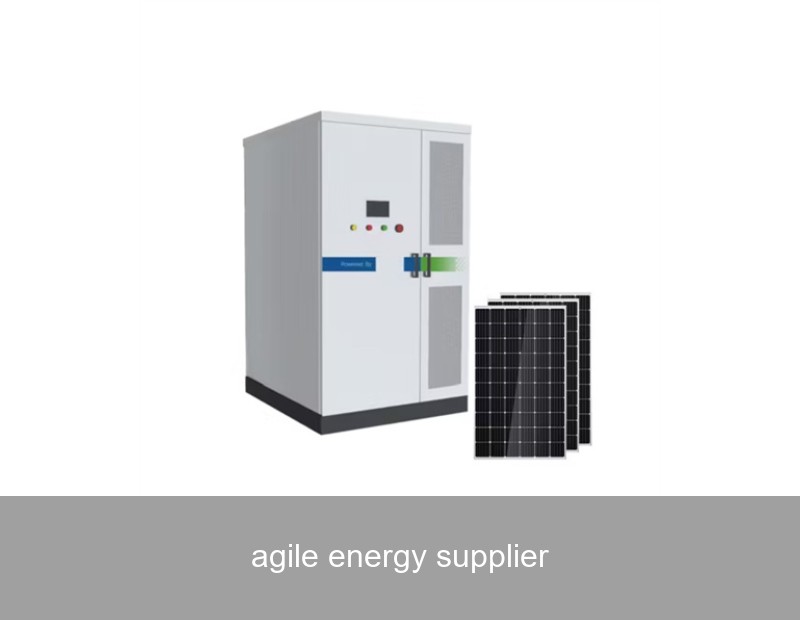
You've likely heard the terms "energy transition" and "grid instability" more and more. For businesses across Europe and the US, these aren't just buzzwords—they're direct threats to the bottom line. Imagine facing sudden demand charges, unpredictable price spikes, or even the risk of operational shutdowns during grid outages. The old model of passive energy consumption is breaking down. The solution? Partnering with an agile energy supplier. But this isn't about a new utility company. It's about a transformative approach that combines on-site generation, smart storage, and AI-driven management to give you control, resilience, and significant savings. Let's explore how this works.
Table of Contents
The Phenomenon: The Strained Grid & Volatile Markets
Our electricity grids, engineered for the last century, are under unprecedented stress. The rapid integration of intermittent renewables like solar and wind, while environmentally crucial, creates supply fluctuations. Concurrently, electrification of transport and heating is driving demand higher. The result? Increased frequency of grid congestion, price volatility, and a higher risk of localized outages. For a factory, a data center, or a grocery store chain, this translates directly into financial uncertainty and operational risk. You are, in effect, at the mercy of external forces. An agile energy supplier strategy flips this script, turning your site from a passive load into an active, intelligent node in the energy ecosystem.
The Data: The Hard Costs of Inflexible Energy
Let's talk numbers. In many US markets, demand charges can constitute 30-50% of a commercial electricity bill. A single spike in power usage can set a high cost precedent for the entire billing cycle. Across the EU, wholesale electricity prices have seen extreme volatility, with day-ahead prices fluctuating by over 300% in some regions during peak crises. Furthermore, the cost of a power outage is staggering. Studies suggest that for industrial facilities, downtime can cost tens of thousands of dollars per minute in lost production and spoilage. This data paints a clear picture: static energy procurement is a major liability.

Image: Modern industrial facilities combine solar generation with battery storage to achieve agility. (Source: Unsplash)
The Agile Solution: More Than Just Backup Power
So, what defines a true agile energy supplier model? It's a comprehensive, behind-the-meter energy system that provides four key capabilities: Generate, Store, Optimize, and Monetize. It's a shift from buying a commodity to managing a strategic asset.
Core Components of an Agile Energy System
- On-Site Generation (Primarily Solar PV): Provides low-cost, renewable energy, reducing grid dependence and hedging against fuel price swings.
- Advanced Battery Energy Storage System (BESS): The heart of agility. It stores excess solar energy or cheap off-peak grid power for use during expensive or unreliable periods.
- Intelligent Energy Management System (EMS): The "brain." Using AI and real-time data, it makes millisecond decisions on when to charge, discharge, or import/export energy based on weather, prices, and facility load.
- Grid Services Interface: Allows the system to safely interact with the grid, potentially providing services like frequency regulation or peak shaving for additional revenue.
How Highjoule Enables Agile Energy Supply
This is where Highjoule's expertise becomes critical. As a global leader since 2005, we don't just sell hardware; we deliver intelligent, integrated agile energy supplier solutions. Our HPS Series commercial & industrial battery systems are engineered for high-cycling durability and safety, built with leading lithium-ion phosphate (LFP) chemistry. They are seamlessly coupled with our Neuron OS energy management platform. Think of Neuron OS as your 24/7 energy trader and grid strategist. It continuously analyzes hundreds of data points—from your production schedule to real-time grid carbon intensity—to autonomously run your energy assets at maximum economic and operational efficiency. For businesses, this means Highjoule transforms a capital investment into a continuous, value-generating stream of savings and resilience.
| Traditional Energy User | Agile Energy Supplier (with Highjoule) |
|---|---|
| Reactive: Pays bills, reacts to outages. | Proactive: Forecasts, optimizes, and prevents cost spikes. |
| Cost-Centric: Focuses on reducing per-kWh rate. | Value-Centric: Focuses on overall cost avoidance and new revenue (e.g., grid services). |
| Single-Source: Reliant solely on the main grid. | Multi-Source: Integrates solar, storage, and grid as tools in a portfolio. |
| Vulnerable to grid volatility and outages. | Resilient: Maintains critical operations during grid disturbances. |
Case Study: A German Manufacturing Plant's Transformation
Let's examine a real-world application. A mid-sized automotive parts manufacturer in Bavaria, Germany, faced steep "strompreis" (electricity price) increases and stringent internal carbon reduction targets. In 2022, they partnered with Highjoule to become their own agile energy supplier.
The Solution: A 1.2 MW rooftop solar PV array was integrated with a 750 kWh Highjoule HPS battery storage system, all managed by the Neuron OS platform.
The Results (First 12 Months):
- Energy Cost Reduction: 68% decrease in grid electricity purchases during peak price hours.
- Demand Charge Savings: Smoothed peak load, reducing monthly capacity charges by 40%.
- Resilience: The system provided seamless backup for critical assembly lines during two grid voltage dips, preventing an estimated €120,000 in production losses.
- Sustainability: Increased on-site renewable consumption rate from 35% to over 85%, slashing scope 2 emissions.
The plant manager noted: "We no longer just watch the energy market. Our Highjoule system actively navigates it for us. We have predictability in an unpredictable environment."

Image: Intelligent energy management software is key to optimizing an agile energy system. (Source: Unsplash)
Future-Forward Insights: The Path to Energy Autonomy
The journey toward being an agile energy supplier is also a step toward long-term energy autonomy. With the right system, your facility can form the nucleus of a microgrid—able to island itself from the main grid and operate independently. This is no longer science fiction; it's a viable strategy for campuses, industrial parks, and communities seeking ultimate resilience. Furthermore, as markets evolve, vehicles (EV fleets) and thermal systems (heat pumps) will integrate into these agile platforms, creating truly holistic and responsive energy environments.
The fundamental insight is this: energy is no longer just an operating expense. Managed with agility, it becomes a source of competitive advantage, risk mitigation, and sustainability leadership. The technology is proven, and the economic case is stronger every day as grid volatility continues.
Is your organization ready to move from being a passive energy consumer to an active, agile energy supplier? What would the ability to lock in your energy costs and ensure operational continuity for your most critical loads be worth to your business this year?
 Inquiry
 Online Chat