


Solar System for Irrigation: A Sustainable Power Solution for Modern Agriculture
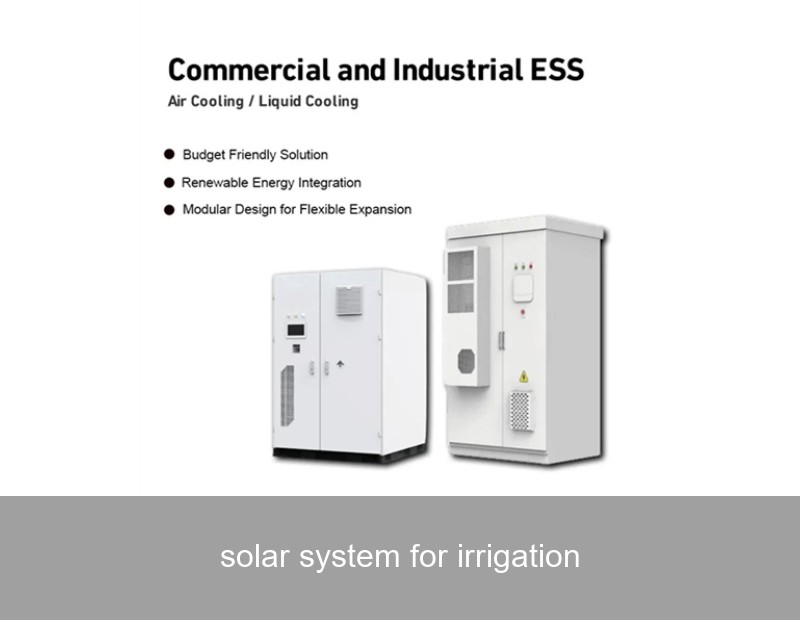
Imagine a farm where the energy to pump life-giving water to crops comes directly from the sun, free and clean. This isn't a vision of the distant future; it's a practical, cost-effective reality transforming agriculture today. A solar system for irrigation is revolutionizing how farmers in Europe, the U.S., and beyond manage water, energy, and operational costs. By harnessing photovoltaic (PV) technology, these systems provide a reliable, off-grid or grid-assisted power source for pumps, reducing dependence on volatile diesel prices or unreliable grid infrastructure. As climate variability increases and energy costs fluctuate, the shift to solar-powered irrigation isn't just an eco-friendly choice—it's a strategic business decision for resilient farming. Companies like Highjoule, a global leader in advanced energy storage since 2005, are at the forefront, integrating smart battery storage with solar to ensure water flows precisely when crops need it, day or night.
Table of Contents
- The Challenge: High Costs and Unreliable Grids
- The Solar-Powered Solution: How It Works
- The Data: Why Solar Irrigation Makes Financial Sense
- Case Study: A California Vineyard's Transformation
- Beyond the Panels: The Critical Role of Energy Storage
- Highjoule's Integrated Approach to Solar Irrigation
The Challenge: High Costs and Unreliable Grids
For decades, farmers have relied on diesel generators or grid-connected electricity to power irrigation pumps. While functional, these methods come with significant drawbacks. Diesel fuel is subject to price spikes, adds considerable operational expense, and requires constant refueling and maintenance. Furthermore, its carbon footprint is substantial. Grid electricity, while cleaner at the point of use in some regions, can be prohibitively expensive, especially during peak irrigation seasons. In remote agricultural areas—common in both the American West and parts of Southern Europe—the electrical grid may be weak or non-existent, leaving farmers with few options.
The problem is compounded by the increasing frequency of droughts and water regulations. Efficient irrigation often requires pumping at specific times, which may not align with ideal grid tariff periods or sunny hours if using solar alone. This mismatch between when energy is available and when water is needed is a key hurdle that early solar irrigation systems faced.
The Solar-Powered Solution: How It Works
A modern solar system for irrigation is an elegant synergy of components designed to deliver water on demand. At its core are solar PV panels that convert sunlight into direct current (DC) electricity. This electricity then powers an irrigation pump, which can be either a DC pump directly connected to the array or a more common AC pump paired with a solar inverter.
The basic configuration is effective, but it has a limitation: the pump only runs when the sun shines. This is where innovation steps in. By integrating a battery energy storage system (BESS), the solar power generated during the day can be stored and used to run the pump in the early morning, evening, or even at night, aligning with optimal irrigation schedules or cooler temperatures to reduce water evaporation. This transforms a simple solar setup into a truly intelligent and reliable irrigation power station.

Image source: Unsplash - Solar panels can be seamlessly integrated into agricultural landscapes.
The Data: Why Solar Irrigation Makes Financial Sense
The economic argument for solar irrigation is compelling. Let's break it down. The U.S. Department of Agriculture (USDA) and the International Renewable Energy Agency (IRENA) have published data showing the rapid decline in solar PV costs, which have fallen by over 80% in the last decade. For a farm, the initial capital expenditure (CAPEX) for a solar irrigation system is often offset by the drastic reduction in operational expenditure (OPEX)—specifically, the elimination of diesel fuel costs.
Consider this comparison table for a medium-sized irrigation pump (10 HP):
| Power Source | Estimated Annual Fuel/Electricity Cost | Estimated Annual Maintenance Cost | CO2 Emissions (tons/year) | Lifespan |
|---|---|---|---|---|
| Diesel Generator | $8,000 - $12,000 | $1,500 | ~25 | 5-10 years |
| Grid Electricity (Avg. U.S.) | $4,500 - $7,000 | $500 | Varies by grid mix | N/A |
| Solar + Battery Storage | $0 (fuel) | $200 - $500 | 0 (operational) | 25+ years (panels) |
As the table illustrates, the long-term savings are substantial. With proper financing or available grants—such as those from the USDA's REAP program in the U.S. or various EU agricultural funds—the payback period can be as short as 4-7 years.
Case Study: A California Vineyard's Transformation
Let's look at a real-world example from Sonoma County, California. A 50-acre vineyard faced two major issues: skyrocketing electricity costs during the dry summer months and a mandate to reduce groundwater usage. Their old grid-tied pump system was expensive and inflexible.
In 2022, they installed a tailored solar system for irrigation, coupled with a 100 kWh battery storage unit. The system was designed to:
- Power all drip irrigation pumps for the entire vineyard.
- Store excess solar energy from the day to run pumps during the night, minimizing evaporation loss by up to 30%.
- Provide backup power during the state's occasional Public Safety Power Shutoff (PSPS) events, ensuring continuous vine health.
The Results (First 12 Months):
- Energy Cost Reduction: 95% decrease in grid electricity purchases for irrigation.
- Water Savings: More precise night-time irrigation led to a 15% reduction in water usage.
- ROI: Projected payback period of 5.5 years, factoring in state incentives.
- Resilience: Successfully maintained irrigation through two grid outage events.
This case underscores that the benefits extend far beyond simple cost savings, touching on water conservation and operational resilience.
Beyond the Panels: The Critical Role of Energy Storage
Solar panels are the muscle, but the brain of a modern system is the energy storage and management platform. This is the key to overcoming the intermittency of sunlight. A high-quality battery storage system allows farmers to:
- Time-Shift Energy: Irrigate at agronomically optimal times, not just when the sun is out.
- Ensure Reliability: Guarantee water access during cloudy days, at night, or during grid failures.
- Maximize Self-Consumption: Use almost every kilowatt-hour generated by the panels, improving system economics.
- Provide Grid Services: In some areas, advanced systems can even provide stability to the local grid, creating an additional revenue stream.
The choice of battery technology is crucial. Lithium iron phosphate (LFP) batteries, for instance, are becoming the standard for agricultural applications due to their long lifespan, safety, and excellent performance in a wide range of temperatures.
Highjoule's Integrated Approach to Solar Irrigation
This is where Highjoule's expertise becomes invaluable. As a pioneer in advanced energy storage since 2005, we don't just sell components; we deliver intelligent, integrated power solutions. For a solar system for irrigation, Highjoule provides a seamless package:
- Highjoule H-Series Commercial Battery Systems: Our scalable LFP-based battery racks offer safe, long-lasting storage specifically designed for demanding environments like farms. Their modular design allows for easy expansion as your needs grow.
- Intelligent Energy Management System (EMS): The true brains of the operation. Our proprietary software can be programmed to prioritize solar self-consumption, schedule irrigation cycles during low-tariff or optimal agronomic windows, and manage the entire system's health remotely via a user-friendly dashboard.
- Expert System Integration: Our engineering team works with trusted solar installers to design a cohesive system where panels, inverters, batteries, and pumps communicate flawlessly. We ensure the system is optimized for your specific crop water requirements, soil type, and local climate.
For a large-scale farm or a cooperative, Highjoule's microgrid-ready solutions can even power other farm operations—cooling sheds, processing facilities, and offices—creating a comprehensive, sustainable energy ecosystem.

Image source: Unsplash - Modern battery storage units are compact, durable, and designed for outdoor installation.
Choosing the Right System for Your Farm
Implementing a solar irrigation system requires careful planning. Key considerations include:
- Water Demand & Pump Specifications: Calculate your total dynamic head and daily water volume needs to size the pump and motor correctly.
- Solar Resource: Assess your local solar insolation (you can find maps from NREL for the U.S. or similar EU bodies).
- Storage Capacity: Determine how many hours of pump operation you need without sun. This defines your battery size.
- Financials & Incentives: Research available grants, tax credits, and favorable loan programs. The initial investment is manageable with the right financing.
Partnering with an experienced provider like Highjoule, who understands both energy technology and the practical realities of farming, can streamline this process from feasibility study to commissioning and long-term monitoring.
Ready to Harvest the Sun?
The transition to a solar system for irrigation is more than an upgrade; it's a step towards agricultural independence and sustainability. It frees you from the volatility of fuel prices, reduces your environmental impact, and gives you precise control over one of your most critical resources: water.
What would the ability to irrigate on your own terms—completely free from fuel costs and grid constraints—allow you to achieve on your farm or vineyard in the next growing season?
 Inquiry
 Online Chat