


Almacenamiento Baterias de Litio: Powering a Sustainable Future, One Charge at a Time
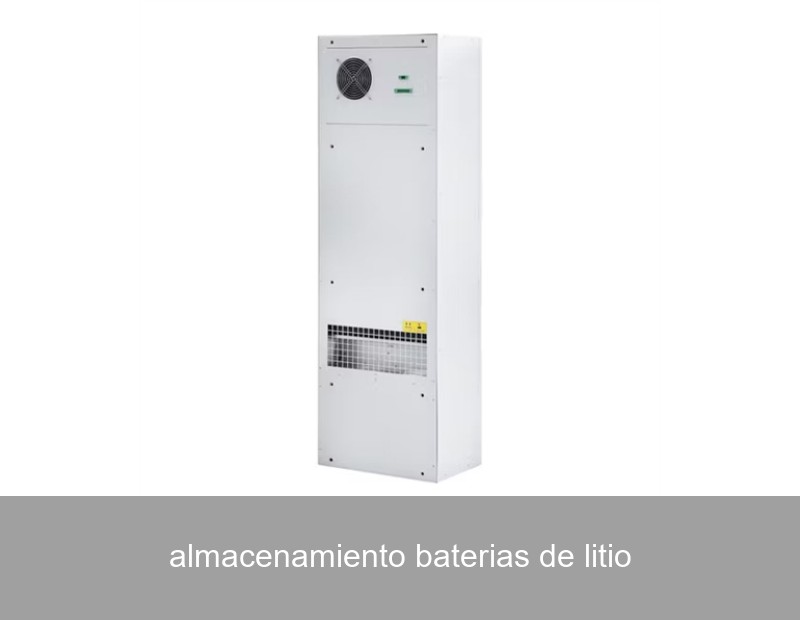
You've likely heard the buzz. Whether it's about powering electric vehicles or keeping the lights on during a storm, almacenamiento baterias de litio (lithium battery storage) is at the heart of today's energy revolution. But what exactly is it, and why has it become the go-to technology for everyone from homeowners to large industries? Simply put, it's the art and science of capturing electricity—often from renewable sources like solar panels—and storing it efficiently in high-performance lithium-ion batteries for use exactly when you need it. This shift is transforming how we generate, manage, and consume power.
For nearly two decades, Highjoule has been at the forefront of this transformation. Since 2005, we've engineered intelligent storage systems that turn this powerful technology into reliable, everyday solutions for commercial, industrial, residential, and microgrid applications. Let's delve into the world of lithium battery storage and explore how it's creating a more resilient and sustainable energy landscape.
Why Lithium Dominates the Energy Storage Scene
The transition to lithium-ion batteries for energy storage wasn't an accident. It was a calculated move driven by some undeniable advantages over older technologies like lead-acid. Think of it as upgrading from a bulky, slow-filling water tank to a sleek, fast-charging, and incredibly durable thermos flask.
Here’s a quick comparison of key characteristics:
| Feature | Lithium-Ion Batteries | Traditional Lead-Acid |
|---|---|---|
| Energy Density | Very High (Compact & Lightweight) | Low (Bulky & Heavy) |
| Depth of Discharge (DoD) | 80-90% (More Usable Energy) | ~50% (Less Usable Energy) |
| Cycle Life | 4,000 - 10,000+ cycles | 500 - 1,200 cycles |
| Efficiency | 95-98% | 70-85% |
| Charge Rate | Fast | Slow |
These technical specs translate into real-world benefits. Higher energy density means a lithium battery system takes up far less space. A greater depth of discharge means you can use more of the energy you've stored without damaging the battery. And a longer cycle life directly correlates to a better return on investment over many years of service.
Furthermore, when paired with solar PV, lithium storage unlocks true energy independence. It captures surplus solar energy produced at midday for use in the evening, dramatically increasing self-consumption. According to the International Energy Agency (IEA), the global energy storage market is set to grow exponentially, with lithium-ion technology leading the charge due to its falling costs and proven performance.
Real-World Case Study: A German Bakery's Recipe for Resilience
Let's move from theory to practice. Consider the challenge faced by a mid-sized artisan bakery in Bavaria, Germany. Their operations, especially energy-intensive ovens and refrigeration, ran mostly during early mornings and evenings. Their existing solar panels produced a glut of energy in the middle of the day when they couldn't fully use it, forcing them to buy expensive grid power during peak hours.

The solution was a tailored Highjoule Industrial ESS (Energy Storage System). Here’s what happened:
- System Installed: A 120 kWh lithium-ion battery storage system integrated with their existing 80 kWp solar array.
- Smart Energy Management: Highjoule's proprietary software automatically shifted energy use. It stored cheap, self-produced solar energy at noon and discharged it during high-price morning and evening peaks.
- The Results (12-month period):
- Grid Energy Cost Reduction: 68% decrease in peak-time grid electricity purchases.
- Self-Consumption Rate: Increased from 35% to over 85% of their solar generation.
- ROI Timeline: Projected payback period of under 5 years, thanks to energy savings and German subsidy programs for efficient businesses.
- Added Benefit: The system now also provides backup power, ensuring their cold storage remains operational during brief grid outages, preventing spoilage.
This case is a perfect example of how intelligent almacenamiento de baterías isn't just about storage—it's about smart energy economics and operational resilience.
Choosing the Right System for Your Needs
Not all storage needs are the same. A homeowner wants reliability and bill savings, a factory needs peak shaving and power quality, and a remote microgrid requires complete off-grid autonomy. The key is matching the system's capabilities to the application's demands.
- Residential: Focus is on self-consumption of rooftop solar, backup power, and time-of-use bill management. Systems typically range from 5 kWh to 20 kWh.
- Commercial & Industrial (C&I): The goals expand to include "peak shaving" (reducing demand charges), power quality management, and larger-scale integration of renewables. Systems range from 50 kWh to multiple megawatt-hours.
- Microgrids & Utilities: These systems provide grid stability, defer infrastructure upgrades, and integrate vast amounts of renewable energy. They are large-scale, complex installations.
Highjoule's Smart Lithium Battery Solutions: Engineered for Performance
At Highjoule, we understand these nuanced needs. Our product portfolio is built on a foundation of safety, intelligence, and longevity. We don't just supply batteries; we deliver integrated energy solutions.
Our flagship product line, the Highjoule H-Series, is designed for the demanding C&I and microgrid sectors. It features industry-leading cycle life, a modular design for easy scalability, and a built-in Battery Management System (BMS) that ensures each cell operates within its ideal parameters for safety and maximum lifespan.

What truly sets us apart is the Highjoule Energy Operating System (EOS). This AI-driven software platform is the brain of the system. It continuously analyzes energy consumption patterns, weather forecasts, and utility rate schedules to make autonomous, millisecond decisions on when to charge, discharge, or hold. This maximizes financial return and optimizes system health. For our clients, it means their lithium battery storage investment is working smarter every single day.
The Future of Lithium Storage: What's Next?
The innovation in almacenamiento baterias de litio is far from over. Research is pushing towards solid-state batteries, which promise even greater safety and energy density. There's also a strong focus on sustainability, with improved recycling processes to recover valuable materials like lithium, cobalt, and nickel. The U.S. Department of Energy is actively funding R&D in this critical area to create a circular economy for batteries.
Furthermore, we're moving towards "virtual power plants" (VPPs), where thousands of distributed storage systems, like those in homes and businesses, are aggregated and coordinated to act as a single, large-scale power resource for the grid. This democratizes energy and enhances overall grid stability.
As you contemplate the role of energy in your home or business, what specific challenge—be it unpredictable energy bills, a desire for true energy independence, or a commitment to a lower carbon footprint—could a smart lithium battery storage system solve for you?
 Inquiry
 Online Chat