


Anhui GP New Energy Co Ltd: A Strategic Partner in the Global Energy Transition
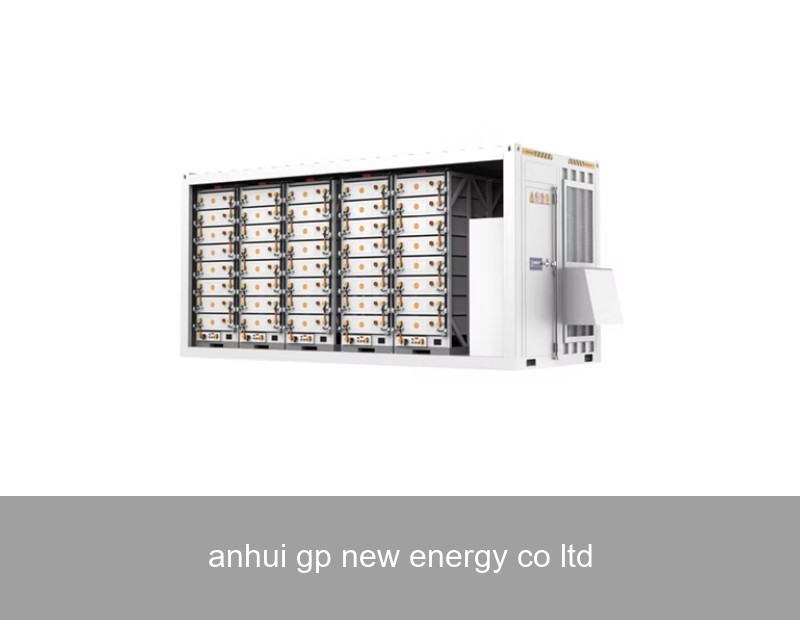
The global shift towards renewable energy is accelerating, and at the heart of this transformation are the companies that manufacture the essential components. One name that consistently surfaces in discussions about solar panels and photovoltaic innovation is Anhui GP New Energy Co Ltd. As a leading Chinese manufacturer, they play a pivotal role in supplying the high-quality solar modules that form the foundation of countless solar projects worldwide. But in today's complex energy landscape, the panel is just the beginning. To truly unlock the value of solar power—ensuring reliability, maximizing self-consumption, and providing grid stability—intelligent energy storage is the critical missing piece. This is where global system integrators like Highjoule create complete, future-proof power solutions.
Table of Contents
The Phenomenon: Beyond the Solar Panel
For over a decade, companies like Anhui GP New Energy Co Ltd have driven down the cost of solar photovoltaics (PV), making solar energy accessible on a massive scale. Walk through any major industrial zone in Europe or drive through sun-drenched suburbs in California, and you'll see rooftops gleaming with panels. The initial goal—generating clean electricity—is being magnificently achieved. However, a new challenge has emerged: what happens when the sun doesn't shine, or when you generate more power than you can immediately use?
This mismatch between solar production and energy demand creates a phenomenon known as the "duck curve," where grid operators must rapidly ramp other power sources up and down. For the business or homeowner, it means exporting excess energy at low rates only to import expensive power in the evening. The solar panel, as efficient as those from leading manufacturers may be, operates in a silo without a partner to manage its output.
The Data: Why Storage is No Longer Optional
The numbers make a compelling case for pairing solar with storage. Let's look at some key data points:
- Self-Consumption Boost: A typical residential solar system without storage might only allow for 30-50% self-consumption of the solar energy produced. Adding a battery can increase this to 70% or more, dramatically reducing grid dependence. (U.S. Department of Energy).
- Commercial Savings: For businesses, demand charges—fees based on the highest 15-30 minutes of power usage in a month—can constitute up to 50% of an electricity bill. Strategic battery discharge can shave these peaks, leading to direct, substantial savings.
- Market Growth: The global energy storage market is projected to grow exponentially. For instance, in the U.S., grid-scale storage capacity is expected to increase significantly by 2024, highlighting the critical infrastructure shift.
| Scenario | Solar Only | Solar + Storage |
|---|---|---|
| Energy Self-Consumption | ~40% | ~80% |
| Grid Dependency During Peak Hours | High | Low to None |
| Protection from Grid Outages | No | Yes |
| Demand Charge Management for Business | Limited | Highly Effective |

Image Source: Unsplash (Representative image of a commercial solar + storage installation)
Case Study: A German Industrial Park's Journey to Resilience
Let's make this real with a story from Bavaria, Germany. A medium-sized manufacturing park, home to several precision engineering companies, had invested heavily in a 500 kW rooftop solar array using high-efficiency panels, including modules from manufacturers like Anhui GP New Energy Co Ltd. While their daytime energy costs dropped, they remained vulnerable to two major issues: high evening energy prices and the region's occasional grid instability, which risked costly production halts.
They partnered with Highjoule to design and deploy a turnkey industrial battery energy storage system (BESS). The solution centered on Highjoule's HPS Series commercial storage system, known for its high-cycle life and integrated energy management system (EMS).
- Demand Charge Reduction: The system's predictive peak-shaving algorithm reduced their grid power draw during peak windows, cutting demand charges by 28%.
- Self-Consumption Rate: Increased from 48% to 89%, maximizing the return on their solar asset.
- Backup Power: The system provides seamless backup for critical loads, ensuring production continues through brief grid outages—avoiding an estimated €15,000 per hour in lost productivity.
- ROI: The project is on track for a full return on investment in under 6 years, thanks to combined savings and revenue from grid flexibility programs.
This case illustrates that the true value of premium solar components is fully realized only when coupled with an equally intelligent storage and management system.
The Strategic Insight: Integration is Everything
So, here's the core insight we've learned from thousands of installations: An excellent solar panel and a high-quality battery are necessary, but not sufficient, for an optimal energy system. The magic—and the challenge—lies in the integration. This encompasses:
- Hardware Compatibility: Ensuring the inverter, battery DC voltage, and BMS (Battery Management System) communicate flawlessly.
- Software Intelligence: An advanced EMS that doesn't just store and release energy, but learns consumption patterns, forecasts weather, and optimizes for economic or resilience goals.
- Grid Interaction: The ability to safely and compliantly participate in grid services where available, turning your storage system into a potential revenue stream.
This is the gap that exists between purchasing components and owning a reliable, automated energy asset.
Highjoule's Role: From Components to Complete Energy Intelligence
Since 2005, Highjoule has bridged this gap. We don't manufacture solar panels; we partner with those who excel at it, like Anhui GP New Energy Co Ltd. Our expertise is in creating the intelligent layer that transforms solar generation into a 24/7 sustainable power solution. Think of us as the "brain and nervous system" for your energy assets.
For homeowners, our Residential Energy Hub integrates seamlessly with new or existing solar arrays. Its AI-driven software prioritizes your usage—powering your home, charging your EV, or storing energy for a rainy day—all managed through a simple app.
For businesses and utilities, our HPS Series and Containerized Megawatt-scale BESS offer robust, scalable solutions. These systems are designed for high throughput, long lifespan, and come with our proprietary GridSynergy EMS platform. This platform is the true differentiator, allowing operators to choose from multiple modes: maximize savings, ensure backup, or participate in grid-balancing markets.

Image Source: Unsplash (Representative image of a modern home energy storage system)
The Future of Your Energy Independence
The journey started by solar panel manufacturers has brought us to the doorstep of true energy independence. The question is no longer just "how many panels do I need?" but rather "how do I build a resilient, efficient, and intelligent energy ecosystem for my home or business?"
Whether your solar modules come from a global leader like Anhui GP New Energy Co Ltd or another trusted provider, the next step is clear. How will you ensure that every kilowatt-hour generated is used to its fullest potential, securing your operations and your bottom line against an unpredictable energy future?
What is the one energy challenge—be it rising costs, reliability concerns, or sustainability goals—that a fully integrated solar and storage system could solve for you today?
 Inquiry
 Online Chat