


Panel Fotovoltaico para Casa: Your Complete Guide to Home Solar Power
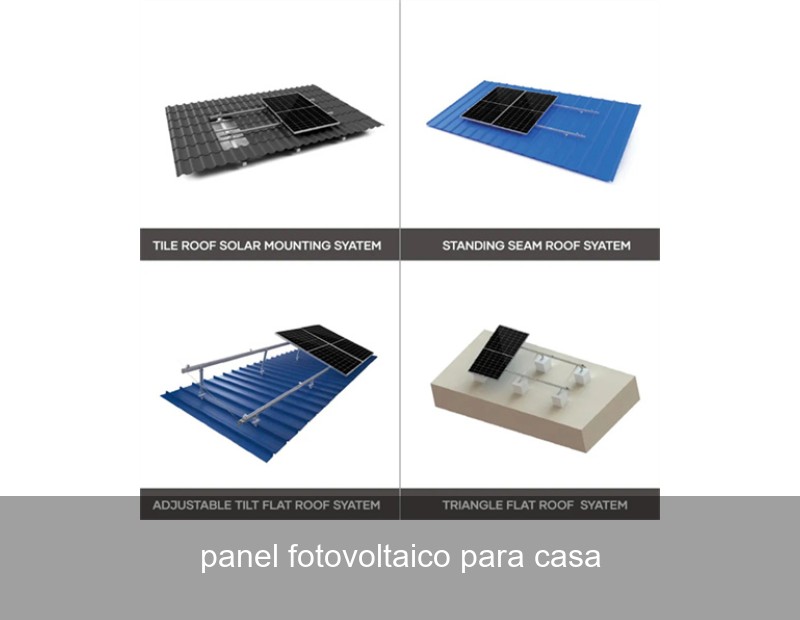
So, you're thinking about installing a panel fotovoltaico para casa – a solar panel system for your home. It's a powerful idea. Imagine your roof, once just a shelter, transforming into a quiet, clean power plant. But between the initial spark of interest and flipping the switch on your own solar energy, there are practical questions. How does it really work? What's the actual return? And what happens when the sun goes down? Let's demystify home solar and explore how modern technology turns sunlight into true energy independence.
Why Consider Home Solar Panels Now? The Data Speaks
The movement towards home solar isn't just a trend; it's a logical response to a clear economic and environmental phenomenon. While electricity prices from the grid have shown volatility and a general upward trend across Europe and the US, the cost of solar technology has done the opposite. According to the International Energy Agency (IEA), solar PV is now one of the cheapest sources of electricity in history. This convergence creates a compelling financial case.
But the benefits extend beyond your utility bill:
- Energy Security: Reduce your dependence on the grid and insulate yourself from price spikes.
- Increased Property Value: Studies, including one from the U.S. Department of Energy, consistently show homes with solar panels sell faster and at a premium.
- Carbon Footprint Reduction: A typical home solar system can offset several tons of CO2 annually, equivalent to planting dozens of trees each year.
- Energy Self-Consumption: The true modern goal isn't just to generate, but to intelligently use your own power.

Image Source: Unsplash - A modern residential solar installation.
Beyond the Panel: Key Components of a Modern Home Solar System
Thinking a panel fotovoltaico para casa is just about the panels on your roof is like thinking a computer is just about the monitor. The panels (modules) are the face of the system, but the intelligence lies behind the scenes. A complete, efficient system consists of:
- Solar Panels (PV Modules): Capture sunlight and convert it to direct current (DC) electricity. Monocrystalline panels are the standard for high-efficiency home use.
- Inverter(s): The brain of the operation. It converts the DC electricity from your panels into the alternating current (AC) that your home appliances use. Modern systems often use module-level power electronics (MLPEs) like microinverters or power optimizers for better performance, especially on roofs with partial shading.
- Battery Energy Storage System (BESS): This is the game-changer. A home battery, like those offered by Highjoule, stores the excess solar energy you produce during the day for use at night, during peak tariff hours, or during a grid outage. This is what transforms a solar system from a grid-supplement into a true personal energy asset.
- Energy Management System (EMS): The smart software that orchestrates everything. It decides when to use solar power directly, when to charge the battery, and when to draw from the grid, optimizing for self-consumption and cost savings.
| Time of Day | Traditional Solar Home | Home with Solar + Highjoule Storage |
|---|---|---|
| Day (Sunny) | Powers home, exports excess to grid (often at low rates). | Powers home, charges battery with excess for later use. |
| Evening Peak | Imports expensive electricity from the grid. | Powers home from stored battery energy, avoiding peak rates. |
| Night | Imports all electricity from the grid. | Draws down battery, minimizes grid import. |
| Grid Outage | System shuts off for safety (unless special islanding inverter). | Battery provides backup power to critical loads, keeping lights on. |
From Theory to Reality: A Real-World Case Study from Spain
Let's look at a real example from Valencia, Spain, a region with excellent solar resources. The García family lives in a 180m² detached house with an annual electricity consumption of 6,500 kWh. Frustrated with rising tariffs and wanting to reduce their environmental impact, they installed a 6 kW panel fotovoltaico para casa system in 2022.
The Initial Setup & The Problem: Their system produced ample energy, but they found themselves exporting over 50% of their daytime production to the grid for a modest feed-in tariff, only to buy back expensive electricity in the evening. Their self-consumption rate was only around 35%.
The Storage Solution: In early 2023, they integrated a Highjoule H2-ESS, a 10 kWh lithium iron phosphate (LiFePO4) battery system, known for its safety and long cycle life. The Highjoule system's intelligent controller seamlessly integrated with their existing solar inverter.
Results After One Year with Storage:
- Self-Consumption Rate: Jumped from 35% to over 85%.
- Grid Independence: Reduced grid electricity purchases by an additional 70%.
- Bill Savings: Achieved total annual savings of €1,850, shortening the payback period on the combined system significantly.
- Peace of Mind: The system now provides automatic backup power during the area's occasional short grid outages.
Choosing the Right System for Your Home and Goals
Every home and energy profile is unique. Asking the right questions is crucial:
- What is your primary goal? (Maximize bill savings, achieve backup power, reduce carbon footprint?)
- What is your roof's orientation, tilt, and shading situation?
- What is your household's daily and seasonal energy consumption pattern?
- Do you plan to add an electric vehicle or heat pump in the future?
These factors will determine the ideal size of your solar array and, most importantly, the capacity of your battery storage. A system that's too small won't meet your needs, while an oversized system may not offer the best return on investment.

Image Source: Unsplash - Monitoring and managing home energy flow via a smart app.
The Highjoule Approach: Intelligent Energy Independence
This is where Highjoule's expertise as a global leader in advanced energy storage comes into play. We don't just sell batteries; we provide integrated, intelligent power solutions. For homeowners investing in a panel fotovoltaico para casa, our H-Series Home Energy Storage Systems are designed to be the perfect partner.
Our systems are built with safety and longevity as the foundation, utilizing stable LiFePO4 chemistry. But the real magic is in the software. The Highjoule Energy Management Platform learns your consumption habits and can be configured to align with variable electricity tariffs (common in parts of Europe and the US). It automatically chooses the most economical and efficient energy flow: solar to home, solar to battery, battery to home, or grid to battery during off-peak hours.
Furthermore, our systems are designed for scalability. Starting with a 5 or 10 kWh battery? You can often add more modules later as your needs grow with an EV, for example. We also offer comprehensive monitoring through a user-friendly app, putting the data and control of your personal energy ecosystem right in your pocket.
Is Your Home Ready for the Next Step?
The journey to energy independence starts with understanding your own home's energy story. Looking at your past utility bills is the first chapter. The next step is to envision a future where those bills are predictable, significantly lower, and your power is cleaner and more resilient.
What would you do with the savings and security provided by a truly intelligent panel fotovoltaico para casa system? What's the one appliance or room you'd want to ensure is always powered, no matter what happens outside your walls?
 Inquiry
 Online Chat