


Batterie Lithium Ion Photovoltaique: The Heart of Modern Home Energy Independence
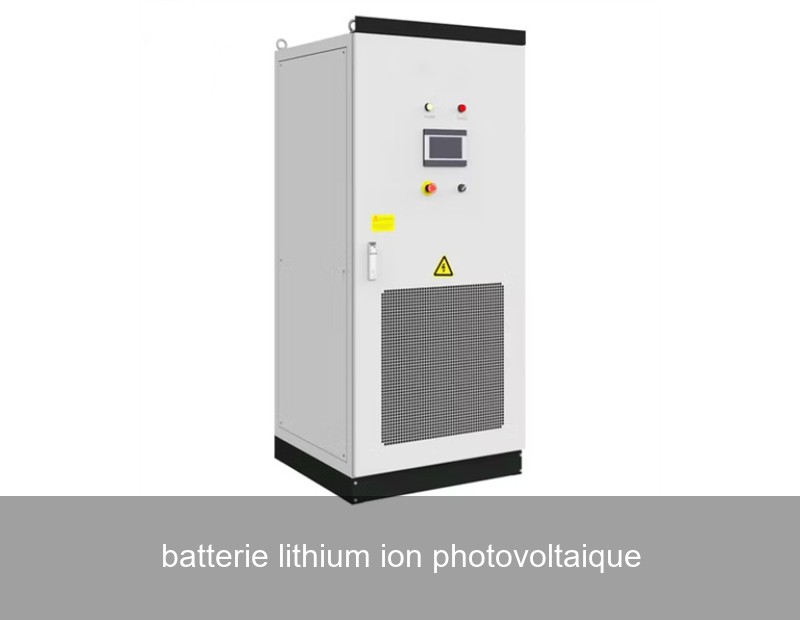
You've likely seen the sleek solar panels adorning more rooftops in your neighborhood. But the real magic, the key to true energy freedom, often happens quietly in a garage or utility room. It's the batterie lithium ion photovoltaique – the intelligent storage system that turns a solar array from a daytime power source into a 24/7 personal energy plant. For homeowners across Europe and the US, this technology isn't just about being green; it's about resilience, predictability, and taking control of rising energy bills. Let's explore how this technology works and why it's revolutionizing how we power our lives.
Why Lithium-Ion Technology Dominates Home Energy Storage
The shift to lithium-ion (Li-ion) for solar storage wasn't accidental. It was a decisive move driven by clear performance advantages over older battery technologies like lead-acid. Think of it as the difference between a flip phone and a smartphone for your home's energy needs.
The core phenomenon is simple: solar panels produce the most energy in the middle of the day, which often doesn't align with when a family uses the most electricity (mornings and evenings). Without storage, excess power is sold back to the grid, often at a low rate, only to be bought back later at a higher price.
Here’s where the data makes the case compelling. A modern Li-ion battery for solar storage offers:
- High Depth of Discharge (DoD): You can safely use 90-95% of the battery's stored energy without damaging it. Older technologies might only allow 50% usage.
- Long Lifespan & Cycle Life: Quality Li-ion systems are designed to last 10-15 years, offering thousands of charge/discharge cycles while maintaining most of their capacity.
- High Round-Trip Efficiency: This is crucial. For every 10 kWh of solar energy you put into a high-efficiency Li-ion battery, you might get 9.5 kWh back out. Less efficient systems lose more energy as heat, meaning you buy more from the grid.
- Compact Size & Power Density: They offer more storage capacity in a much smaller, safer footprint, often with wall-mount designs suitable for homes.
This performance isn't just theoretical. It translates directly into a better return on investment and more reliable backup power. At Highjoule, with nearly two decades of innovation, we've engineered these principles into our Residential Energy Hub series. Our systems use advanced lithium iron phosphate (LFP) chemistry, renowned for its exceptional safety, longevity, and stability, paired with an intelligent energy management system that learns your consumption patterns to maximize self-consumption.

Image: A modern, wall-mounted lithium-ion home energy storage system. Source: Unsplash
The Intelligent Brain Behind the Battery
A batterie lithium ion photovoltaique is more than just cells in a box. The inverter and energy management system are its brain. This software decides when to store solar energy, when to power your home, and when to interact with the grid. For instance, during a grid outage, a system like Highjoule's can automatically island your home, keeping essential circuits running seamlessly from solar and battery power—a feature that provides immense peace of mind in regions prone to extreme weather or unreliable grids.
Real-World Case Study: The Müller Family in Bavaria, Germany
Let's move from theory to practice. The Müller family, living in a detached home near Munich, installed a 8.5 kWp solar PV system in 2021. They were frustrated that despite having panels, their evening energy bills remained high, and they were reliant on the grid.
Their Solution: In early 2023, they integrated a Highjoule Residential Energy Hub with 13.5 kWh of usable LFP storage. The goal was clear: maximize self-consumption of their solar energy and gain backup capability.
The Data-Driven Outcome (after 12 months):
| Metric | Before Battery | After Highjoule Battery Installation |
|---|---|---|
| Solar Self-Consumption | 35% | 92% |
| Grid Electricity Purchased | 4,200 kWh/year | 610 kWh/year |
| Annual Energy Cost | €1,850 (estimated) | €290 |
| Backup During Outages | None | Full home backup for >18 hours |
The Insight: The Müllers' system paid for itself in under 7 years based on energy savings alone, not accounting for rising utility prices which will likely shorten that period. More importantly, they now have predictable energy costs and security. Their Highjoule system's software also allows them to participate in a flexible grid service program, earning small credits for allowing the utility to draw from their battery during rare peak demand events—a win-win. This case mirrors the experience of many homeowners in the US, especially in states like California or Texas, where time-of-use rates and grid reliability are significant concerns.
Choosing the Right System for Your Home: Beyond the Basics
Selecting a batterie lithium ion photovoltaique involves more than just comparing kilowatt-hour (kWh) ratings. Here are key considerations:
- Usable Capacity vs. Total Capacity: Always ask for the usable energy. Highjoule products clearly state the usable kWh, ensuring no hidden disappointments.
- Scalability: Can you add more battery modules later if your needs change (e.g., buying an EV)? Modular design is a future-proof advantage.
- Integration Ecosystem: Does it work seamlessly with your existing or planned solar inverter? Highjoule systems offer both AC- and DC-coupled options for maximum compatibility.
- Warranty & Support: Look for a strong warranty (e.g., 10+ years) that guarantees both a defect-free period and a minimum end-of-warranty capacity (e.g., 70% retention). As a global provider, Highjoule offers localized professional support and monitoring across Europe and North America.

Image: A family monitoring their home energy production and consumption via a smart app. Source: Unsplash
Highjoule's Approach: Intelligence Meets Durability
Our engineering philosophy centers on sustainable resilience. For commercial and industrial clients, our C&I PowerPack solutions provide scalable, grid-supportive storage for demand charge reduction and renewable integration. For residential and microgrid applications, the focus is on user-centric design. The Highjoule app provides intuitive energy flow visualization, cost savings tracking, and system health monitoring, putting you in the driver's seat. This level of insight transforms users from passive utility customers into active energy managers.
The Future of Solar Storage & Your Role in the Energy Transition
The landscape is evolving rapidly. We're moving towards virtual power plants (VPPs), where thousands of distributed home batteries are aggregated to act as a single, large-scale resource to stabilize the grid. Homeowners may receive compensation for this service. Secondly, the synergy between EVs and home storage is deepening, with bidirectional charging (vehicle-to-home or V2H) poised to let your electric car power your house.
These advancements hinge on the continued improvement and adoption of safe, reliable lithium-ion storage. Reputable sources like the U.S. Department of Energy and the Fraunhofer Institute for Solar Energy Systems provide extensive research on the critical role of storage in our energy future.
So, as you consider taking control of your energy, what will be the first step you take to understand your home's unique potential for solar and storage independence?
 Inquiry
 Online Chat