


Batteriegroßspeicher Hersteller: Powering the Future with Grid-Scale Battery Storage
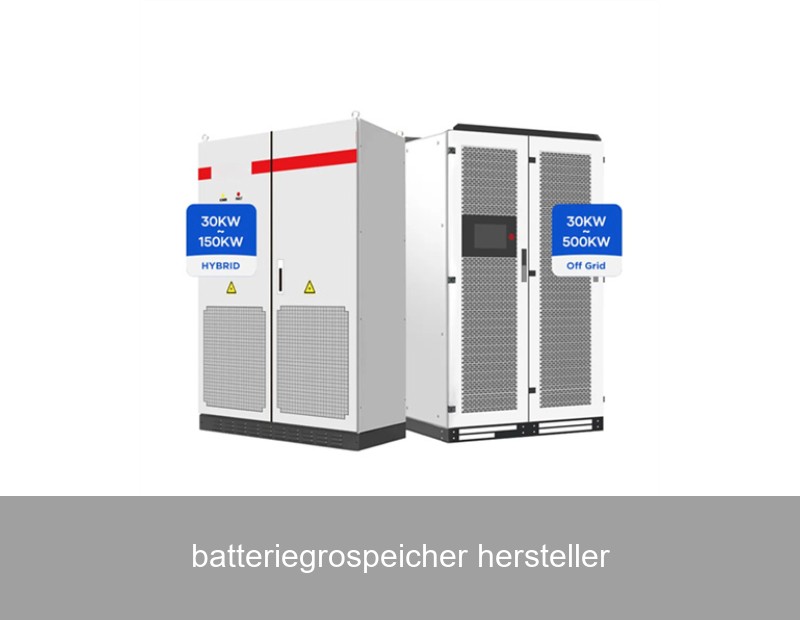
Have you ever wondered how we can keep the lights on when the sun isn't shining and the wind isn't blowing? The answer is increasingly being provided by large-scale battery energy storage systems (BESS), and the companies that design and build them—the Batteriegroßspeicher Hersteller. As the global shift to renewable energy accelerates, particularly in markets like Europe and the United States, these massive batteries are becoming the unsung heroes of grid stability and energy independence. They are no longer a futuristic concept but a present-day necessity for integrating volatile renewable sources, managing peak demand, and ensuring a resilient power supply. This article dives deep into the world of grid-scale battery storage manufacturers, exploring their critical role, what to look for in a provider, and how their technology is shaping a sustainable energy landscape.
The Rising Demand for Large-Scale Battery Storage
The energy transition presents a fascinating paradox: the more successful we are at deploying solar and wind, the greater the need becomes for sophisticated storage solutions. Let's break down the driving forces.
The Intermittency Challenge of Renewables
Solar panels produce energy only during daylight hours, with a peak around midday. Wind turbines generate power when the wind blows. This doesn't always align with when we need electricity most—often in the early morning and evening. This mismatch creates a "duck curve" (a well-known phenomenon in grid management), where net demand plunges during the day and spikes sharply in the evening. Without storage, this can lead to grid instability, curtailment of renewable energy (essentially wasting clean power), and a continued reliance on fossil-fuel "peaker" plants.
Data & Market Growth: A Sector Booming
The numbers speak for themselves. According to the International Energy Agency (IEA), the global grid-scale battery storage capacity is set to multiply exponentially, reaching over 1,000 GW by 2030. In Europe, ambitious climate targets like the EU's Green Deal are fueling massive investments. In the US, the Inflation Reduction Act (IRA) provides significant tax incentives for standalone storage projects. This policy-driven growth has turned the spotlight on experienced and innovative Batteriegroßspeicher Hersteller who can deliver reliable, safe, and bankable systems.

Image: Utility-scale battery storage systems are crucial for modern renewable energy parks. Source: Unsplash
Key Criteria for Choosing a Batteriegroßspeicher Hersteller
Selecting the right manufacturer for a multi-megawatt storage project is a complex, high-stakes decision. It goes far beyond just the price per kilowatt-hour. Here are the essential factors to consider.
- Core Technology & Battery Chemistry: Not all batteries are created equal. A leading manufacturer will offer technology-suited to the application. Lithium Iron Phosphate (LFP) is now the dominant chemistry for grid storage due to its superior safety, long cycle life, and stability. The best providers deeply understand the nuances of cell selection, thermal management, and battery management systems (BMS).
- System Integration & Power Conversion Expertise: A battery rack is just one component. The true value lies in the integrated system, including the bi-directional inverter (PCS - Power Conversion System), medium-voltage transformer, and the plant controller. Seamless communication between these components is vital for performance and safety.
- Software & Intelligence: The "brain" of the storage system is its software. Advanced energy management systems (EMS) enable multiple revenue streams: frequency regulation, energy arbitrage (buying low, selling high), peak shaving, and black start capabilities. The manufacturer's software platform should be agile, secure, and capable of grid service integration.
- Safety & Certification: Safety is non-negotiable. Look for manufacturers with systems that comply with the strictest international standards (UL, IEC, CE). This includes not just cell-level safety but comprehensive system-level design with fire suppression, gas detection, and robust containment strategies.
- Proven Track Record & Bankability: Can the manufacturer point to real, operational projects with published performance data? A track record of successful deployments is critical for securing project financing (it's often called "bankability"). Investors and utilities need confidence in the technology and the company behind it.
Case Study: Grid Stability in Bavaria, Germany
Let's look at a real-world example that highlights the value a top-tier Batteriegroßspeicher Hersteller brings. In southern Germany, a regional grid operator faced a growing challenge: local grid congestion due to a high density of rooftop solar PV. During sunny days, excess solar power threatened to overload the medium-voltage lines, forcing the operator to consider costly grid upgrades.
The Solution: Instead of investing millions in new copper and cables, the operator partnered with a storage specialist to deploy a 12 MWh / 6 MW battery storage system at a strategic grid node. The system, based on Highjoule's GridMax Pro platform, was designed to:
- Absorb excess solar generation during peak production hours.
- Reinject the stored power during the evening peak demand.
- Provide primary frequency regulation (FCR) services to the continental European grid, creating an additional revenue stream.
The Results (with Real Data): In its first 18 months of operation:
| Metric | Result | Impact |
|---|---|---|
| Grid Congestion Events Mitigated | Over 220 | Deferred costly grid expansion by an estimated 7-10 years. |
| Renewable Energy Curtailment Avoided | ~4.2 GWh | Enough clean electricity to power ~1,200 households for a year. |
| Frequency Regulation Revenue | Significant secondary income | Improved the project's financial ROI and payback period. |
Highjoule: Your Partner for Advanced Energy Storage
As a global leader founded in 2005, Highjoule embodies the expertise and reliability that project developers, utilities, and commercial & industrial (C&I) players seek in a Batteriegroßspeicher Hersteller. Our mission is to deliver intelligent, efficient, and sustainable power solutions that are tailored to the specific needs of each market, from frequency-driven European grids to capacity-constrained US markets.
Our flagship product, the Highjoule GridMax Pro, is a fully integrated, containerized BESS solution designed for utility and large C&I applications. It features our proprietary, AI-driven Helios EMS platform, which optimizes system performance for the highest lifetime value. For commercial and industrial customers looking to reduce demand charges and increase self-consumption of solar power, our Highjoule C&I Cube offers a modular, scalable, and turnkey solution.
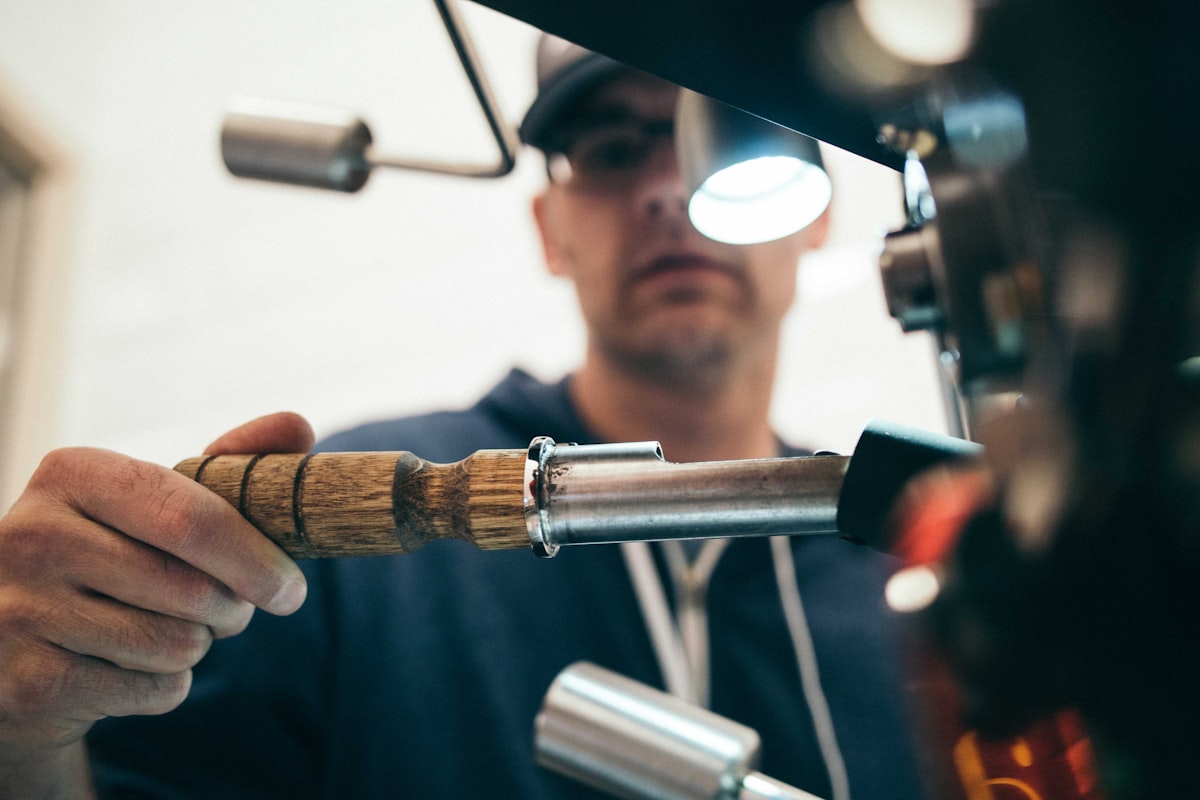
Image: Technicians and advanced control systems ensure the safe operation of large-scale BESS. Source: Unsplash
What sets Highjoule apart is our end-to-end service model. We don't just sell hardware; we provide comprehensive support including feasibility studies, system design, grid connection support, commissioning, and long-term performance monitoring and maintenance. Our systems are designed with the future in mind, ensuring they can adapt to new grid services and market rules over their 20+ year lifespan.
Future Trends in Large-Scale Energy Storage
The innovation curve in battery storage is steep. As a leading Batteriegroßspeicher Hersteller, we are actively shaping and responding to these key trends:
- Hybrid & Multi-Technology Plants: The future lies in "energy parks" that combine solar PV, wind, battery storage, and sometimes even green hydrogen electrolyzers on a single grid connection. This requires sophisticated control systems to manage the interplay between generation and storage assets—a core competency of Highjoule's Helios platform.
- Second-Life EV Batteries: A sustainable circular economy approach involves repurposing electric vehicle batteries for less demanding grid storage applications. This presents unique technical challenges in system integration and grading that forward-thinking manufacturers are beginning to address.
- Grid-Forming Inverters: This is a true game-changer. Traditional "grid-following" inverters need a stable grid signal to operate. Grid-forming inverters (GFMI), however, can create their own voltage and frequency, essentially acting as a virtual synchronous generator. This technology is crucial for building a resilient grid with very high renewable penetration, and it's being integrated into the next generation of storage systems.
The journey to a decarbonized, reliable energy system is well underway. The choice of your technology partner—your Batteriegroßspeicher Hersteller—will fundamentally determine the success and longevity of your storage investment. Are you evaluating how a large-scale battery system could solve a specific grid constraint, unlock new revenue, or future-proof your energy assets? What is the most pressing energy challenge your community or business is facing today?
 Inquiry
 Online Chat