


The Heart of Home Energy: Why Your Inverter Needs a Battery
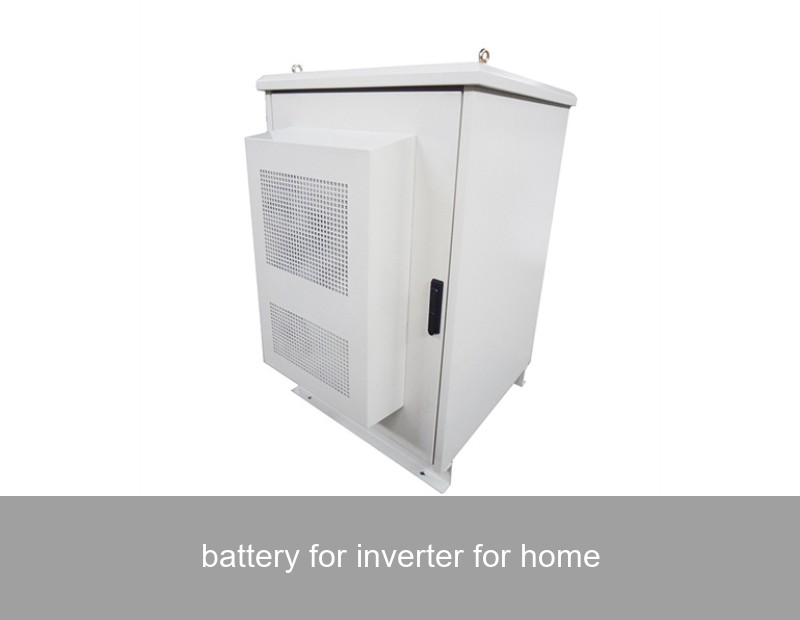
If you've invested in solar panels, you're already harnessing the sun's power. But have you ever wondered where that energy goes when the sun sets or during a grid outage? The answer lies in a crucial component: the battery for inverter for home. This pairing isn't just an add-on; it's the brains and brawn of a truly resilient and efficient home energy system. Think of your solar panels as a prolific water source, your inverter as the pump and treatment plant, and the battery as a vast reservoir. Without the reservoir, you can only use the water as it flows. With it, you have security, control, and independence.
This shift from passive consumption to active energy management is sweeping across homes in Europe and the United States. Driven by rising electricity costs, increasing grid instability, and a genuine desire for sustainability, homeowners are looking beyond generation to storage. The right battery system transforms your solar investment from a daytime saver into a 24/7 energy asset.

Image: A modern home energy setup integrating solar generation and battery storage. Credit: Unsplash
More Than Backup: The Multifaceted Role of a Home Battery System
The primary reason many consider a battery is backup power. And it's a fantastic reason. But the benefits of integrating a home battery with your inverter extend far beyond keeping the lights on during a storm.
- Energy Independence & Self-Consumption: Maximize the use of your solar energy. Store excess power produced at midday for use in the evening, reducing reliance on the grid from 80% to 95% or more.
- Bill Management & Arbitrage: In regions with Time-of-Use (TOU) rates, store cheap off-peak or solar energy and use it during expensive peak hours. This simple shift can dramatically slash your electricity bills.
- Grid Support & Sustainability: By using more of your own clean energy, you reduce strain on the grid and lower your carbon footprint. Some advanced systems can even provide grid services.
- Increased Home Value: A study by the U.S. Department of Energy suggests homes with solar-plus-storage systems are increasingly attractive to buyers, commanding a premium.
Key Considerations When Choosing a Battery for Your Inverter
Not all batteries are created equal. Selecting the right one is about matching technology to your needs. Here are the core factors to discuss with your installer:
| Consideration | What It Means | Key Questions to Ask |
|---|---|---|
| Battery Chemistry | The core technology. Lithium Iron Phosphate (LFP) is now the industry standard for safety, longevity, and performance. | Is the battery LFP? What is its expected cycle life (e.g., 6,000 cycles)? |
| Capacity & Power | Capacity (kWh) is your "energy tank." Power (kW) is how fast you can fill or empty it. Both are crucial. | What is my daily energy usage? What critical appliances do I want to back up (e.g., fridge, well pump)? |
| AC- vs. DC-Coupled | How the battery connects to your system. DC-coupled is typically more efficient for new solar installations. | Am I installing a new solar system or adding a battery to an existing one? |
| Depth of Discharge (DoD) | The usable percentage of the battery's total capacity. A higher DoD means more usable energy. | What is the recommended DoD to ensure the battery's warranty remains valid? |
| Software & Intelligence | The brain of the system. Smart software optimizes charging/discharging based on weather, tariffs, and habits. | Does the system have smart, learning software? Can I control it via an app? |
Real-World Impact: A Case Study from California
Let's move from theory to practice. The Smith family in Fresno, California, faced classic challenges: high summer cooling costs, frequent Public Safety Power Shutoffs (PSPS) due to wildfire risk, and a TOU rate plan from their utility. Their existing 8kW solar system covered only about 60% of their annual usage because they were away during peak production hours.
In 2022, they installed a 13.5 kWh LFP battery system paired with a hybrid inverter. The results after one year were compelling:
- Bill Savings: Their monthly electricity bill dropped from an average of $180 to a consistent $22 (the basic service fee). By shifting all evening load to stored solar, they avoided peak rates of over $0.50/kWh.
- Backup Security: During five grid outages totaling 42 hours, their home's essential circuits remained powered seamlessly. The system provided an estimated 18 hours of backup runtime for their critical loads.
- Self-Consumption: They increased their direct solar consumption from 35% to 92%, drastically reducing grid dependence.
This case, echoed by many in the National Renewable Energy Laboratory's (NREL) research, shows the tangible benefits of a well-sized battery for inverter for home systems in markets with specific grid and tariff structures.
Tailored Solutions: How Highjoule Powers Smarter Homes
At Highjoule, with nearly two decades of experience since 2005, we've seen the home energy storage revolution unfold. Our mission is to provide intelligent, efficient, and sustainable storage solutions that fit the unique needs of every homeowner. We understand that the perfect home battery and inverter solution isn't one-size-fits-all.
Our Residential Energy Hub series is designed specifically for this purpose. Built with ultra-safe LFP chemistry, these modular systems allow you to start with a 5 kWh base unit and expand up to 30+ kWh as your needs grow. What sets the Highjoule system apart is its Adaptive Learning Software. It doesn't just follow simple rules; it analyzes your historical consumption, local weather forecasts, and real-time electricity pricing to make the most economical decision every minute of the day.

Image: Monitoring and controlling your home energy system through an intuitive app. Credit: Unsplash
For homeowners in Europe, where grid tariffs and feed-in premiums are constantly evolving, or in the U.S., where TOU rates and net metering policies vary by state, this intelligence is priceless. Our systems are also designed for seamless integration, whether you're building a new solar-plus-storage system or retrofitting a battery to work with your existing panels and inverter. Highjoule's certified installers ensure a smooth process from consultation to commissioning, providing you with a turnkey solution for energy independence.
Your Home's Energy Future: What's the Next Step?
The journey to a more resilient, efficient, and sustainable home starts with a question. Are you ready to stop letting valuable solar energy go to waste and start taking control of your power? The combination of a high-quality battery for inverter for home is the key that unlocks this potential.
What would you power first during an outage, and how would managing your energy costs better impact your family's monthly budget?
 Inquiry
 Online Chat