


Power Through the Night: Your Essential Guide to the Solar Backup Battery
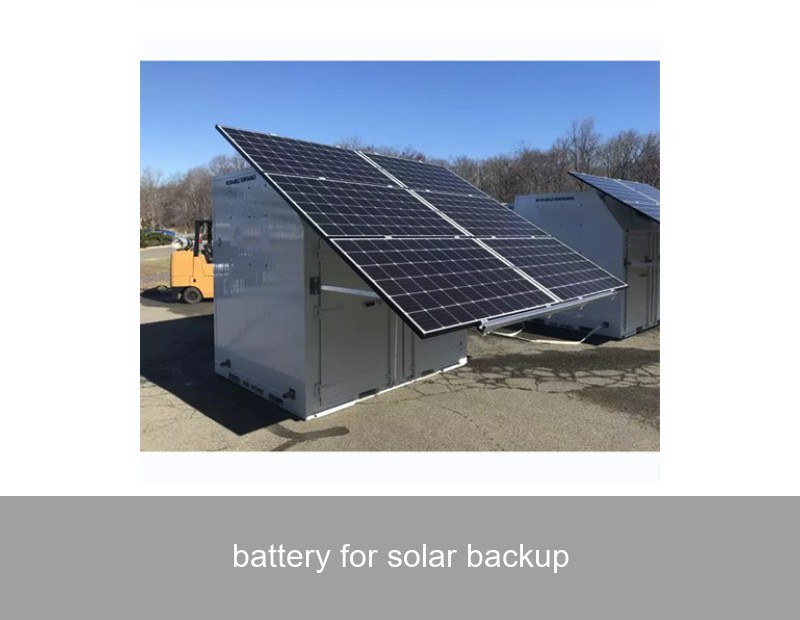
Imagine this: the sun has set, your solar panels are asleep, but your home is still humming with clean, self-generated electricity. Or, a storm knocks out the grid for your business, but your operations continue uninterrupted, powered silently from within. This isn't a vision of the future; it's the reality enabled by a battery for solar backup. For homeowners and business leaders in Europe and the US seeking true energy independence, pairing solar with a dedicated backup battery system is the definitive next step. This guide will demystify solar batteries, explore their critical role, and show you how they transform solar panels from a daytime supplement into a 24/7 power solution.
Table of Contents
- What is a Solar Backup Battery System?
- The Surge: Why Solar Backup is No Longer Optional
- Key Components of a Robust Solar Battery System
- Case Study: A German Bakery's Recipe for Resilience
- Choosing the Right Battery for Your Needs
- The Highjoule Approach: Intelligent, Integrated Energy Security
- Looking Ahead: The Future of Home and Business Energy
What Exactly is a Solar Backup Battery System?
At its core, a battery for solar backup is an energy storage system that captures and stores excess electricity generated by your solar panels during the day. Instead of sending all surplus power back to the grid (often for minimal feed-in tariffs), you store it locally. This stored energy is then available for use at night, during periods of high cloud cover, or—most critically—during a power outage.
Think of it like this: your solar panels are a fantastic well, drawing water (energy) when the sun shines. A battery is the storage tank, ensuring you have a reliable supply even when the well isn't actively producing. Modern systems, like those developed by Highjoule, integrate an inverter, a battery bank, and sophisticated energy management software into a seamless, automated unit that manages energy flow intelligently without you lifting a finger.
The Surge: Why Solar Backup is No Longer Optional
The conversation around solar energy has decisively shifted from mere cost savings to unwavering resilience and independence. Two powerful forces are driving this shift.
Phenomenon: Increasing grid instability and the rising frequency of extreme weather events. From winter storms in Texas to heatwaves in California and fluctuating grid reliability in parts of Europe, power outages are becoming a more common disruption.
Data & Impact: The U.S. Energy Information Administration (EIA) reports that the average U.S. customer experienced just over eight hours of power interruptions in 2020. For businesses, even a short outage can mean lost revenue, spoiled inventory, and operational chaos. For families, it can mean discomfort, safety concerns, and disruption to work-from-home and learning.
Insight: Solar panels alone cannot power your home during a grid outage. For safety reasons, standard grid-tied solar systems automatically shut down when the grid fails. A dedicated solar backup battery with islanding capability is what allows your system to disconnect from the grid safely and create a personal, functional microgrid for your property.
Key Components of a Robust Solar Battery System
Not all battery systems are created equal. A high-performance backup solution consists of:
- Battery Chemistry: Most modern systems use Lithium Iron Phosphate (LiFePO4) batteries. They offer a superior balance of safety, longevity (often 6,000+ cycles), and performance across a wide temperature range compared to older lead-acid or other lithium variants.
- Inverter/Charger: This is the brain of the operation. A hybrid inverter manages DC power from the panels, converts it to AC for your home, directs excess to charge the battery, and seamlessly switches to backup mode during an outage. Highjoule systems feature advanced inverters with high surge capacity to start demanding appliances like air conditioners or pumps.
- Energy Management System (EMS): This intelligent software learns your energy consumption patterns, weather forecasts, and utility rate schedules (where applicable) to optimize when to store, use, or export energy, maximizing your financial return and preparedness.
- Scalable Capacity: Your energy needs will evolve. A quality system allows you to add more battery modules over time, increasing your storage capacity without replacing the entire unit.
Real-World Case Study: A German Bakery's Recipe for Resilience
Let's move from theory to a tangible example. Consider "Bäckerei Schmidt" (a composite of typical projects), a family-run artisan bakery in Bavaria, Germany.
The Challenge: Frequent short-duration grid fluctuations were disrupting sensitive proofing and refrigeration equipment, risking product quality. A prolonged outage would mean massive financial loss and wasted ingredients.
The Solution: In 2023, they installed a 50 kW solar array paired with a Highjoule HI-Stack Commercial 30 battery storage system, providing 60 kWh of usable storage capacity.
| Metric | Before Installation | After Installation |
|---|---|---|
| Grid Outage Resilience | 0 hours (full shutdown) | Over 8 hours of critical operation |
| Solar Self-Consumption | ~35% (rest exported) | Increased to ~85% |
| Grid Energy Cost Mitigation | High peak-time charges | Reduced peak demand by 70% |
The Insight: For Bäckerei Schmidt, the battery for solar backup was not just an emergency tool; it became a daily profit center. By storing cheap solar power and avoiding expensive grid power during peak hours, the system pays for itself while guaranteeing their operations are protected. This dual value proposition—economic and resilience—is the hallmark of a smart investment.

Image Source: Unsplash - Representative image of commercial solar installation.
Choosing the Right Battery for Your Solar Backup Needs
Selecting a system involves asking the right questions:
- Backup Goals: Do you need to power essential circuits (lights, fridge, router) or your entire home/business ("whole-home backup")?
- Capacity & Power: Capacity (kWh) is your "fuel tank" size—how long you can run. Power (kW) is the "engine size"—how many appliances you can run at once. Ensure your system has sufficient continuous and surge power ratings.
- Integration: Is this for a new solar installation or a retrofit to an existing array? Compatibility with your current setup is crucial.
- Warranty & Lifespan: Look for a strong warranty that guarantees both a period of years (e.g., 10) and a throughput/cycle count, reflecting confidence in the battery's longevity.
The Highjoule Approach: Intelligent, Integrated Energy Security
At Highjoule, with nearly two decades of expertise since 2005, we engineer storage solutions that go beyond mere backup. Our philosophy is that a battery for solar backup should be an intelligent asset that works for you 24/7, not just during emergencies.
Our flagship residential product, the Highjoule HomePower Hub, exemplifies this. It's a fully integrated AC-coupled system featuring our proprietary LiFePO4 battery modules and the Highjoule EnergyOS platform. The EnergyOS software intelligently manages your energy flow based on real-time data, allowing homeowners to prioritize self-consumption, participate in virtual power plant (VPP) programs where available, or ensure maximum backup reserve ahead of forecasted storms.
For commercial and industrial clients, our HI-Stack Modular Series provides scalable power from 30 kWh to multi-megawatt-hour installations. These systems are designed to handle demanding commercial loads, provide critical UPS-like functionality, and deliver significant savings through peak shaving and demand charge management. Whether it's a hospital requiring flawless backup, a factory optimizing its energy costs, or a microgrid powering a remote community, Highjoule provides the robust, smart infrastructure to make sustainable energy reliable.

Image Source: Unsplash - Representative image of a modern home battery installation.
Looking Ahead: The Future of Home and Business Energy
The integration of solar, storage, and smart management is creating a new paradigm: the prosumer (producer + consumer). Homes and businesses are becoming active nodes in a more decentralized and resilient energy network. With electric vehicle (EV) charging adding another layer of demand and opportunity, the role of the battery as the central home energy manager will only grow.
The technology is here, it's proven, and it's more accessible than ever. The question is no longer if a battery for solar backup is a valuable addition, but how to select the right system to meet your specific goals for independence, savings, and peace of mind.
What would uninterrupted power allow you to protect or achieve in your home or business during the next grid outage?
 Inquiry
 Online Chat