


Unlocking Solar's Full Potential: The Essential Guide to Battery Storage for PV Systems
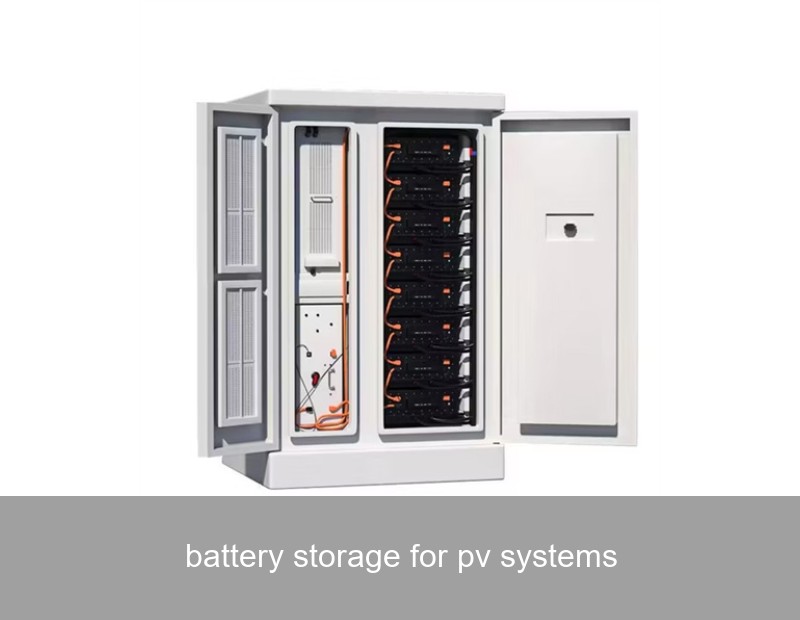
You made a smart choice investing in solar panels. You're generating clean energy, reducing your carbon footprint, and watching your electricity bills drop. But have you ever found yourself glancing at a cloudy sky or checking the time as the sun sets, wondering where that excess power you generated at noon went? This common experience highlights the central challenge of solar power: its intermittency. This is precisely where battery storage for PV systems becomes not just an add-on, but a game-changer. By pairing your photovoltaic (PV) array with an intelligent battery system, you can capture that surplus solar energy and use it on your terms—transforming a variable energy source into a reliable, round-the-clock power solution.
The PV Puzzle: When the Sun Doesn't Shine
The phenomenon is clear. Solar panels produce the most energy in the middle of a sunny day, which often doesn't align with peak household or business energy consumption, typically in the early morning and evening. According to data from the U.S. Department of Energy, this mismatch can lead to "curtailment," where excess solar energy is wasted because the grid cannot absorb it all. For the individual, this means you're exporting power to the grid at low rates, only to import it back at night at a higher cost.
Think of it like filling a bathtub with a drain that's always open. You can pour water (solar energy) in quickly, but without a plug (a battery), you can't save it for later when you really need a bath. Battery storage acts as that essential plug, allowing you to store the valuable energy you produce.

Image Source: Unsplash (Representative image of a home with solar and storage)
How Battery Storage for PV Systems Works: Your Personal Energy Bank
At its core, a modern battery storage system for a PV installation is an intelligent energy management hub. Here's a simplified breakdown of the process:
- Energy Capture: During peak sunlight, your solar panels generate DC (direct current) electricity.
- Conversion & Storage: An inverter converts DC to AC (alternating current) for home use. The surplus energy, instead of going to the grid, is directed to charge the battery system (typically lithium-ion), where it's stored as DC power.
- Intelligent Discharge: When your solar production drops (at night or during poor weather), or when grid electricity prices are high, the system's brain—the energy management system (EMS)—seamlessly discharges energy from the battery, converting it back to AC to power your home or business.
- Grid Interaction: Advanced systems can also interact with the grid, providing services like peak shaving (reducing draw from the grid during expensive peak times) or even feeding stored energy back during critical grid events, if permitted and configured to do so.
Key Benefits: Beyond Just Backup Power
While emergency backup during outages is a significant advantage, the value proposition of battery storage for PV systems extends much further:
| Benefit | Description | Impact |
|---|---|---|
| Maximized Self-Consumption | Use more of the solar energy you produce, sometimes increasing self-consumption rates from 30% to 70% or higher. | Drastically reduces electricity bills and accelerates ROI on your solar investment. |
| Energy Independence | Reduces reliance on the utility grid and protects against volatile energy prices. | Predictable energy costs and greater control over your power supply. |
| Grid Support & Resilience | Systems can help stabilize the local grid and provide uninterrupted power during blackouts. | Contributes to community energy stability and ensures essential power for your home or business. |
| Reduced Carbon Footprint | Enables a higher utilization of clean, renewable solar energy around the clock. | Lowers your overall environmental impact by displacing fossil-fuel-based grid power. |
Real-World Impact: A Case Study from Bavaria
Let's move from theory to practice. Consider a mid-sized dairy farm in Bavaria, Germany. The farm installed a 100 kWp solar array on its barn roofs, but faced the classic mismatch: milking machines, cooling, and processing operated heavily in the early morning and evening. Much of their midday solar yield was being sold to the grid at a low feed-in tariff.
In 2022, they integrated a battery storage for PV systems solution—specifically, a Highjoule C&I PowerStack 120 kWh system. The results, monitored over one year, were compelling:
- Self-Consumption Rate: Increased from 35% to 82%.
- Grid Electricity Purchases: Reduced by 68%.
- Annual Energy Cost Savings: €14,500, projecting a payback period of under 7 years.
- Resilience: The system automatically provided backup power during two brief grid outages, preventing spoilage of refrigerated products.
This case, documented in a report by the Fraunhofer Institute for Solar Energy Systems, illustrates the tangible economic and operational benefits for commercial entities. The farm now operates as a more self-sufficient energy node.
Choosing the Right System: Key Considerations
Selecting the optimal battery storage for PV systems requires careful planning. Key factors include:
- Capacity & Power: Capacity (kWh) is your "energy tank size," while power (kW) is how much energy you can use at once. Your provider should analyze your consumption patterns to size these correctly.
- Battery Chemistry & Lifespan: Lithium Iron Phosphate (LFP) is now the dominant chemistry for stationary storage due to its safety, long cycle life (often 6,000+ cycles), and stability.
- System Integration & Intelligence: The inverter and energy management software are the brains. Look for systems that offer smart, weather-forecast-based charging, user-friendly monitoring apps, and the ability to adapt to future tariff structures.
- Safety & Certification: Ensure the system has all necessary regional safety certifications (e.g., UL 9540 in the US, CE in Europe) and includes robust thermal management and safety disconnects.
Highjoule's Smart Solutions: Engineered for Reliability
At Highjoule, with nearly two decades of expertise, we design our battery storage for PV systems to address these exact considerations. Our product families, like the ResiCore series for homes and the C&I PowerStack for businesses, are built on LFP chemistry and feature our proprietary Adaptive Energy OS.
This intelligent platform doesn't just react; it learns and predicts. By integrating local weather forecasts and your historical usage, it optimizes charge/discharge cycles to maximize your financial savings and energy independence. For instance, it might conserve a battery reserve ahead of a predicted storm while ensuring your storage is fully utilized during peak tariff hours. Our systems are designed for seamless integration with both new and existing PV installations, providing a future-proof foundation for a sustainable energy ecosystem at your property.

Image Source: Unsplash (Representative image of a commercial battery storage installation)
The Future Outlook: Smarter, More Integrated Grids
The journey of battery storage for PV systems is just beginning. We are moving towards virtual power plants (VPPs), where thousands of decentralized home and business storage units are aggregated to act as a single, flexible power plant, supporting the grid during times of high demand. This not only enhances grid stability but can also create new revenue streams for system owners. Furthermore, the integration of electric vehicle bidirectional charging (V2H/B) will turn EVs into mobile storage assets, creating a truly dynamic and resilient home energy system.
The technology, as noted by the International Energy Agency, is a cornerstone for deep decarbonization of our power sectors. It's the key to moving from simply generating green energy to truly living on it, reliably and efficiently.
 Inquiry
 Online Chat