


Finding the Best Hybrid Inverter in Nigeria: Your Guide to Uninterrupted Power
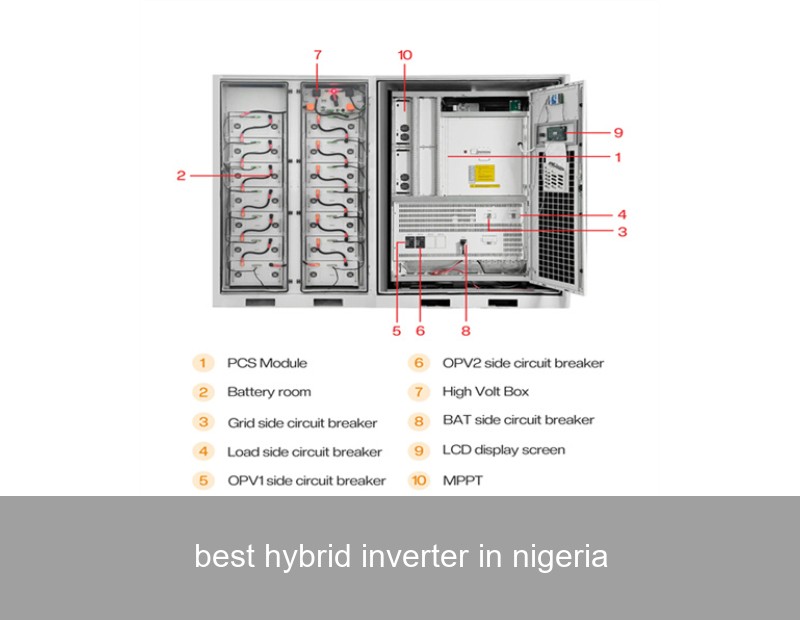
If you're in Nigeria, you've likely had this thought more than once: "There must be a better way to deal with these power outages." The hum of generators is a national soundtrack, but the cost of fuel and maintenance is a constant burden. This search for a better way is precisely why more homes and businesses are turning to solar hybrid systems. At the heart of any effective system lies a critical component: the best hybrid inverter in Nigeria. But what makes one inverter "the best" for Nigeria's unique challenges of grid instability, intense heat, and the need for robust reliability? As a global leader in advanced energy storage, Highjoule has been engineering solutions for such demanding environments since 2005. Let's demystify the hybrid inverter and explore how choosing the right one can transform your energy independence.
Table of Contents
What is a Hybrid Inverter & Why Does Nigeria Need It?
Think of a hybrid inverter as the intelligent brain of your power system. Unlike a standard solar inverter that only converts solar DC power to AC for your appliances, a hybrid inverter does much more. It intelligently manages three power sources: solar panels, the grid (when available), and a battery bank. Its primary job is to keep your lights on seamlessly, prioritizing free solar energy, storing excess in batteries, and only drawing from the grid or a generator when absolutely necessary.
For Nigeria, this functionality isn't a luxury; it's a necessity. The World Bank reports that over 85 million Nigerians lack reliable grid access. Even for those connected, the supply is often erratic. A top-tier hybrid inverter directly addresses this by:
- Eliminating Power Transition Gaps: It switches between sources in milliseconds, so your computers and appliances don't reboot.
- Maximizing Solar Investment: It ensures every possible kilowatt-hour from your panels is used, either immediately or stored for later, slashing generator runtime.
- Providing Grid Support: Advanced models can even stabilize weak grid connections, protecting your sensitive equipment.

Image: A reliable solar hybrid system starts with quality components. (Source: Unsplash)
Key Features of the Best Hybrid Inverter for Nigerian Conditions
Not all hybrid invertors are created equal. Nigeria's environment demands specific durability and intelligence. Here’s what to look for:
| Feature | Why It Matters in Nigeria |
|---|---|
| High Temperature Tolerance | Ambient temperatures can soar. The inverter must operate efficiently at 40°C+ without derating or overheating. |
| Wide MPPT Voltage Range | Allows more flexibility in panel configuration and ensures optimal harvest even on hazy or partly cloudy days. |
| Robust Battery Compatibility | Should support various battery types (Lithium, AGM, Gel) and feature smart charging algorithms to extend battery life in demanding cycling. |
| Grid & Generator Support | Must handle wide grid voltage fluctuations and synchronize seamlessly with backup generators for a true multi-source setup. |
| Intuitive Monitoring & Control | Remote monitoring via an app is crucial for tracking performance, diagnosing issues, and optimizing usage from anywhere. |
Case Study: A Lagos Business Beats "Diesel Anxiety"
Consider the experience of a medium-sized Lagos pharmacy chain with three stores. Before 2023, they relied on 12-14 hours of daily generator use per store, spending an average of ₦280,000 monthly on diesel, not including maintenance. Power cuts disrupted refrigeration for vaccines and medicines, posing a serious business and health risk.
The Solution: They installed a 25kW solar hybrid system at their main store, centered on a high-efficiency, grid-interactive hybrid inverter with 40kWh of lithium battery storage.
The Data-Driven Outcome (6 Months Post-Installation):
- Denerator Run-Time Reduced by 85%: The generator now runs only as an absolute last resort during prolonged cloudy periods.
- Monthly Energy Cost Savings of 70%: Diesel expenditure dropped to approximately ₦85,000, with a clear payback period on track for under 4 years.
- Zero Product Spoilage: The seamless transition of the hybrid system ensured refrigerators maintained constant temperature.
- Carbon Footprint Reduced: They estimate an annual reduction of 12 tonnes of CO2 emissions.
This real-world example shows that the best hybrid inverter in Nigeria isn't just a piece of hardware; it's the core of a strategic investment that delivers financial, operational, and environmental returns.
The Highjoule Solution: Engineered for Resilience
At Highjoule, we understand that your inverter is the heart of your power resilience. Our product philosophy is built on the belief that an energy system should be intelligent, efficient, and utterly dependable. Drawing on nearly two decades of experience from Europe to North America, we design our hybrid inverters and integrated systems to meet and exceed the harsh demands of markets like Nigeria.
Our HI-Series Hybrid Inverters are a testament to this. They are built with a focus on the features that matter most:
- Adaptive Power Management: Our proprietary software constantly analyzes solar production, load demand, battery state, and grid quality to make the most economical and safe power flow decisions every second.
- Tropical-Ready Design: With a high operating temperature ceiling and conformal coated circuit boards for protection against humidity and dust, the HI-Series is built for the long haul.
- Seamless Integration: They are the perfect centerpiece for a complete Highjoule ecosystem, which includes our high-density lithium-ion H-Cell battery cabinets and the H-View energy management platform. H-View gives you crystal-clear visibility into your energy flows, costs, and savings from your smartphone, putting you in full control.

Image: Modern battery storage, like Highjoule's H-Cell, is key to maximizing a hybrid inverter. (Source: Unsplash)
For businesses and larger installations, our microgrid-ready solutions take this further. These systems can island entire facilities or communities, creating self-sustaining power networks that operate independently from the grid—a game-changer for industrial estates, hospitals, and universities in Nigeria. According to the IEA's Africa Energy Outlook 2022, decentralized solar-hybrid systems are pivotal for addressing the continent's energy access gap, and Highjoule's technology is designed to lead that charge.
Making the Right Choice for Your Home or Business
Choosing the best hybrid inverter in Nigeria ultimately depends on your specific needs. A residential bungalow in Abuja has different requirements than a manufacturing plant in Port Harcourt. The key is to partner with a knowledgeable provider who doesn't just sell equipment but designs a system.
Ask potential suppliers detailed questions: How does the inverter handle voltage spikes from the grid? What is the true efficiency rating under local climate conditions? Can the system be expanded if my energy needs grow? The answers will separate commodity products from engineered solutions like those from Highjoule.
Your Energy Future Starts with a Question
What would you do with guaranteed, clean, and predictable power for the next 20 years? How would eliminating fuel costs and generator noise change your home life or business operations? The journey to answering these questions begins with selecting the right core technology. We invite you to explore what a system built around resilience and intelligence can do for you.
What's the first load you would want to secure with uninterrupted, solar-powered electricity?
 Inquiry
 Online Chat