


Finding the Best Portable Power Station in Nigeria: Your Guide to Uninterrupted Energy
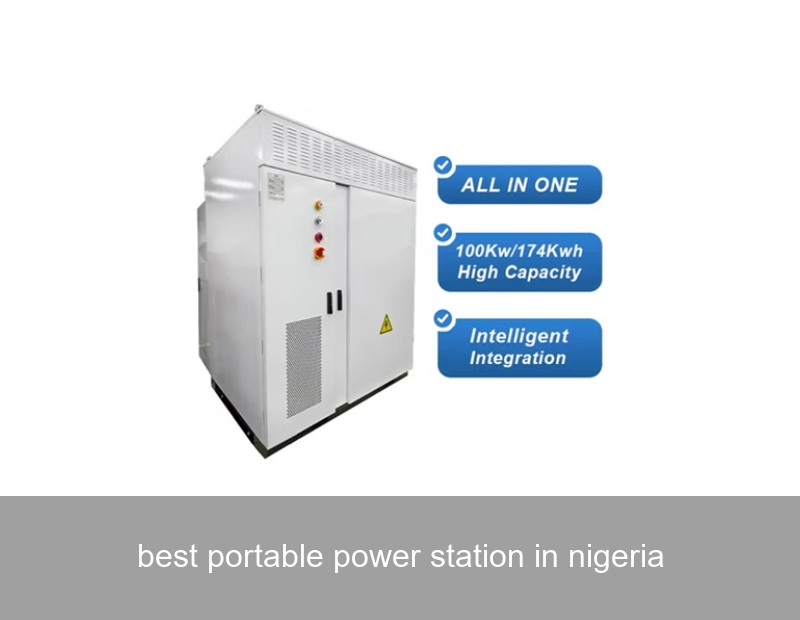
If you're searching for the best portable power station in Nigeria, you're not just shopping for a gadget—you're seeking a solution to a daily reality. For millions in Nigeria, from bustling Lagos to quieter rural communities, grid power is often unreliable. This isn't just an inconvenience; it disrupts work, education, communication, and even health. The hum of a gasoline generator has become a familiar, yet costly and polluting, soundtrack. But a quiet revolution is powering up. Portable power stations, advanced battery-based systems that store electricity for clean, silent use anywhere, are emerging as the intelligent alternative. But with so many options, what truly makes one the best portable power station for Nigeria's unique challenges? Let's explore.
What is a Portable Power Station, Really?
Forget the image of a loud, fume-spewing generator. A modern portable power station is essentially a large, sophisticated battery pack with built-in brains. It stores electrical energy (typically from AC wall outlets, solar panels, or car sockets) in a high-density lithium battery, then delivers it through various ports like AC outlets, USB ports, and 12V DC outputs. Think of it as a massive, universal power bank for your entire life—capable of running laptops, lights, fans, small refrigerators, CPAP machines, and even power tools.
The core advantage? Silence, zero emissions, minimal maintenance, and the ability to recharge from the sun, making it perfect for Nigeria's abundant sunlight. This turns a power station from a mere backup into a versatile, primary power source for off-grid situations or frequent outages.

Image Source: Unsplash - A modern portable power station enables work and connectivity anywhere.
Key Features for the "Best" in Nigeria's Context
The "best" choice isn't a global standard; it's what best fits the Nigerian environment. Here’s what to prioritize:
- Battery Capacity & Chemistry: Capacity (measured in Watt-hours, Wh) is your fuel tank. For meaningful backup, consider 1000Wh and above. Battery chemistry matters too. Lithium Iron Phosphate (LFP) batteries, like those used in Highjoule's industrial systems, are superior for hot climates. They offer longer lifespan (3,000+ cycles), better thermal stability, and enhanced safety compared to standard NMC lithium-ion, making them ideal for Nigeria's heat.
- Solar Recharging Capability & Speed: Given grid instability, solar input is non-negotiable. Look for a high solar input wattage (e.g., 500W+) and MPPT (Maximum Power Point Tracking) technology for faster, more efficient solar recharging. A station that can fully recharge from solar in 4-6 hours is a game-changer.
- Power Output & Surge Capacity: Ensure the AC inverter's continuous output (in Watts) can run your essential devices simultaneously. Crucially, it must handle surge power (the brief spike to start motors in fridges or pumps). A 2000W unit with a 4000W surge is far more practical than one without surge capacity.
- Durability & Cooling: The unit must withstand heat and dust. Look for robust casing and intelligent, quiet cooling systems (not just loud fans). Passive cooling or smart fan systems are preferable.
- Ports & Usability: Multiple AC outlets, fast-charging USB-C PD ports, and 12V carports offer versatility. A clear display showing input/output watts and battery time remaining is essential for management.
| Feature | Minimum Recommended Spec for Nigeria | Why It Matters |
|---|---|---|
| Battery Capacity | 1000 - 2000 Wh | Powers a mini-fridge, fan, lights, and phones for 8+ hours during outages. |
| Battery Chemistry | Lithium Iron Phosphate (LFP) | Longer life, safer in high temperatures, more cost-effective over time. |
| Solar Input | 500W+ with MPPT | Enables full recharging from sunlight in a reasonable time, ensuring true energy independence. |
| AC Output (Continuous/Surge) | 1500W / 3000W+ | Handles essential appliances and the startup surge of compressors (fridges) or small pumps. |
| Build & Cooling | Robust case, smart thermal management | Withstands dusty, hot conditions and operates reliably without overheating. |
Case Study: Powering a Lagos Small Business
Consider "Ngozi's Designs," a small tailoring workshop in Ikeja, Lagos. Previously reliant on a 5kVA generator spending ₦4,000 daily on fuel (≈ $2.80 USD), with noise and fumes disrupting the workspace. In July 2023, they invested in a 2016Wh LFP portable power station with 800W solar input capability.
- Data & Results:
- Fuel Savings: Generator use reduced by 80%, saving approximately ₦96,000 monthly ($67 USD).
- Productivity: Uninterrupted power for two industrial sewing machines, LED lights, and a fan extended working hours safely into the evening.
- ROI: The initial investment was recouped in under 11 months through fuel savings alone.
- Environmental Impact: Eliminated an estimated 1.2 tons of CO2 emissions annually.
This real-world example, echoed by many across Nigeria, shows that the best portable power station is an investment that pays tangible economic and quality-of-life dividends. You can read more about the economic impact of solar energy in developing economies in this report from the International Energy Agency (IEA).

Image Source: Unsplash - Portable power enables small businesses to thrive independently.
Beyond the Basics: The Highjoule Approach to Reliable Power
While portable stations are perfect for individual and small-scale solutions, the principles of reliable, clean energy storage scale up. At Highjoule, a global leader in advanced energy storage systems since 2005, we engineer resilience for larger needs. Our expertise in commercial, industrial, and microgrid storage informs what makes any battery system excellent.
The same LFP battery technology we deploy in mega-watt scale systems is the gold standard for portable units in harsh climates. Our focus on intelligent Battery Management Systems (BMS) that precisely control charging, discharging, and temperature is a critical feature to look for in any quality power station. For larger Nigerian businesses, hospitals, or communities considering microgrids, Highjoule's scalable solutions provide grid-forming independence, integrating solar, wind, and generator backup into a seamless, optimized flow of power. Think of your portable station as a personal microgrid; the engineering principles of efficiency, safety, and longevity are shared.
Choosing Your Power Partner: Critical Questions to Ask
Before you purchase, go beyond specs. Engage with vendors or manufacturers on these points:
- After-Sales Support: Is there a local service center or clear warranty process in West Africa? A 5-year warranty is meaningless without support channels.
- Local Compatibility: Are the AC outlets the right type (typically UK-style 3-pin plugs in Nigeria)? Is the unit certified for safety (look for CE, FCC marks)?
- Future-Proofing: Can you connect additional external batteries to expand capacity? This modularity can be very valuable.
For deeper insights into battery technologies and their lifecycle, resources like U.S. Department of Energy's vehicle technologies office provide valuable scientific context.
Your Next Step Towards Energy Independence
The search for the best portable power station in Nigeria is a step towards taking control of your energy. It's a choice for cleaner air, quieter nights, more productive days, and long-term savings. The technology is proven, and the suitability for Nigeria's solar-rich environment is undeniable.
So, we leave you with this: What's the first thing you would power—or the first cost you would cut—when you have clean, silent, and reliable electricity at your fingertips, anywhere?
 Inquiry
 Online Chat