


Finding the Best Solution for Load Shedding: A Guide to Uninterrupted Power
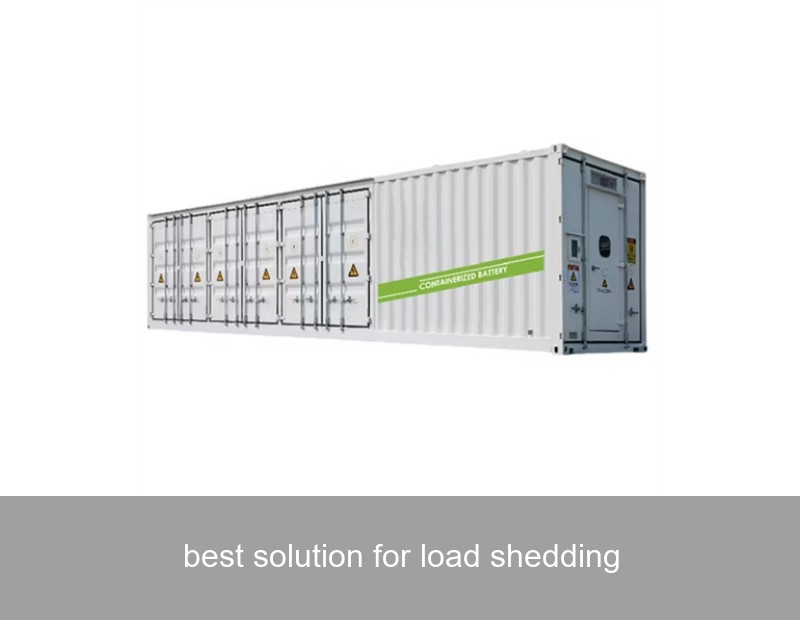
If you're reading this, chances are you've experienced the frustration of load shedding, rolling blackouts, or an unexpected grid outage. The lights flicker off, machinery grinds to a halt, and productivity plummets to zero. What was once a rare inconvenience in many parts of the world has become a recurring operational headache for businesses and homeowners alike, from Europe to the United States. The search for a reliable best solution for load shedding is no longer just about comfort—it's a critical component of financial stability and operational continuity. In this article, we'll cut through the noise and explore why modern battery energy storage is emerging as the superior choice, moving beyond stopgap measures to offer true energy independence.
Beyond Generators: Why Traditional Solutions Fall Short
For decades, the default answer to power outages was the diesel or gas generator. While they provide power, they come with significant drawbacks that make them a less-than-ideal solution for load shedding in today's world. They are noisy, produce significant local emissions (a growing concern for ESG goals), require constant fuel supply and maintenance, and often have a delayed start-up time. They are, essentially, a reactive measure.
Similarly, basic Uninterruptible Power Supplies (UPS) are excellent for protecting sensitive electronics for short durations—minutes, typically—but are not designed to carry an entire facility's load for hours on end. This gap between short-term backup and long-term, sustainable power is where modern technology steps in.

Image Source: Unsplash (Representative image of a commercial battery storage system)
The Modern Solution: Intelligent Battery Energy Storage Systems (BESS)
The best solution for load shedding today is proactive, intelligent, and integrated. An advanced Battery Energy Storage System (BESS) acts as a giant, smart battery for your home or business. But it's far more than just a battery. It's a sophisticated energy management hub that can:
- Seamlessly Take Over During Outages: Detect a grid failure in milliseconds and switch to backup power without interrupting your operations.
- Integrate with Solar PV: Store excess solar energy generated during the day to use at night or during an outage, maximizing your renewable investment.
- Provide Grid Services: In some markets, advanced systems can even participate in demand response programs, earning revenue by supporting the local grid during peak times.
- Reduce Energy Costs: By "peak shaving"—using stored energy during times of high, expensive grid demand—you can significantly cut your electricity bills.
What Makes the Best Solution for Load Shedding?
Not all battery storage systems are created equal. When evaluating the best solution for load shedding for your specific needs, consider these critical pillars:
Power Capacity & Scalability
The system must be correctly sized for your "critical load"—the essential equipment that must keep running. A quality provider won't offer a one-size-fits-all unit but will conduct a detailed energy audit. Look for modular systems that allow you to start with what you need and expand capacity as your needs grow.
Intelligence & Grid Integration
The true value lies in the software. An intelligent energy management system (EMS) is the brain that decides when to charge, discharge, or hold. It should be user-configurable, allowing you to set priorities (e.g., "keep the refrigerators and servers online first") and optimize for cost savings or resilience.
Safety & Long-Term Reliability
Battery chemistry and system design are paramount. Lithium Iron Phosphate (LFP) batteries, for instance, are widely recognized for their thermal stability, long cycle life, and safety—making them a preferred choice for stationary storage. The system should be equipped with comprehensive, multi-layered protection against overcharge, short circuits, and thermal events.
Sustainability & Financial Sense
The best solution for load shedding should pay for itself over time. Beyond just backup, its ability to reduce peak demand charges and leverage solar self-consumption creates a compelling return on investment (ROI). It's a move that makes both planetary and business sense.
Case Study: A California Winery's Vintage Saved
Let's look at a real-world example from California's Napa Valley, where grid outages (Public Safety Power Shutoffs) threaten delicate winemaking processes. A medium-sized winery faced the risk of losing entire batches of wine if temperature-controlled fermentation tanks lost power for even a few hours.
The Solution & Data: The winery installed a 500 kWh / 250 kW battery storage system integrated with its existing rooftop solar array. The system was programmed to prioritize the cooling systems for 40 critical fermentation and storage tanks.
| Metric | Result |
|---|---|
| Backup Runtime for Critical Loads | Over 10 hours |
| Annual Peak Demand Charge Reduction | 28% |
| Solar Self-Consumption Increase | From 35% to over 80% |
| Estimated ROI Period | 5.2 years |
During a planned 8-hour grid outage the following harvest season, the system performed flawlessly. Tank temperatures remained within a 0.5°C range, protecting a vintage valued at over $1.2 million. The winery manager noted it was "the first PSPS event where we could sleep soundly."

Image Source: Unsplash (Representative image of a winery production facility)
The Highjoule Approach: Engineered for Resilience
At Highjoule, with nearly two decades of experience since 2005, we've engineered our solution for load shedding around these very pillars. Our commercial and industrial Energy Storage Systems are built not as commodities, but as tailored resilience partners.
Our H-Series Modular Storage Units are built with premium LFP battery cells and feature a modular, containerized design. You can start with a single 100 kWh unit and scale to multi-megawatt-hour installations. The heart of the system is our JouleMind AI EMS, a proprietary platform that does more than just switch to backup. It learns your energy patterns, forecasts weather and grid conditions, and automatically optimizes for the lowest cost and highest reliability. For facilities with solar, it seamlessly integrates, turning a solar PV system into a true 24/7 power plant.
We understand that every facility is unique. That's why our process begins with a detailed consultation and energy analysis. We don't just sell hardware; we deliver a guaranteed performance outcome—uninterrupted power for your critical operations. Our systems are deployed across Europe and North America, providing peace of mind to data centers, manufacturing plants, cold storage facilities, and residential communities.
For deeper insights into grid trends and storage economics, reputable sources like the International Energy Agency (IEA) and the U.S. Department of Energy offer valuable context.
Is Your Business Prepared for the Next Grid Disruption?
The frequency and impact of load shedding are unlikely to decrease. Relying on the grid alone is becoming a strategic risk. The conversation has shifted from *if* you need a backup solution to *what kind* of solution will protect your assets, your revenue, and your peace of mind most effectively and sustainably. What would a single, extended power outage tomorrow cost your business in lost product, data, or customer trust? Are you ready to move from reactive concern to proactive resilience?
 Inquiry
 Online Chat