


Beyond Alternative Energy: The Critical Role of Advanced Energy Storage
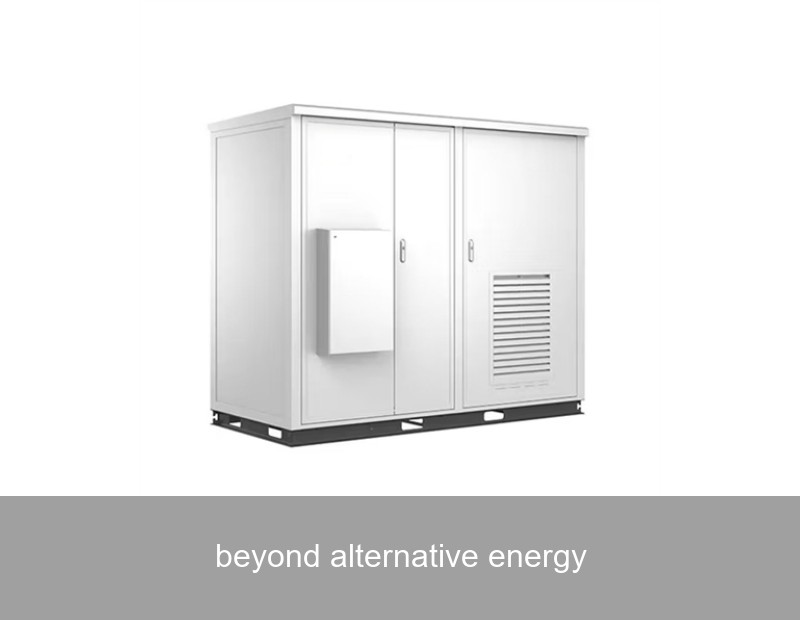
The conversation around our energy future has long been dominated by a single, powerful idea: alternative energy. Solar panels and wind turbines have become symbols of a cleaner, more sustainable world. But here’s a question we at Highjoule often ask: what happens when the sun sets or the wind stops blowing? The truth is, generating clean power is only half the battle. The real challenge—and the real opportunity—lies in what comes next. We must move beyond alternative energy generation alone and build a resilient, intelligent, and fully integrated energy ecosystem. This is where advanced energy storage systems (ESS) are not just an add-on, but the indispensable cornerstone of a true energy transition.
The Generation Gap: Why Production Isn't Enough
Renewable energy sources are inherently intermittent. This isn't a flaw; it's a fundamental characteristic. In Europe and the U.S., grids are experiencing unprecedented volatility. A sunny afternoon in California can lead to a surplus of solar power, potentially destabilizing the grid or forcing "curtailment"—essentially wasting clean energy. Conversely, a calm, cloudy period in the North Sea can cause a dramatic dip in wind supply.
Let’s look at the data. In 2023, California's grid operator, CAISO, had to curtail over 2.4 million megawatt-hours of primarily solar and wind energy due to oversupply and transmission limitations [source: CAISO]. That's enough clean electricity to power over 200,000 homes for a year, simply lost. This glaring inefficiency highlights the critical gap between generation and reliable, on-demand supply. We've mastered capturing energy from nature, but not yet mastered synchronizing it with our 24/7 modern lives.

This phenomenon creates a dual challenge for commercial and industrial (C&I) energy consumers: exposure to peak demand charges and uncertainty about power availability. Relying solely on the grid or your own solar array leaves you vulnerable.
The Storage Imperative: More Than Just a Battery
So, how do we bridge this gap? The answer is sophisticated energy storage. But let's be clear: we're not just talking about a bank of batteries in a shed. A modern Battery Energy Storage System (BESS) is a complex, intelligent piece of grid infrastructure. It performs three core functions that take us beyond alternative energy:
- Energy Time-Shifting (Arbitrage): Store cheap, abundant renewable energy when it's available and discharge it during expensive peak periods.
- Grid Services & Stability: Provide critical services like frequency regulation and voltage support, acting as a shock absorber for the grid. This is where advanced power electronics and control software are paramount.
- Backup Power & Resilience: Ensure operational continuity during outages, which is no longer a luxury but a necessity for businesses, hospitals, and communities.
Think of it this way: if renewable generation is the heart of the new energy system, then advanced storage is the brain and the muscle—making smart decisions and delivering power precisely when and where it's needed.
Case Study: Stabilizing the Grid in Wesel, Germany
Let's examine a real-world application. In Wesel, Germany, a region with high wind penetration, the local grid operator faced significant frequency fluctuations. These fluctuations, if unchecked, can damage sensitive industrial equipment and even lead to blackouts.
Highjoule was commissioned to deploy a 12 MWh containerized BESS at a primary substation. The system's primary mandate was frequency containment reserve (FCR), a service that requires responding to grid frequency deviations in milliseconds. Here’s what the project achieved:
| Metric | Result |
|---|---|
| System Capacity | 12 MWh / 6 MW |
| Response Time | < 1 second (full activation) |
| Annual Grid Service Provision | ~ 95% availability |
| CO2e Displacement (Annual) | Estimated 1,200 tons |
This Highjoule system now acts as a digital "grid shock absorber," smoothing out the irregularities caused by variable wind input. It allows more renewable energy to be safely integrated onto the local network, displacing fossil-fuel-based peaker plants. The project exemplifies moving beyond alternative energy production to actively managing and securing its contribution to the grid.
The Highjoule Approach: Intelligent Storage for Every Scale
Founded in 2005, Highjoule's mission has always been to solve the "last-mile" problem of the energy transition. We don't just supply battery racks; we deliver integrated, intelligent power solutions. Our systems are built with a layered intelligence approach:
- Hardware Agnostic Design: We integrate best-in-class battery cells (like LFP chemistry for safety and longevity) with our proprietary power conversion and thermal management systems.
- AI-Powered Energy Management System (EMS): The true brain of the operation. Our EMS can forecast energy production and consumption, optimize for cost or carbon savings, and seamlessly switch between operational modes (e.g., from peak shaving to backup power).
- Scalable Architecture: From our EverFlow Home series for residential prosumers to our GridMax Industrial and MicroGrid Nexus platforms for C&I and utility-scale applications, the core intelligence scales. A factory can start with a 500 kWh system and expand modularly to 5 MWh as needs evolve.

For a manufacturing plant in Ohio, this might mean slashing demand charges by 30%. For a remote microgrid in Scandinavia, it means achieving 90%+ renewable self-consumption year-round. The goal is the same: turning variable energy into a reliable, strategic asset.
Future Horizons: What's Next After Storage?
If storage is the key to moving beyond alternative energy, what lies beyond storage itself? The next frontier is the creation of truly autonomous, self-healing local energy networks. Imagine a community where residential, commercial, and industrial storage systems communicate with each other and the grid, forming a "virtual power plant" (VPP).
Highjoule is already piloting such VPP projects in the Netherlands, aggregating hundreds of behind-the-meter storage units to bid flexibility into wholesale energy markets. This turns every participant into an active stakeholder in grid stability. Furthermore, the integration of second-life EV batteries into stationary storage is opening new avenues for circular economy in the energy sector, a field we are actively researching and developing.
The journey doesn't end with installing a storage system. It begins there. The ultimate goal is a decentralized, democratized, and digitalized energy landscape where every kilowatt-hour of clean power is utilized to its maximum potential.
Your Energy Ecosystem
So, where does your organization stand on this journey? Are you simply generating alternative energy, or are you building a resilient, intelligent, and cost-effective energy ecosystem? What would it mean for your operations to have complete predictability and control over your power costs and carbon footprint?
We invite you to explore what moving beyond alternative energy could look like for your specific context. The technology is here, and the time for integration is now.
 Inquiry
 Online Chat