


Your Home Energy Storage Cabinet and Battery: The Heart of a Modern Power Ecosystem
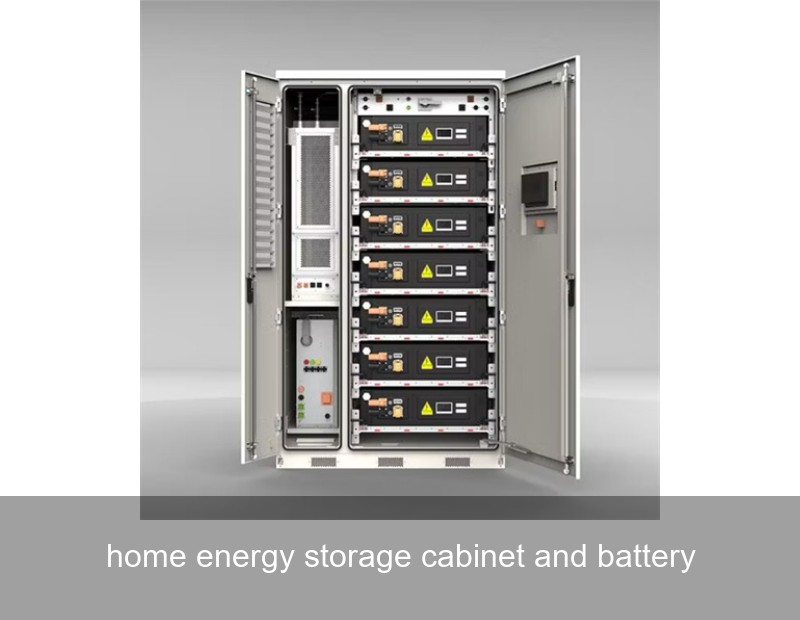
Imagine a quiet, sleek unit in your garage or utility room. It doesn't make a sound, but it's working tirelessly to secure your power, lower your bills, and reduce your carbon footprint. This is the modern home energy storage cabinet and battery system—far more than just a backup battery. It's the intelligent core of a new, resilient way to power our lives. For nearly two decades, Highjoule has been at the forefront of this revolution, engineering advanced storage solutions that empower homeowners to take control of their energy. Let's explore how this technology is reshaping homes across Europe and the United States.
The Phenomenon: Why Home Energy Storage is Booming Now
Not long ago, home energy storage was a niche product for the most dedicated off-grid enthusiasts. Today, it's becoming a mainstream consideration. The shift is driven by a powerful convergence of factors. Homeowners are increasingly experiencing grid instability, from rolling blackouts in California due to wildfire prevention to extreme weather events across Europe and the US knocking out power for days. Simultaneously, electricity prices have become volatile and consistently high. Meanwhile, the rapid adoption of rooftop solar has created a new question: "I'm generating clean energy, but how do I use it when I need it most—at night?" The answer lies in integrating a sophisticated home energy storage cabinet and battery system.

Image Source: Unsplash - A modern home equipped with solar and a wall-mounted battery storage system.
The Data Tells the Story: Security, Savings, and Sustainability
Let's move from the general phenomenon to the concrete benefits, backed by data. A well-designed home energy storage cabinet and battery system delivers value across three critical axes:
- Energy Security & Resilience: In the US, power outages have increased by approximately 67% since 2000. A storage system with a 10-20 kWh capacity can keep essential circuits—lights, refrigeration, medical devices, internet—running for hours or even days.
- Financial Savings: By storing cheap solar energy or off-peak grid electricity, homeowners can avoid buying expensive power during peak hours (4-9 pm). In many regions with time-of-use rates, the price difference can be 50-100%. This "peak shaving" directly slashes utility bills.
- Sustainability Impact: Maximizing self-consumption of rooftop solar can increase a home's use of its own renewable energy from 30-40% to 70-80% or more. This significantly reduces reliance on fossil-fuel-based grid power, cutting a household's carbon emissions.
| Benefit Area | Typical Impact | How It Works |
|---|---|---|
| Electricity Bill Savings | 40-70% reduction in grid consumption during peak rates | Uses stored energy during high-cost periods |
| Solar Self-Consumption | Increase from ~35% to ~80% | Stores excess daytime solar for night use |
| Backup Power Duration | Essential loads for 12-48+ hours | Provides power during grid outages |
A Real-World Case Study: The Smith Family in California
Let's make this real. The Smith family in Sacramento, California, installed a 8 kW solar array in 2020. They were frustrated that their surplus midday energy was sold back to the grid at a low rate, only to buy expensive power in the evening. In early 2023, they integrated a Highjoule home energy storage cabinet and battery system—specifically, the Highjoule ResiPro 12 cabinet with 14.4 kWh of lithium iron phosphate (LFP) battery capacity.
- Bill Reduction: Their average monthly electricity bill dropped from $180 to $18 (the minimum connection fee).
- Self-Consumption: Their use of self-generated solar power jumped from an estimated 38% to 92%.
- Peace of Mind: During three planned public safety power shutoffs (PSPS) totaling 52 hours, their home remained fully powered. "The lights didn't even flicker," Mrs. Smith noted. "The system switched over so seamlessly we only knew the grid was down from our neighbor's messages."
This case highlights how the right technology transforms a home's energy profile from passive consumer to active manager.
Key Components of a Modern Home Energy Storage System
Understanding the home energy storage cabinet and battery means looking inside. It's a sophisticated ensemble, not a single item.
- The Battery Cabinet: This is the physical enclosure you see. Highjoule's cabinets, like the ResiPro series, are designed for safety, thermal management, and aesthetics. They house the battery modules, management systems, and safety disconnects.
- The Battery Cells: The heart of the system. Highjoule primarily uses Lithium Iron Phosphate (LFP) chemistry, renowned for its long cycle life (often over 6,000 cycles), superior thermal stability, and safety—making it ideal for residential use.
- The Battery Management System (BMS): The "brain" that monitors each cell's voltage, temperature, and state of charge. It ensures balanced charging, prevents over-discharge, and maximizes the battery's lifespan and safety.
- The Hybrid Inverter or System Controller: This is the "conductor." It intelligently manages energy flow between solar panels, the battery, the home's electrical panel, and the grid. It decides when to charge, when to discharge, and when to island the home from the grid during an outage.

Image Source: Unsplash - Interior of a professionally installed energy storage cabinet.
Choosing the Right System for Your Home
Selecting a home energy storage cabinet and battery isn't one-size-fits-all. Here are the critical questions to ask:
- Capacity (kWh): How much energy do you need to store? Calculate based on your essential load during an outage or your daily energy consumption you wish to offset.
- Power (kW): How much power can the system deliver at once? This determines if you can run multiple high-power appliances (like an AC unit and an oven) simultaneously on battery.
- Chemistry & Warranty: LFP batteries are the current industry standard for safety and longevity. Look for a warranty that guarantees both a certain capacity (e.g., 70%) after a specified number of cycles or years (e.g., 10 years).
- Integration & Smart Features: Does it seamlessly integrate with your existing or new solar? Can you control it via an intuitive app? Highjoule's systems, for example, offer AI-driven energy optimization that learns your patterns and weather forecasts to maximize savings automatically.
The Future of Home Energy is Intelligent
The evolution of the home energy storage cabinet and battery is moving towards becoming an autonomous, grid-interactive asset. Future systems will not just react but predict. They will participate in virtual power plants (VPPs), where aggregated home batteries provide stability to the wider grid during demand spikes, earning revenue for homeowners. The line between being an energy consumer and a prosumer—a producer and consumer—will blur completely.
At Highjoule, our mission since 2005 has been to build the intelligence and reliability into these systems that make this future possible today. Our residential product line is engineered for the diverse needs of the European and American markets, focusing on safety through LFP chemistry, scalability through modular cabinet design, and intelligence through our proprietary energy management platform.
So, as you consider your home's energy future, ask yourself this: Is your home ready to become a resilient, efficient, and active participant in the new energy landscape, or will it remain dependent on the old, one-way grid?
 Inquiry
 Online Chat