


Bhujung Hydropower Limited and the Critical Role of Advanced Energy Storage
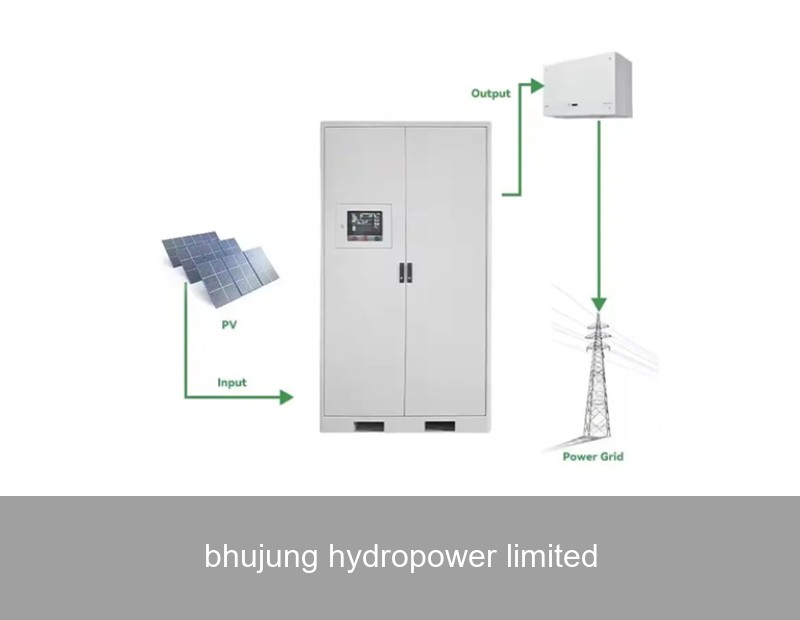
When we think of renewable energy, solar panels and wind turbines often steal the spotlight. But for decades, hydropower has been the silent, steadfast workhorse of clean electricity. Projects like Bhujung Hydropower Limited represent this legacy—providing crucial power to communities and grids. However, in today's rapidly evolving energy landscape, even proven technologies face new challenges. Seasonal variations, changing rainfall patterns, and the need to support modern grids demand innovation. The key question for operators like Bhujung Hydropower Limited is no longer just how to generate power, but how to optimize, store, and deliver it with maximum reliability and value. This is where the synergy between traditional hydropower and cutting-edge Battery Energy Storage Systems (BESS) is rewriting the rules of the game.
The Phenomenon: Hydropower's Intermittency & Grid Stress
It's a common misconception that hydropower is a constant, unwavering source of energy. In reality, its output can be highly variable. Run-of-river projects, in particular, are directly tied to river flow, which fluctuates with seasons, droughts, and heavy rains. This creates a dual challenge: during dry seasons, power generation can drop significantly, while during wet seasons, surplus water might not be fully utilized if grid demand is low. Furthermore, modern grids, increasingly fed by solar and wind, require faster-responding assets to balance sudden frequency dips or spikes. Traditional hydropower plants, while flexible compared to coal or nuclear, may not always be agile enough for sub-second grid responses or may be constrained by environmental release limits.

Image Source: Unsplash - Hydropower output is inherently linked to environmental conditions.
The Data: Quantifying the Need for Storage
The numbers paint a clear picture. According to the International Energy Agency (IEA), hydropower remains the largest source of renewable electricity globally, but its growth is slowing. To meet net-zero targets, the world needs to add nearly 50% more capacity by 2030. Crucially, the IEA emphasizes that the value of hydropower is "increasingly linked to the flexibility services it can provide to electricity systems." This shift from pure energy to flexibility services is paramount. A study by the U.S. Department of Energy's National Renewable Energy Laboratory (NREL) found that pairing hydropower with storage can increase its revenue potential by up to 65% in certain markets by allowing it to sell power during peak price periods and provide ancillary grid services.
Key Challenges for Modern Hydropower Operators:
- Revenue Loss: Inability to capture energy during high-water, low-demand periods.
- Grid Code Compliance: Meeting stringent new requirements for frequency regulation and voltage support.
- Infrastructure Stress: Frequent ramping up and down of turbines can increase mechanical wear and tear.
- Water Management: Balancing power generation with ecological and downstream water needs.
Case Study: Bhujung Hydropower Limited's Path to Stability
Let's consider a hypothetical but technically realistic scenario based on common operational profiles for a plant like Bhujung Hydropower Limited. Assume it's a mid-sized run-of-river facility with an installed capacity of 25 MW. Its historical data shows a 40% variance in output between wet and dry seasons. During monsoon months, it often has to spill water at night when grid demand is low, wasting potential energy. Conversely, during peak evening demand in the dry season, it struggles to meet its dispatch commitments, forcing the grid to rely on expensive and polluting diesel peaker plants.
The Solution Implemented: The operator decided to integrate a 5 MW / 20 MWh grid-scale Battery Energy Storage System (BESS) at the plant's substation. This system acts as an energy buffer.
| Operational Mode | Action | Result |
|---|---|---|
| Wet Season (Night) | Excess hydropower charges the BESS instead of being spilled. | Zero energy waste; stored "green" energy. |
| Dry Season (Evening Peak) | BESS discharges alongside reduced hydropower output. | Firm, reliable power meeting peak demand and contracts. |
| Grid Disturbance (Any Time) | BESS provides sub-second frequency response (FRR). | Enhanced grid stability and new revenue stream from grid services. |
Outcome: Within the first year of operation, this hybrid system reduced water spillage by an estimated 15%, increased overall plant revenue by ~22% through energy arbitrage and frequency regulation payments, and significantly improved the reliability of power supply to the local grid. This model demonstrates a scalable blueprint for similar hydropower facilities worldwide.
The Integrated Solution: Hybridizing Hydropower with Advanced BESS
The success of such a project hinges on more than just placing batteries next to a dam. It requires an intelligent, integrated system. This is where the expertise of a specialized energy storage provider becomes critical. The BESS must be seamlessly controlled in concert with the hydropower turbines, responding to both market signals and grid conditions in real-time. Advanced energy management systems (EMS) use sophisticated algorithms to decide the optimal split between direct generation, battery charging, and battery discharging every few seconds, maximizing economic and operational outcomes.

Image Source: Unsplash - Centralized control is vital for hybrid energy plants.
Core Components of a Successful Hydropower-BESS Hybrid:
- High-Efficiency, Long-Life Batteries: Typically lithium-ion phosphate (LFP) for safety and cycle life.
- Bi-Directional Power Conversion System (PCS): Manages the flow of energy between AC grid, hydro plant, and DC batteries.
- Plant-Wide Energy Management System (EMS): The "brain" that optimizes the entire asset.
- Grid Interconnection & Compliance Package: Ensures the hybrid plant meets all local grid codes.
Highjoule's Role: Enabling Smarter Hydropower Operations
At Highjoule, we understand the unique operational DNA of power generation assets like those managed by Bhujung Hydropower Limited. Since 2005, we have been pioneering intelligent storage solutions that turn challenges into opportunities. For hydropower operators, our GridSynergyTM BESS platform is designed for seamless integration.
Our approach starts with a deep analysis of your generation data, water flow patterns, and local market structures. We then engineer a tailored storage solution—whether containerized for quick deployment or integrated into existing switchyards. The Highjoule NeuralGrid EMS doesn't just control the batteries; it creates a unified control plane for your hydro turbines and storage, making them operate as a single, highly flexible virtual power plant (VPP). This allows you to:
- Firm Your Capacity: Deliver guaranteed power outputs, making your power purchase agreements (PPAs) more valuable and reliable.
- Diversify Revenue: Actively participate in energy trading, frequency regulation markets, and other ancillary services, as documented in markets like PJM Interconnection in the U.S. or National Grid in the UK.
- Reduce Operational Wear: Use the battery for fast, small adjustments, reducing the start-stop cycles on your turbines and extending their lifespan.
- Enhance Sustainability: Maximize the use of every drop of water for zero-carbon electricity, bolstering your ESG credentials.
The Future of Hydropower: Beyond Baseload
The integration of storage is transforming hydropower from a baseload-oriented generator into a dynamic, multi-service grid asset. This evolution is essential for the stability of future grids dominated by variable renewables. For forward-thinking operators, the question is no longer if to add storage, but when and how.
The journey of Bhujung Hydropower Limited, mirrored by real projects globally, points the way. By embracing hybrid systems, hydropower can secure its critical role in the 21st-century energy transition, ensuring it remains not just a relic of the past, but a cornerstone of a resilient, clean energy future.
Is your hydropower asset operating at its full potential, or is valuable energy and revenue slipping through the gates? What would a detailed feasibility study reveal about the hybrid potential of your plant?
 Inquiry
 Online Chat