


Bus Bar for Solar Batteries: The Unsung Hero of Your Energy Storage System
When you think about a solar battery, what comes to mind? Likely the advanced lithium-ion cells, the smart battery management system (BMS), or the sleek outer casing. But there's a critical, often overlooked component silently working inside: the bus bar for solar batteries. This humble piece of conductive metal is the central nervous system of your battery pack, responsible for efficiently collecting and distributing immense electrical currents. At Highjoule, with nearly two decades of experience in advanced energy storage, we've learned that true system reliability and efficiency are built on perfecting such fundamental components. Let's explore why the bus bar is pivotal for a high-performing, safe, and durable solar energy storage solution.
Why the Bus Bar Matters: More Than Just a Metal Strip
Imagine a bustling city during rush hour. If the main highways are narrow, poorly connected, or prone to bottlenecks, traffic grinds to a halt, engines overheat, and frustration builds. A bus bar for solar batteries serves as the multi-lane superhighway for electrons within your battery pack. It connects individual cells into modules and modules into a complete battery system, ensuring power flows smoothly from where it's stored to where it's needed in your home or business.
The consequences of a poorly designed bus bar are not mere inconveniences; they are serious technical failures:
- Increased Electrical Resistance: Inferior materials or connections create "speed bumps" for current, wasting energy as heat and reducing overall system efficiency.
- Hot Spots and Thermal Runaway Risk: Persistent heat buildup at a bad connection can degrade cells and, in extreme cases, initiate a dangerous thermal runaway event.
- Mechanical Stress & Failure: Batteries expand and contract with charge cycles. A rigid or poorly secured bus bar can crack or loosen over time, leading to arcing or complete system shutdown.

Image: A precision-engineered bus bar assembly is crucial for safe, high-current flow. (Source: Unsplash, representative image)
Bus Bars vs. Traditional Cables: A Clear-Cut Comparison
Why use a solid bus bar instead of a bundle of flexible cables? For high-current applications like modern solar batteries, bus bars offer distinct advantages.
| Feature | Bus Bar | Traditional Cable Harness |
|---|---|---|
| Current Density | Superior. Offers a more direct, lower-resistance path. | Lower. Stranded wires have less optimal packing and surface area. |
| Thermal Management | Excellent. Solid metal acts as a heat spreader, dissipating heat evenly. | Poor. Heat can be trapped within the wire bundle insulation. |
| Structural Integrity | High. Provides physical support and maintains cell alignment. | Low. Adds little structural support, can vibrate loose. |
| Manufacturing & Assembly | Precision-based, ideal for automated production, ensuring consistency. | Labor-intensive, higher potential for human error in termination. |
| Space Efficiency | Highly compact, allowing for denser, more space-efficient battery packs. | Bulky, requiring more room for routing and bending. |
The Direct Impact on Battery Performance & Safety
The design and material of the bus bar for solar batteries directly influence key metrics you care about: longevity, safety, and return on investment.
- System Efficiency (Round-Trip): Every milliohm of resistance in the bus bar translates to energy lost as heat. A high-quality, well-installed bus bar minimizes these losses, meaning more of the solar energy you capture is available for use, not wasted. This can impact overall system efficiency by a measurable percentage point, which compounds significantly over the system's 15+ year lifespan.
- Cycle Life and Degradation: Consistent, even current distribution prevents individual cells from being overworked. A bus bar that ensures balanced currents helps all cells age at the same rate, extending the useful life of the entire battery pack.
- Safety as a Foundation: At Highjoule, we view safety as non-negotiable. Our bus bars are designed with specific fusing characteristics and are integrated with our proprietary BMS. The BMS continuously monitors temperature at connection points, allowing it to detect anomalies that could indicate a loose bus bar connection long before it becomes a hazard. This multi-layered protection is a core tenet of our Highjoule Sentinel™ safety architecture.
Highjoule's Approach: Engineering Excellence in Every Connection
Since 2005, Highjoule has been at the forefront of intelligent storage solutions. Our philosophy is that reliability is engineered from the inside out. This is exemplified in our commercial and residential battery systems, such as the Highjoule H-Series.
For our H-Series batteries, we don't just specify a standard bus bar. We engineer a solution:
- Material Science: We use high-purity, laminated copper or aluminum with precise plating to minimize oxidation and ensure consistent, low-contact resistance for decades.
- Advanced Joining Technology: We employ laser welding and ultrasonic bonding where appropriate. These methods create a metallurgical bond stronger than the base materials themselves, virtually eliminating the risk of loose connections over time.
- Predictive Design: Using finite element analysis (FEA) software, we simulate electrical flow, thermal behavior, and mechanical stress under extreme conditions. This allows us to optimize the bus bar's shape, thickness, and mounting strategy before a single prototype is built, ensuring it performs flawlessly in the real world.
This meticulous attention to a single component reflects our holistic approach. It ensures that when you choose a Highjoule system for your home, business, or microgrid, you're investing in a product where every detail is optimized for performance, safety, and durability.
A Real-World Case: Enhancing a Commercial Solar-Plus-Storage Project
Let's look at a project that highlights the importance of robust internal architecture. In 2022, a distribution warehouse in Bavaria, Germany, sought to maximize self-consumption of its 500 kW rooftop solar array and provide backup power for its cold storage facilities. The initial storage proposal from another vendor faced challenges during commissioning: inconsistent module voltages and higher-than-expected standby losses.
The Highjoule Solution: Our team was brought in to upgrade the storage core. We deployed a 240 kWh Highjoule H-Series Commercial system. A key differentiator was our integrated, low-impedance bus bar design within each battery cabinet.
The Data-Driven Outcome: Post-installation monitoring over 12 months revealed:
- System Round-Trip Efficiency: Achieved a consistent 97.5% at the battery level, exceeding the project specification of 96%.
- Voltage Delta Between Modules: Remained below 0.5V under full load, indicating exceptional current balance facilitated by the bus bar network.
- Thermal Performance: Maximum internal temperature differential, a key indicator of connection health, was measured at just 3.2°C during a peak summer discharge cycle, well within the optimal range.
The warehouse manager noted not just the energy savings but also the peace of mind: "The system's monitoring dashboard shows remarkable consistency. We don't see unexplained dips or alarms, which tells us the underlying hardware is solid." This case underscores that what happens inside the battery cabinet is just as critical as the solar panels on the roof.
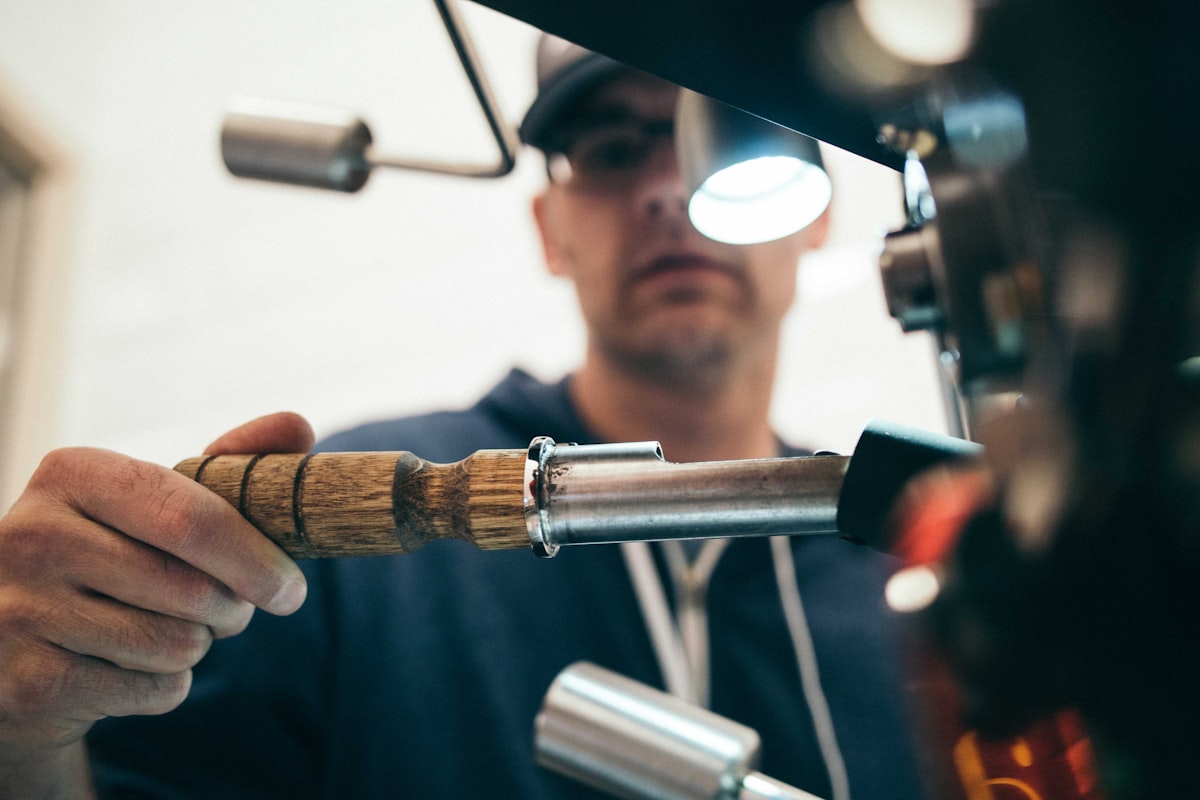
Image: Highjoule H-Series commercial battery systems provide reliable, efficient power for businesses. (Source: Unsplash, representative image)
Choosing the Right System: What to Look For
As a consumer or business owner, you can't inspect the bus bars inside a battery. However, you can choose a manufacturer that prioritizes such engineering details. Here are informed questions to ask your storage provider:
- How do you ensure low and stable internal resistance in your battery packs over time?
- What specific methods (e.g., welding, bonding) do you use for internal electrical connections, and why?
- Can you provide data on the round-trip efficiency and thermal consistency of your system under full load?
- How does your Battery Management System monitor the health of internal connections?
For further reading on battery fundamentals and safety standards, you can refer to authoritative resources like the U.S. Department of Energy's Solar Energy Technologies Office or the International Energy Agency's (IEA) reports on energy storage.
Beyond the Bar: Highjoule's Integrated Promise
Our commitment extends from the bus bar for solar batteries to the entire ecosystem. From our Residential Energy Hub that seamlessly integrates with your home solar, to our large-scale Microgrid Controllers that orchestrate multiple generation and storage sources, every product is built with the same principle: intelligent design at the component level creates unmatched reliability at the system level.
Given that the internal architecture of a battery is so critical to its long-term value and safety, what other "hidden" engineering details should potential buyers be curious about when evaluating their energy storage options?
 Inquiry
 Online Chat