


Calefaccion Solar Termica: Your Complete Guide to Efficient Solar Thermal Heating
Have you ever felt the warmth of the sun on a cold winter day and wondered if you could capture that heat to warm your home? That's precisely the elegant promise of calefacción solar térmica (solar thermal heating). Unlike photovoltaic panels that generate electricity, this technology directly captures the sun's thermal energy to provide space heating and domestic hot water, offering a remarkably efficient path to energy independence and lower bills. For homeowners and businesses across Europe and North America facing volatile energy prices, understanding this technology is the first step toward a more sustainable and cost-effective future. As a global leader in smart energy storage since 2005, Highjoule recognizes that integrating thermal efficiency with electrical storage creates the ultimate resilient energy ecosystem for residential, commercial, and industrial applications.
Table of Contents
- What is Solar Thermal Heating?
- How Does a Solar Thermal System Work?
- Types of Solar Thermal Systems
- Key Benefits and Practical Challenges
- A Real-World Case Study: Performance in a Temperate Climate
- The Future: Integrating Thermal Heating with Electrical Storage
- Is Solar Thermal Heating Right for Your Property?
What is Solar Thermal Heating? Beyond Solar Panels
When we say "solar," most people think of the sleek, blue photovoltaic (PV) modules on rooftops. Calefacción solar térmica is its powerful cousin, focusing purely on heat. The core principle is simple: a fluid (often a water-glycol mix) is circulated through dark-colored solar collectors, where it's heated by the sun. This hot fluid then transfers its captured heat to your home's water tank or directly into your space heating system, such as radiators or underfloor heating.
This method boasts exceptional efficiency, often converting 60-70% of captured solar radiation into usable heat, compared to PV panels which typically convert 15-22% into electricity. For applications where heat is the primary need—warming living spaces and providing hot water—solar thermal is a brilliantly direct solution.
How Does a Solar Thermal System Work? A Step-by-Step Breakdown
Let's demystify the technology. A typical active solar thermal heating system consists of a few key components working in harmony:
- Solar Collectors: Mounted on the roof, these are the system's "engine." Flat-plate or evacuated tube collectors absorb solar radiation.
- Heat Transfer Fluid: This special fluid circulates through the collectors, getting hotter as it goes.
- Heat Exchanger: The hot fluid passes through a coil inside your storage tank, transferring its heat to the domestic water without mixing.
- Storage Tank: An insulated cylinder that stores the heated water until you need it.
- Control System & Pump: The brain of the operation. It monitors temperatures and circulates the fluid only when the collectors are hotter than the tank, maximizing efficiency.

Source: Wikimedia Commons, Creative Commons
Types of Solar Thermal Systems: Choosing the Right Fit
Not all systems are created equal. The choice depends on your climate, heating needs, and budget.
| System Type | Best For | Key Advantage | Consideration |
|---|---|---|---|
| Evacuated Tube Collectors | Colder climates, limited roof space | Higher efficiency in low light & cold; excellent winter performance | Higher initial cost |
| Flat-Plate Collectors | Warmer climates, larger roof areas | Robust, lower cost per unit, proven technology | More susceptible to heat loss in very cold weather |
| Drainback Systems | Regions with freezing temperatures | Prevents freezing & overheating; low maintenance | Slightly more complex installation |
Key Benefits and Practical Challenges
The appeal of calefacción solar térmica is clear. It can reduce your reliance on fossil fuels for heating by 50-70%, according to the U.S. Department of Energy, leading to significant savings, especially as gas and oil prices fluctuate. It's a clean, renewable technology that lowers your carbon footprint directly.
However, we must address the challenges honestly. The sun isn't always shining, creating an intermittency issue. A conventional system relies on a backup boiler or electric heater for cloudy periods and high demand. Furthermore, the heat must often be used when it's generated, or it dissipates from the storage tank over time. This is where modern energy thinking creates a powerful synergy.
A Real-World Case Study: Performance in a Temperate Climate
Let's look at a real example from Germany, a leader in renewable adoption. A 2018 study monitored a solar thermal combi-system (providing both space heating and hot water) for a single-family home in Stuttgart over two years.
- System: 15 sq.m. of evacuated tube collectors + a 1,000-liter storage tank.
- Result: The system met approximately 60% of the total annual heating demand. Solar coverage was nearly 100% in summer months, dropping to around 25-30% in the deepest winter.
- Data Point: The household reduced its natural gas consumption by over 2,600 kWh per year, translating to a CO₂ reduction of about 0.5 tons annually and substantial cost savings. This data aligns with findings from the International Energy Agency (IEA) on solar thermal performance.
This case highlights both the potential and the limitation: outstanding seasonal performance, but still a need for a backup source during low-solar periods.
The Future: Integrating Thermal Heating with Electrical Storage
This is where the conversation gets truly exciting. Imagine your solar thermal system not working in isolation, but as part of an integrated, intelligent home energy system. This is the future Highjoule is building today.
While solar thermal handles your heat, a PV system can power your appliances and, crucially, charge a home battery storage system like the Highjoule HomePower. Here’s the synergy: during sunny days, your thermal system heats water, and your PV system generates excess electricity. Instead of sending it all to the grid, the Highjoule battery stores it. In the evening or on cloudy days, the stored electricity can power an efficient heat pump (which can also heat water) or your backup electric boiler, dramatically reducing your need to draw power from the grid.

Source: Unsplash
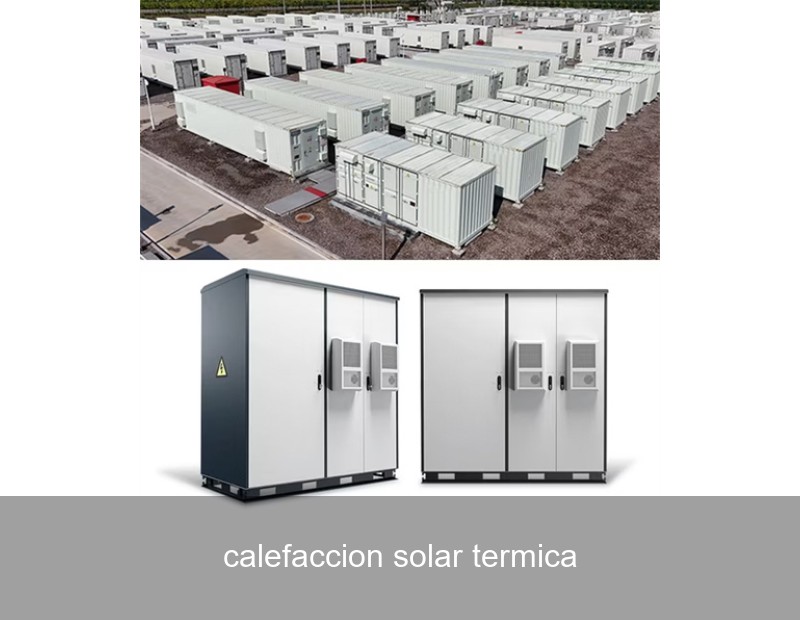
For larger commercial and industrial applications, Highjoule's scalable BESS (Battery Energy Storage Systems) can perform peak shaving, store cheap off-peak electricity, and ensure critical heating processes remain online. In a microgrid setting, combining solar thermal, PV, and large-scale battery storage creates a resilient, low-cost energy hub that manages both thermal and electrical loads intelligently.
Is Solar Thermal Heating Right for Your Property? Key Questions to Ask
So, how do you decide? Start by asking these questions:
- What is your primary heating fuel? If it's expensive oil, propane, or direct electric heating, the savings from solar thermal will be most dramatic.
- What is your roof's orientation and shading? A south-facing (in the Northern Hemisphere) roof with minimal shading is ideal.
- Do you have space for a new storage tank? Integrating a solar thermal cylinder is often necessary.
- Are you planning a holistic energy upgrade? The highest return on investment often comes from combining thermal solar with PV, a heat pump, and a smart battery system like those from Highjoule, which can be optimized through our energy management software.
Your Next Step Towards a Thermal-Electric Synergy
The journey to energy independence isn't about a single technology. It's about creating a system where different technologies—calefacción solar térmica for heat, photovoltaics for power, and intelligent battery storage for balance—work seamlessly together. Highjoule's expertise lies in that critical piece of the puzzle: storing and intelligently managing electricity to complement your thermal investments, ensuring you have reliable, sustainable power and heat, 24/7.
What specific energy challenge—whether it's unpredictable heating bills, a desire for energy resilience, or planning a new construction project—are you hoping to solve by exploring solar thermal technology?
 Inquiry
 Online Chat